


Diego, un urbanista venezolano, y Elena, una bailarina contemporánea de Barcelona, se trasladan a Estados Unidos con sus visas aprobadas para comenzar una nueva vida. Su intención es impulsar sus carreras profesionales y formar una familia en “la tierra de las oportunidades”. Pero al entrar en la zona de inmigración del aeropuerto de Nueva York, son conducidos a la sala de inspección secundaria, donde los agentes fronterizos los someterán a un desagradable proceso de inspección y a un interrogatorio psicológicamente agotador.
Reparto

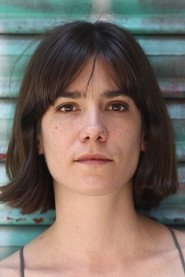
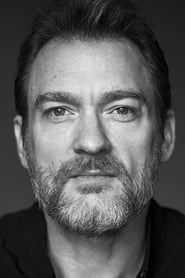



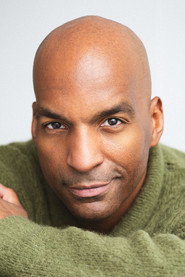
Dónde ver
Suscripción
 Netflix
 Netflix Standard with Ads
Ficha técnica
- Idiomas
- Català, Español, English
- Países
- Spain
- Productoras
- Zabriskie Films| Sygnatia
Críticas
(CASTELLANO) Lo que más me gustó fue la incomodidad que provoca con casi nada. No necesita persecuciones, golpes de efecto ni grandes revelaciones para ponerte nervioso. Le basta una sala fría, unos fluorescentes, dos personas cansadas después de un vuelo y unos funcionarios que empiezan preguntando cosas aparentemente normales hasta convertir cada respuesta en una trampa. Es una película pequeña, seca y muy bien medida, pero durante buena parte del metraje se siente como una pesadilla administrativa de la que nadie sabe cómo salir. La situación es sencilla y por eso funciona tanto. Una pareja llega a Estados Unidos con la ilusión de empezar una nueva vida y, de pronto, todo queda suspendido por una entrevista fronteriza. Ese lugar, que debería ser un trámite, se convierte en un espacio de sospecha absoluta. El pasaporte, la maleta, la relación, el trabajo, el pasado, el dinero, las contradicciones mínimas: todo puede usarse contra ellos. Me pareció muy potente porque convierte algo reconocible, el miedo a que una autoridad decida sobre ti, en un thriller psicológico puro. La película entiende muy bien el poder de la burocracia cuando deja de ser neutral. Los agentes no necesitan gritar ni comportarse como villanos evidentes. Su fuerza está precisamente en la calma, en el tono amable que de pronto se vuelve amenazante, en esa capacidad de repetir una pregunta hasta que cualquier persona parecería culpable. Hay una violencia sin golpes, una violencia hecha de papeles, preguntas, silencios, esperas y miradas. Y eso incomoda muchísimo, porque uno siente que no importa lo que digan los protagonistas: siempre puede interpretarse mal. También me gustó que la tensión no salga solo del control institucional, sino de la pareja. Al principio parecen unidos por un proyecto común, por la ilusión de llegar a otro país y empezar de nuevo. Pero la presión empieza a abrir grietas. Lo que no se había dicho, lo que se había maquillado, lo que cada uno suponía del otro, empieza a salir en el peor lugar posible. La entrevista funciona como una autopsia emocional. No solo examinan sus documentos; examinan su confianza. Y eso es lo que hace que la película sea algo más que una denuncia sobre fronteras. Bruna Cusí y Alberto Ammann están muy bien. Ella transmite cansancio, rabia contenida, miedo y una dignidad que se va quebrando sin volverse nunca melodramática. Él tiene una mezcla de seguridad, ansiedad y fragilidad que funciona muy bien cuando el personaje empieza a perder el control de la situación. Lo mejor es que ambos parecen personas normales, no héroes de thriller. Se equivocan, se contradicen, dudan, intentan protegerse y también proteger la relación. Esa verdad hace que la incomodidad sea mayor, porque podrían ser cualquiera. La puesta en escena es muy inteligente. Casi todo ocurre en espacios cerrados, sin adornos, y aun así la película no se siente pobre. Al contrario, esa limitación es su fuerza. Cada corte, cada pausa, cada cambio de mirada parece calculado para apretar un poco más. La duración también ayuda: no se alarga, no se dispersa, no necesita subtramas innecesarias. Va directa al centro de la situación y exprime la angustia hasta donde puede. Tiene algo de obra de teatro, sí, pero sin perder lenguaje cinematográfico. Me parece especialmente acertada la forma en que juega con la información. Como espectadores vamos dudando, no porque la película busque un gran misterio tramposo, sino porque el interrogatorio nos coloca en una posición incómoda. Queremos creer a los protagonistas, pero también empezamos a detectar pequeñas zonas oscuras. Y esa es la crueldad del sistema: consigue que uno mire a las personas como expedientes sospechosos. La película no solo muestra la desconfianza; nos obliga a participar en ella. El retrato de la frontera es muy duro porque no se basa en lo espectacular, sino en la arbitrariedad. Nadie necesita hacer nada claramente ilegal para sentirse atrapado. Basta con estar en el lugar equivocado, tener el acento equivocado, la historia equivocada, el nerviosismo equivocado o una respuesta que no encaje del todo. Esa sensación de indefensión es lo que más se queda. El aeropuerto, que tantas veces aparece en el cine como lugar de tránsito o de aventura, aquí se convierte en un limbo donde la vida de una persona puede quedarse bloqueada por una sospecha. Al final, me parece una película notable, pequeña pero de enorme precisión. No inventa el thriller de espacios cerrados, pero lo usa con inteligencia, tensión y humanidad. Me tuvo incómodo, pendiente, irritado con la situación y atento a cada mínimo cambio en la relación entre ellos. Su mayor logro es convertir un trámite fronterizo en una experiencia casi física: sudor, duda, miedo, rabia, agotamiento. Una película breve, intensa y asfixiante que demuestra que a veces el terror no está en una amenaza visible, sino en una mesa, una silla, una pregunta repetida y alguien con poder para decidir si entras o no. (ENGLISH) What I liked most was the discomfort it creates with almost nothing. It does not need chases, shocks or big revelations to make you nervous. A cold room, fluorescent lights, two people tired after a flight and officials who begin by asking apparently normal questions until every answer becomes a trap are enough. It is a small, dry and very carefully measured film, but for much of its running time it feels like an administrative nightmare nobody knows how to escape. The situation is simple, and that is why it works so well. A couple arrives in the United States with the hope of starting a new life, and suddenly everything is suspended by a border interview. That place, which should be a procedure, becomes a space of absolute suspicion. The passport, the suitcase, the relationship, the job, the past, the money, the smallest contradictions: everything can be used against them. I found it powerful because it turns something recognizable, the fear that an authority may decide over you, into pure psychological thriller. The film understands very well the power of bureaucracy when it stops being neutral. The agents do not need to shout or behave like obvious villains. Their strength lies precisely in calmness, in the polite tone that suddenly becomes threatening, in the ability to repeat a question until anyone would seem guilty. There is violence without blows, a violence made of papers, questions, silences, waiting and looks. And that is deeply uncomfortable, because you feel that no matter what the protagonists say, it can always be interpreted badly. I also liked that the tension does not come only from institutional control, but from the couple. At first they seem united by a shared project, by the excitement of reaching another country and starting again. But pressure begins to open cracks. What had not been said, what had been softened, what each assumed about the other, starts to emerge in the worst possible place. The interview works as an emotional autopsy. They do not only examine their documents; they examine their trust. And that is what makes the film more than a denunciation of borders. Bruna Cusí and Alberto Ammann are very good. She conveys exhaustion, contained anger, fear and a dignity that gradually cracks without ever becoming melodramatic. He has a mixture of confidence, anxiety and fragility that works very well when the character begins to lose control of the situation. The best thing is that both seem like normal people, not thriller heroes. They make mistakes, contradict themselves, doubt, try to protect themselves and also protect the relationship. That truth makes the discomfort greater, because they could be anyone. The staging is very intelligent. Almost everything happens in closed, bare spaces, and yet the film never feels poor. On the contrary, that limitation is its strength. Every cut, every pause, every shift of the eyes seems designed to tighten things a little more. The running time also helps: it does not drag on, it does not wander, it does not need unnecessary subplots. It goes straight to the center of the situation and squeezes the anguish as far as it can. It has something theatrical, yes, but without losing cinematic language. I find especially accurate the way it plays with information. As viewers we start to doubt, not because the film is looking for a cheating mystery, but because the interrogation places us in an uncomfortable position. We want to believe the protagonists, but we also begin to detect small dark areas. And that is the cruelty of the system: it makes us look at people as suspicious files. The film does not only show distrust; it forces us to take part in it. The portrait of the border is harsh because it is not based on spectacle, but on arbitrariness. Nobody needs to do anything clearly illegal to feel trapped. It is enough to be in the wrong place, have the wrong accent, the wrong story, the wrong nervousness or an answer that does not quite fit. That feeling of helplessness is what remains. The airport, so often shown in cinema as a place of transit or adventure, becomes here a limbo where a person’s life can be blocked by suspicion. In the end, it seems to me a very notable film, one of those that look small but work with enormous precision. It does not invent the closed-space thriller, but it uses it with intelligence, tension and humanity. It kept me uncomfortable, alert, irritated by the situation and attentive to every minimal change in their relationship. Its greatest achievement is turning a border procedure into an almost physical experience: sweat, doubt, fear, rage, exhaustion. A brief, intense and suffocating film that proves that sometimes terror is not in a visible threat, but in a table, a chair, a repeated question and someone with the power to decide whether you enter or not.
Recomendadas

La casa en la calle Carroll
1988 · Película

El Hombre de la Cueva
2001 · Película

Agentes 355
2022 · Película

Peppermint frappé
1967 · Película

Bajo Cero: Milagro en la montaña
2017 · Película
El beso del asesino
1955 · Película
Recuerdos secretos
2015 · Película

Madre
2019 · Película

Sky
2016 · Película

2073
2024 · Película

El rapto
2023 · Película

TalhotBlond
2012 · Película

La fuerza del valor
2003 · Película

Vidas en pedazos
2019 · Película
Similares

Asteroid
2021 · Película

Rompis: Tentang Sahabat
2021 · Película

Anjaan
1956 · Película

ميلوديا المورفين
2020 · Película
炎のごとく
1981 · Película

Palace Beach Hotel
2014 · Película

Unga Sophie Bell
2015 · Película

息を殺して
2014 · Película

Il Trovatore
2002 · Película
Das Tier
1993 · Película
Kal Napoleon Kalssons bondtur
1915 · Película

Love on the Run
1985 · Película
För hem och härd
1917 · Película

파스카
2015 · Película