


Un cuarentón viudo, a propuesta de un amigo, convoca un casting para una inexistente película con la intención de encontrar una nueva esposa.
Reparto



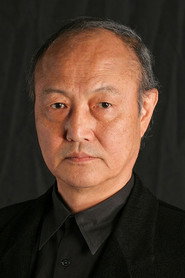



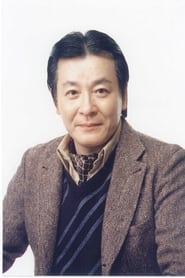

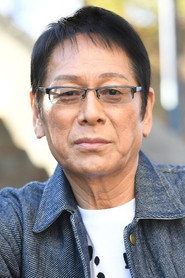
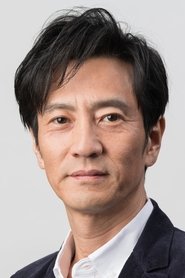

Dónde ver
Suscripción
 Filmin
 Shadowz Amazon Channel
Ficha técnica
- Título original
- オーディション
- Idiomas
- 日本語
- Países
- Japan
- Productoras
- Basara Pictures| Creators Company Connection| Omega Project
- Presupuesto
- USD 250,000
- Recaudación
- USD 359,853
Cifras en dólares, según TMDb.
Críticas
(CASTELLANO) Entiendo perfectamente por qué tiene fama. Entiendo que en su momento pudiera sentirse como una bomba dentro del terror japonés y que mucha gente la recuerde por su tramo final. Pero mi experiencia fue distinta. Mientras la veía, pensaba que quizá llegaba demasiado tarde a una película explicada, citada y mitificada hasta tal punto que el golpe ya no podía entrarme con la fuerza esperada. No me pareció una tontería, ni mucho menos, pero tampoco esa obra maestra incontestable de la que tantas veces se habla. Lo más interesante es su juego de falsa normalidad. Durante buena parte del metraje parece casi un drama triste sobre la soledad, el deseo de rehacer la vida y la forma bastante discutible en que un viudo intenta encontrar pareja. La idea de organizar una especie de casting sentimental ya tiene algo enfermo antes de que aparezca el horror explícito. La película coloca al protagonista en una posición cómoda, casi amable, pero debajo hay una mirada masculina turbia: elegir, observar, descartar, convertir a las mujeres en candidatas y confundir compañía con posesión. Ahí hay una incomodidad real. El problema es que esa primera parte, que muchos valoran como paciencia y construcción, a mí se me hizo demasiado fría. Comprendo que la lentitud sea parte del mecanismo, que la película quiera dormirte un poco para después romperte el suelo bajo los pies, pero no siempre sentí tensión acumulada. Hubo momentos en los que me parecía más una espera que una amenaza. La soledad del protagonista, su relación con el hijo y la búsqueda de pareja tienen interés, sí, pero no me atraparon con la densidad emocional que habría necesitado. Cuando entra Asami, todo mejora. Hay algo en su quietud, en su fragilidad aparente y en esa manera de estar casi suspendida que sí resulta inquietante. No necesita grandes gestos para que uno intuya que algo no está bien. La actriz transmite una mezcla de dulzura, vacío y peligro que es probablemente lo mejor de la película. Su presencia introduce una grieta en el tono, como si la historia romántica se contaminara poco a poco con una pesadilla que estaba esperando desde el principio. Ahí sí reconozco el talento de Miike para hacer que lo cotidiano empiece a parecer venenoso. También me interesa que el horror no aparezca de repente de la nada, sino como una respuesta deformada a una cadena de daños, deseos, mentiras y expectativas. No es solo una mujer monstruosa ni un hombre inocente atrapado por azar. La película es más incómoda que eso. Hay abuso, fantasía masculina, vulnerabilidad, resentimiento y una violencia que parece nacer de zonas muy dañadas. Esa complejidad explica parte de su prestigio. No es un simple festival de sangre; intenta hacer que el espectador dude sobre desde dónde está mirando. Pero, aun aceptando todo eso, no terminé de conectar. El famoso tramo final me pareció fuerte, claro, pero quizá menos impactante de lo que esperaba después de tanta leyenda. Es desagradable, tiene imágenes difíciles de olvidar y una crueldad muy concreta, casi quirúrgica, pero no me revolvió tanto como suponía. Tal vez porque ya sabía que algo brutal iba a llegar. Tal vez porque la fama de la película ha convertido su sorpresa en una cita obligatoria. O tal vez porque necesito algo más que un cambio de tono y una escena extrema para sentirme conquistado. Visualmente tiene momentos potentes, sobre todo cuando abandona la superficie realista y entra en zonas más febriles, confusas y casi alucinadas. Ahí aparece una película más extraña, más libre y más perturbadora. Pero también me resultó irregular. Algunas elipsis y rupturas de lógica tienen fuerza de pesadilla; otras me dejaron fuera. Esa mezcla entre drama, sátira amarga, terror psicológico y explosión grotesca es audaz, sin duda, pero no siempre me pareció plenamente satisfactoria. Creo que mi distancia tiene mucho que ver con las expectativas. Si la hubiera visto sin saber nada, quizá el impacto habría sido mayor. Viéndola después de años de culto, elogios enormes y frases como “obra maestra del terror”, me encontré con una película interesante, atrevida y con personalidad, pero también lenta, algo fría y menos emocionalmente demoledora de lo prometido. Valoro su importancia, su influencia y su capacidad para esconder una película dentro de otra. Pero una cosa es reconocer lo que representa y otra muy distinta es sentir que me ha atravesado. Al final, me quedo en un punto intermedio. Respeto la película más de lo que la disfruto. Entiendo su fama, pero no la comparto del todo. Me parece inteligente en su construcción, inquietante en su mirada sobre el deseo masculino y eficaz en algunos momentos de horror físico y psicológico. Pero también me dejó esperando una sacudida mayor, una emoción más profunda o una perturbación que no dependiera tanto de su reputación. Para mí es una obra de culto importante, sí, pero no una experiencia redonda. Admirable a ratos, incómoda en otros, y bastante menos impactante de lo que esperaba. (ENGLISH) I understand perfectly why it is famous. I understand that at the time it could feel like a bomb inside Japanese horror and that many people remember it for its final stretch. But my experience was different. While watching it, I kept thinking that perhaps I had arrived too late to a film explained, quoted and mythologized so much that the blow could no longer hit me with the force I expected. I did not think it was silly, far from it, but neither did I see the unquestionable masterpiece so often described. What I find most interesting is its game of false normality. For much of the running time it almost seems like a sad drama about loneliness, the desire to rebuild a life and the rather questionable way in which a widower tries to find a partner. The idea of organizing a kind of sentimental casting is already sick before explicit horror appears. The film places the protagonist in a comfortable, almost kind position, but underneath there is a murky male gaze: choosing, observing, discarding, turning women into candidates and confusing companionship with possession. There is real discomfort there. The problem is that this first part, which many value as patience and construction, felt too cold to me. I understand that slowness is part of the mechanism, that the film wants to make you drowsy before pulling the floor from under your feet, but I did not always feel tension building. There were moments when it felt more like waiting than threat. The protagonist’s loneliness and his search for a partner are interesting, yes, but they did not grip me with the emotional density I would have needed. When Asami enters, everything improves. There is something in her stillness, in her apparent fragility and in that way of seeming almost suspended that is truly unsettling. She does not need big gestures for you to sense that something is not right. The actress conveys a mixture of sweetness, emptiness and danger that is probably the best thing in the film. Her presence introduces a crack in the tone, as if the romantic story were slowly being contaminated by a nightmare that had been waiting from the beginning. There I do recognize Miike’s talent for making the everyday start to feel poisonous. I am also interested in the way horror does not suddenly appear out of nowhere, but as a distorted response to a chain of damage, desires, lies and expectations. The film is more uncomfortable than that. There is abuse, male fantasy, vulnerability, resentment and a violence that seems born from very damaged places. That complexity explains part of its prestige. It is not a simple blood festival; it tries to make the viewer doubt the place from which they are watching. But even accepting all that, I never fully connected. The famous final stretch struck me as strong, of course, but perhaps less shocking than I expected after so much legend. It is unpleasant, it has images that are hard to forget and a very specific, almost surgical cruelty, but it did not unsettle me as much as I assumed it would. Maybe because I already knew something brutal was going to arrive. Maybe because the film’s reputation has turned its surprise into a compulsory appointment. Or maybe because I need more than a change of tone and an extreme scene to feel truly conquered. Visually, it has powerful moments, especially when it leaves the realistic surface and enters more feverish, confused and almost hallucinated areas. That is where a stranger, freer and more disturbing film appears. But I also found it uneven. Some ellipses and breaks in logic have the force of a nightmare; others pushed me out. That mixture of drama, bitter satire, psychological horror and grotesque explosion is certainly bold, but it did not always feel fully satisfying. I think my distance has a lot to do with expectations. If I had seen it knowing nothing, perhaps the impact would have been greater. Watching it after years of cult status, enormous praise and labels like “horror masterpiece”, I found an interesting, daring and personal film, but also a slow, somewhat cold one and less emotionally devastating than promised. I value its importance, its influence and its ability to hide one film inside another. But one thing is recognizing what it represents and another is feeling that it has gone through you. In the end, I remain somewhere in the middle. I respect the film more than I enjoy it. I understand its fame, but I do not fully share it. I find it intelligent in its construction, unsettling in its view of male desire and effective in some moments of physical and psychological horror. But it also left me waiting for a greater shake, a deeper emotion or a disturbance that did not depend so much on its reputation. For me it is an important cult film, yes, but not a complete experience. Admirable at times, uncomfortable at others, and much less impactful than I expected.
Recomendadas

La Mujer
2011 · Película

Imprint
2006 · Película

Anticristo
2009 · Película

Caged
2021 · Película

Jigsaw: El Juego Continúa
2017 · Película

Los renegados del diablo
2005 · Película

La venganza de la casa del Lago
2009 · Película

The Eyes of My Mother
2016 · Película

Invocación
2025 · Película

Finge Estar Muerta
2025 · Película

El juego del miedo 7
2010 · Película
Swallow
2020 · Película

El juego del miedo
2004 · Película

Huesera
2023 · Película
Similares

This House That Bears No Fruit
2026 · Película

The Burning Moon
1992 · Película

東京タワー オカンとボクと、時々、オトン
2007 · Película

The Witches
1966 · Película

Don't Answer the Phone!
1980 · Película

The Beast Within
1982 · Película

Loon
2017 · Película

Charlie's Farm
2014 · Película

A merced del odio
1965 · Película

Turkey Shoot
1982 · Película

Chaos
2005 · Película

Eggs
1995 · Película

僕の初恋をキミに捧ぐ
2009 · Película

Herostratus
1967 · Película