


Película · 2001
Conspiración
Dirección: Frank Pierson
El 20 de enero de 1942, líderes del partido nazi y oficiales del gobierno alemán mantuvieron una reunión secreta en las afueras de Berlín para planificar la llamada "solución final", es decir el exterminio de los judíos. Esta película es una recreación histórica de la Conferencia de Wannsee, presidida por Reinhard Heydrich, general de las S.S. y máximo responsable de la seguridad del Tercer Reich.
Reparto

Kenneth Branagh
Reinhard Heydrich

Stanley Tucci
Adolf Eichmann
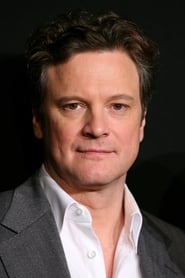
Colin Firth
Dr. Wilhelm Stuckart
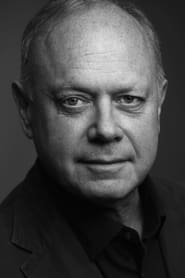
Jonathan Coy
Erich Neumann

Brendan Coyle
Heinrich Müller

Ben Daniels
Josef Bühler

Barnaby Kay
Rudolf Lange

Kevin McNally
Martin Luther

Ian McNeice
Gerhard Klopfer

Brian Pettifer
Alfred Meyer

Ewan Stewart
Georg Leibbrandt

Peter Sullivan
Karl Eberhard Schöngarth

Owen Teale
Roland Freisler

David Threlfall
Friedrich Wilhelm Kritzinger
Dónde ver
Suscripción
 Movistar Plus+ Ficción Total
 HBO Max
 HBO Max Amazon Channel
Ficha técnica
- Título original
- Conspiracy
- Idiomas
- English
- Países
- United Kingdom, United States of America
- Productoras
- HBO Films| BBC Film
Críticas
(CASTELLANO) Una reunión educada para organizar el horror Me pareció una película muy buena, seca, incómoda y necesaria. No necesita campos, disparos ni imágenes explícitas de exterminio para resultar escalofriante. Su fuerza está precisamente en lo contrario: un grupo de hombres bien vestidos, sentados en una mansión, comiendo, fumando y hablando con total normalidad de cómo organizar el asesinato de millones de personas. Eso es lo que más impresiona. No hay monstruos con cara de monstruo. Hay burócratas, militares, juristas, funcionarios y cargos del régimen discutiendo competencias, cifras, plazos, métodos y jurisdicciones. La película entiende muy bien que el mal absoluto también puede hablar en tono administrativo, con buenos modales y copas de vino sobre la mesa. La idea de la banalidad del mal atraviesa todo. Nadie parece estar viviendo un momento histórico de horror, sino una reunión de trabajo. Unos ponen objeciones legales, otros económicas, otros de procedimiento, pero casi nadie discute lo esencial desde la humanidad. El exterminio no aparece como una explosión de odio descontrolado, sino como una política pública convertida en expediente. Por eso los eufemismos son tan terribles. "Evacuación", "tratamiento", "solución", "reubicación"... palabras limpias para tapar cuerpos, cámaras de gas, fusilamientos y muerte industrial. La película da miedo porque muestra cómo el lenguaje puede servir para anestesiar la conciencia. Si cambias las palabras, parece que cambias la realidad, aunque lo que haya detrás sea una matanza. Kenneth Branagh está magnífico como Heydrich. Lo interpreta con una mezcla de encanto, frialdad, amenaza y superioridad que resulta muy inquietante. No necesita gritar todo el tiempo. Controla la reunión como quien dirige una orquesta venenosa: sonríe, halaga, corrige, humilla y deja claro que la decisión ya está tomada aunque todos finjan estar deliberando. Stanley Tucci también funciona muy bien como Eichmann, más contenido y administrativo, casi gris. Precisamente esa falta de grandeza lo hace perturbador. No parece un demonio teatral, sino un técnico de la muerte, alguien que convierte el horror en logística. Y Colin Firth aporta una tensión interesante porque sus resistencias no nacen necesariamente de la compasión, sino de la ley, la forma, el orden y las competencias. La película tiene algo de teatro filmado, claro. Casi todo ocurre en una sala, con personajes hablando durante hora y media. Pero eso no me molestó. Al contrario: esa concentración le da fuerza. No hay escapatoria visual, no hay distracciones. Estamos encerrados con ellos mientras el horror se vuelve acta, minuta y acuerdo. También me gustó que no convierta la reunión en una discusión democrática real. La apariencia de debate es una farsa. Heydrich ha llegado para imponer, no para escuchar. Los demás pueden matizar, protestar un poco o defender su parcela de poder, pero la maquinaria ya está en marcha. Esa sensación de destino administrativo resulta terrorífica. La película me parece especialmente valiosa porque obliga a mirar el nazismo no solo como fanatismo ideológico, sino como sistema. Para que ocurra una barbaridad así no basta con un líder criminal; hacen falta oficinas, trenes, leyes, sellos, listas, contables, abogados, policías y gente dispuesta a obedecer o a mirar hacia otro lado. Ahí está su verdadero golpe. Puede que no sea una película para todo el mundo. Quien espere acción bélica, suspense convencional o grandes giros puede aburrirse. Es densa, verbal y muy de mesa de reuniones. Pero si te interesa la historia, el poder, la burocracia y la forma en que una sociedad puede convertir el crimen en procedimiento, engancha muchísimo. Lo que más me dejó fue esa sensación nauseabunda de normalidad. Comen, beben, bromean, se irritan por detalles menores y escuchan música mientras hablan de millones de vidas como si fueran un problema de transporte o almacenamiento. Esa distancia entre el ambiente civilizado y lo que están decidiendo es lo que hace la película tan potente. No me parece perfecta como cine, porque su condición televisiva y teatral se nota, y algunos personajes secundarios quedan más funcionales que profundos. Pero tampoco creo que necesitara florituras. En una historia así, un director demasiado empeñado en lucirse habría molestado. La sobriedad ayuda a que lo importante sea lo que se dice y lo que esas palabras esconden. Al final, me queda como una obra imprescindible sobre el horror burocrático. No es espectacular, pero sí profundamente inquietante. Enseña que la barbarie no siempre llega gritando; a veces entra con carpeta, uniforme, cigarro y buenos modales. Y eso, visto así, da más miedo que cualquier escena de violencia explícita. (ENGLISH) A polite meeting to organize horror I found it a very good, dry, uncomfortable and necessary film. It does not need camps, gunfire or explicit images of extermination to be chilling. Its strength lies precisely in the opposite: a group of well-dressed men, sitting in a mansion, eating, smoking and calmly discussing how to organize the murder of millions of people. That is what impresses most. There are no monsters with monster faces. There are bureaucrats, soldiers, lawyers, officials and regime representatives discussing powers, figures, deadlines, methods and jurisdictions. The film understands very well that absolute evil can also speak in an administrative tone, with good manners and glasses of wine on the table. The idea of the banality of evil runs through everything. Nobody seems to be experiencing a historic moment of horror, but rather a work meeting. Some raise legal objections, others economic ones, others procedural ones, but almost nobody questions the essential matter from a place of humanity. Extermination appears not as an explosion of uncontrolled hatred, but as public policy turned into a file. That is why the euphemisms are so terrible. "Evacuation", "treatment", "solution", "relocation"... clean words to cover bodies, gas chambers, shootings and industrial death. The film is frightening because it shows how language can anesthetize conscience. If you change the words, it seems as if you change reality, even when what lies behind them is slaughter. Kenneth Branagh is magnificent as Heydrich. He plays him with a mixture of charm, coldness, threat and superiority that is deeply unsettling. He does not need to shout all the time. He controls the meeting like someone conducting a poisonous orchestra: he smiles, flatters, corrects, humiliates and makes clear that the decision has already been made even though everyone pretends to deliberate. Stanley Tucci also works very well as Eichmann, more contained and administrative, almost grey. Precisely that lack of grandeur makes him disturbing. He does not seem like a theatrical demon, but like a technician of death, someone who turns horror into logistics. And Colin Firth brings an interesting tension because his resistance does not necessarily come from compassion, but from law, form, order and jurisdiction. The film does have something of filmed theatre, of course. Almost everything happens in a room, with characters talking for an hour and a half. But that did not bother me. On the contrary: that concentration gives it strength. There is no visual escape, no distraction. We are locked in with them while horror becomes minutes, agenda and agreement. I also liked that it does not turn the meeting into a real democratic discussion. The appearance of debate is a lie. Heydrich has come to impose, not to listen. The others may qualify, protest a little or defend their own area of power, but the machinery is already moving. That feeling of administrative destiny is terrifying. The film seems especially valuable to me because it forces us to look at Nazism not only as ideological fanaticism, but as a system. For such barbarity to happen, a criminal leader is not enough; you need offices, trains, laws, stamps, lists, accountants, lawyers, policemen and people willing to obey or look the other way. That is its real blow. It may not be a film for everyone. Anyone expecting war action, conventional suspense or big twists may get bored. It is dense, verbal and very much a meeting-room film. But if you are interested in history, power, bureaucracy and the way a society can turn crime into procedure, it is gripping. What stayed with me most was that nauseating sense of normality. They eat, drink, joke, get irritated by minor details and listen to music while discussing millions of lives as if they were a transport or storage problem. That distance between the civilized atmosphere and what they are deciding is what makes the film so powerful. I do not think it is perfect as cinema, because its television and theatrical nature shows, and some supporting characters remain more functional than deep. But I also do not think it needed flourishes. In a story like this, a director too eager to show off would have got in the way. The sobriety helps make what matters be what is said and what those words hide. In the end, for me it remains an essential work about bureaucratic horror. It is not spectacular, but it is deeply unsettling. It shows that barbarism does not always arrive screaming; sometimes it enters with a folder, a uniform, a cigarette and good manners. And seen that way, it is more frightening than any scene of explicit violence.
Recomendadas
La resistencia invisible
2025 · Película
The Courageous Heart of Irena Sendler
2009 · Película

La Lista de Schindler
1993 · Película

Nuremberg: El Juicio Del Siglo
2025 · Película
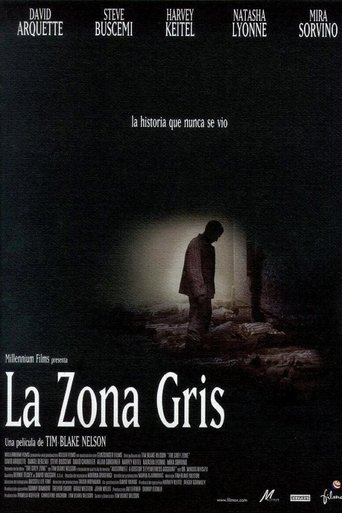
The Grey Zone
2001 · Película
Adam Resurrected
2008 · Película

Escape de Sobibor
1987 · Película

Operación Final
2018 · Película
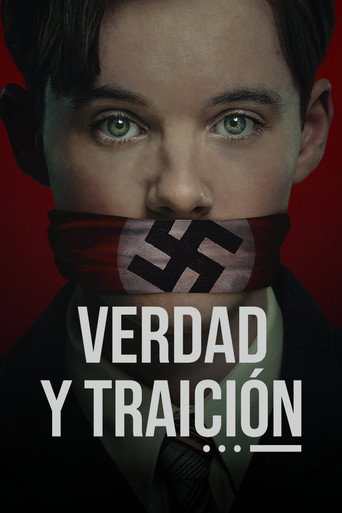
Verdad y traición
2025 · Película

Bastardos sin gloria
2009 · Película

Fatherland
1994 · Película
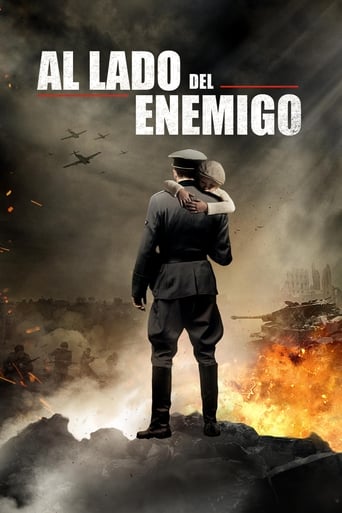
Al lado del enemigo
2014 · Película

Lee Miller: Retratos de Guerra
2024 · Película

Wakolda
2013 · Película
Similares

ロッカーズ
2003 · Película

Karimlan
2026 · Película

Ned Kelly
1970 · Película

Countess Dracula
1971 · Película

Limonov: The Ballad
2024 · Película
알파고
— · Película
The Witness
1992 · Película

Kenneth Williams: Fantabulosa!
2006 · Película

Unga Sophie Bell
2015 · Película

True Blue
1996 · Película

Récit de l'enfer d'Auschwitz : « Maus » d'Art Spiegelman
2024 · Película

Hasta el último hombre
1951 · Película

Delta de Venus
1995 · Película
لخضر بن خلوف
— · Película