


En busca de un nuevo comienzo después de un aborto espontáneo, una pareja recibe el regalo de la casa de sus sueños con una advertencia: nunca pueden abrir la puerta del sótano.
Reparto

Jordana Brewster
Sera

Scott Speedman
John

Laurence Fishburne
Emmett

Addison Timlin
Alyssa

Chris Conner
Paul MacManus

Randy Schulman
Steven

Katie O’Grady
Kathryn Conrad

Zach Feiner
Zach

Jenny Lam Tien
John's Coworker

Jesaar Landavaso
Happy Client (as Jesse-Aaron Landavaso)

Kiah Butts
Kiah - Executive Secretary
Kyle Stoltz
Executive - HR Dept.
Susannah Mars
Jeannie

Matthew Sunderland
Male Party Guest
Dónde ver
Suscripción
 Amazon Prime Video
 Amazon Prime Video with Ads
Alquiler
 Rakuten TV
 Amazon Video
Compra
Rakuten TVAmazon VideoFicha técnica
- Título original
- Cellar Door
- Idiomas
- Magyar, English
- Países
- United States of America
- Productoras
- Culmination Productions| Practical Pictures| Cosmic Arena Productions
Críticas
(CASTELLANO) Una casa demasiado perfecta, una condición demasiado sencilla y una curiosidad que empieza a contaminarlo todo. La puerta del sótano parte de una premisa muy reconocible y sabe explotarla lo suficiente como para mantener el interés: cuando a alguien le dicen que puede tenerlo todo con una única prohibición, sabemos que la verdadera historia empieza precisamente en esa prohibición. Vaughn Stein construye el suspense alrededor de algo muy básico y eficaz: la idea de que detrás de una puerta cerrada tiene que haber una explicación capaz de justificar todas las rarezas. La película juega con esa expectativa durante bastante tiempo y consigue que la casa funcione como un espacio agradable por fuera y cada vez más incómodo por dentro. No necesita convertirla en una mansión gótica; le basta con introducir pequeñas grietas en una vida que parecía empezar de nuevo. Jordana Brewster y Scott Speedman sostienen bien el relato porque la película depende más de la desconfianza entre ellos que de cualquier elemento puramente terrorífico. Lo interesante no es solo qué puede esconder una casa, sino qué ocurre cuando una pareja empieza a sospechar que el otro también guarda cosas detrás de su propia puerta. En ese terreno el thriller funciona mejor que el terror. Laurence Fishburne aporta además una presencia peculiar. Tiene esa capacidad para resultar cordial y amenazante casi al mismo tiempo, y la película aprovecha bien esa ambigüedad. Su personaje introduce desde el principio la sensación de que una oferta demasiado generosa siempre contiene una letra pequeña, aunque el guion no necesite convertirlo en el centro permanente de la historia. Lo que me funcionó menos es que durante buena parte del metraje parece marcar demasiado claramente cuál debería ser nuestra sospecha principal. En cuanto una película insiste mucho en una dirección, empiezo a desconfiar precisamente de esa dirección. Y aquí se nota el mecanismo: el relato quiere que pensemos que ya entendemos dónde está el problema para poder movernos después hacia otro lugar. Ese cambio me funcionó razonablemente bien. No porque sea un giro extraordinario ni porque transforme por completo la película, sino porque al menos evita la solución más rutinaria. Esperaba una ruptura mucho más radical y finalmente no llega tan lejos, pero agradezco que la historia no termine exactamente donde parecía estar empujándonos. El problema es que para llegar hasta ahí acumula demasiados conflictos. La casa, la relación de pareja, los secretos, las sospechas y los problemas externos van apilándose hasta producir la sensación de que el guion necesita añadir una dificultad nueva cada pocos minutos. Algunas sirven para aumentar la tensión; otras parecen estar ahí simplemente para mantener el mecanismo en movimiento. También hay una diferencia clara entre la fuerza de la premisa y la ejecución. La idea de una puerta que no debe abrirse tiene algo casi de cuento moral, muy sencillo y universal. El problema es que la película no explota del todo esa potencia simbólica. En vez de profundizar en la obsesión, la prohibición y la curiosidad, muchas veces se dispersa hacia el melodrama de pareja. Aun así, nunca me pareció aburrida. Tiene ritmo, los actores funcionan y siempre hay alguna pregunta pendiente que invita a seguir. Ese es probablemente su mayor mérito: aunque no sorprenda tanto como pretende, sabe mantener la curiosidad. Es una de esas películas que se ven con facilidad y que consiguen que uno quiera saber qué explicación han preparado, incluso cuando sospecha que la respuesta no va a cambiarle la vida. Visualmente tampoco busca grandes alardes. La casa está fotografiada con una elegancia bastante limpia y eso ayuda al contraste entre la apariencia de seguridad y la sensación de que algo no encaja. La dirección apuesta más por la inquietud doméstica que por los sustos, y creo que ahí acierta. La puerta del sótano se queda para mí en un terreno intermedio bastante digno. No es especialmente original, no da el volantazo enorme que esperaba y varias de sus trampas se ven venir, pero está entretenida, tiene algunos buenos movimientos y consigue evitar al menos la salida más evidente. Se puede ver perfectamente. El problema es que, una vez abierta la última puerta, tampoco queda demasiado que siga rondando por la cabeza. (ENGLISH) A house that seems too perfect, a condition that sounds too simple, and a curiosity that gradually contaminates everything. Cellar Door begins with a very familiar premise and exploits it well enough to hold attention: when someone is told they can have everything in exchange for respecting one prohibition, we already know the real story begins inside that prohibition. Vaughn Stein builds suspense around something basic but effective: the idea that behind a closed door there must be an explanation capable of justifying every strange detail. The film plays with that expectation for quite a while and makes the house feel pleasant on the surface and increasingly uncomfortable underneath. It does not need a gothic mansion; it only needs to introduce small cracks into a life that seemed ready to start again. Jordana Brewster and Scott Speedman carry the story well because the film depends more on distrust between them than on anything purely horrific. The interesting question is not only what a house may be hiding, but what happens when a couple begins to suspect that the other person may also be hiding things behind a door of their own. In that territory, the thriller works better than the horror. Laurence Fishburne adds an unusual presence as well. He has the ability to seem welcoming and threatening almost at the same time, and the film uses that ambiguity effectively. His character creates the feeling from the beginning that an offer this generous must contain hidden terms, even though the screenplay does not need to keep him at the center of everything. What worked less for me is that for much of the running time the film seems to underline too clearly where our main suspicion should be directed. Once a movie insists heavily on one possibility, I tend to distrust that possibility automatically. You can feel the mechanism here: the story wants us to believe we already understand where the problem lies so it can later move somewhere else. That shift worked reasonably well for me. Not because it is an extraordinary twist or because it completely transforms the film, but because it at least avoids the most routine solution. I expected a much more radical change and the movie ultimately does not go that far, yet I appreciated that the story did not end exactly where it seemed to be pushing us. The problem is that it piles up too many conflicts on the way there. The house, the relationship, secrets, suspicions and outside pressures keep accumulating until the screenplay starts to feel as if it needs to add a new difficulty every few minutes. Some of those complications increase tension; others feel like they are simply keeping the machinery moving. There is also a clear gap between the strength of the premise and the execution. The idea of a door that must never be opened has something almost like a moral fable about it: simple and universal. The problem is that the movie never fully exploits that symbolic power. Instead of digging deeper into obsession, prohibition and curiosity, it often drifts toward relationship melodrama. Even so, I was never bored. The pace is solid, the actors work, and there is always some unanswered question encouraging you to continue. That is probably its greatest strength: even when it is less surprising than it wants to be, it knows how to keep curiosity alive. It is the kind of film that goes down easily and makes you want to know what explanation it has prepared, even when you suspect the answer will not change your life. Visually, it does not chase spectacle either. The house is shot with a fairly clean elegance, which helps the contrast between apparent safety and the feeling that something is wrong. The direction favors domestic unease over jump scares, and I think that is the right choice. Cellar Door lands in a respectable middle ground for me. It is not especially original, it never delivers the huge left turn I expected, and several of its tricks are easy to read, but it is entertaining, has a few good moves and at least manages to avoid the most obvious destination. Perfectly watchable. The problem is that once the last door has been opened, there is not much left rattling around in the mind.
Recomendadas

The Evil
1978 · Película

The Other
2025 · Película
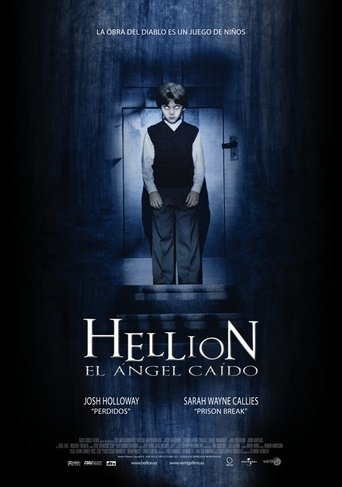
El hijo del diablo
2007 · Película

Secretos prohibidos
2023 · Película

Muerte en Invierno
1987 · Película

El juego de la tentación
2024 · Película

Bloodline Killer
2024 · Película
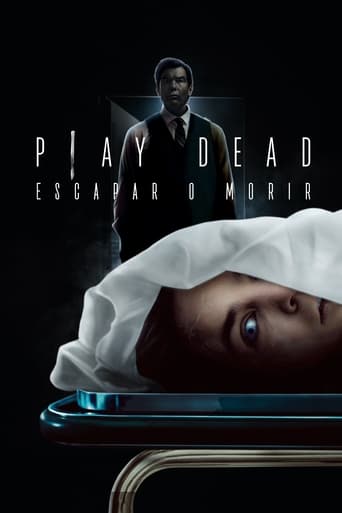
Play Dead: Escapar o morir
2022 · Película
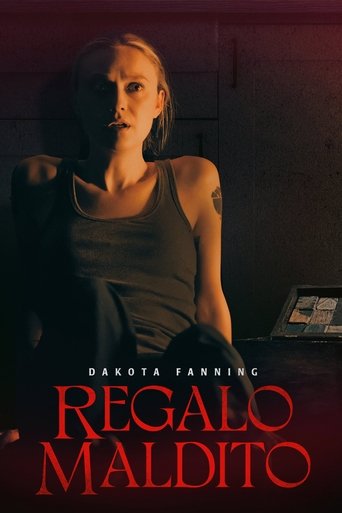
Regalo maldito
2025 · Película

El último aliento
2024 · Película

Secuestrados
2010 · Película

La casa del caracol
2021 · Película

You'll Never Find Me
2024 · Película

La niña de papá
2014 · Película
Similares

Prank Week
2017 · Película

The Righteous
2021 · Película
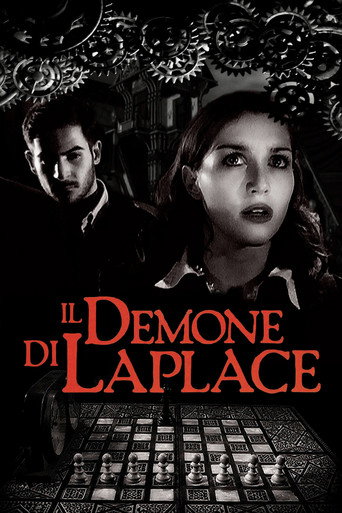
Il demone di Laplace
2017 · Película
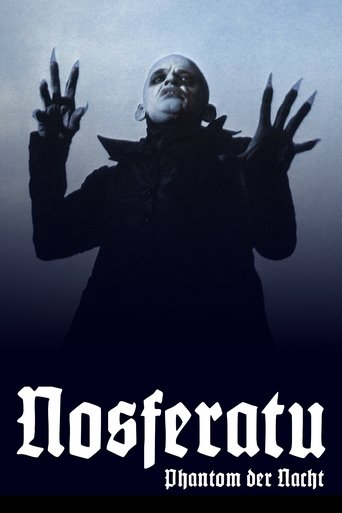
Nosferatu, el vampiro
1979 · Película

ഇ
2017 · Película
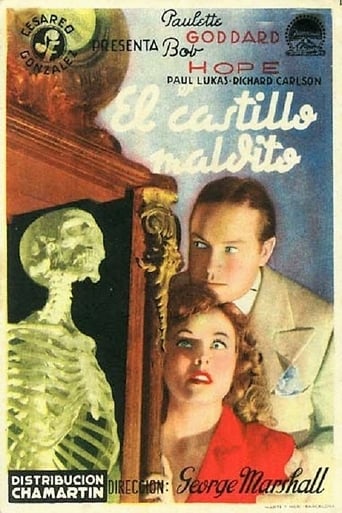
The Ghost Breakers
1940 · Película
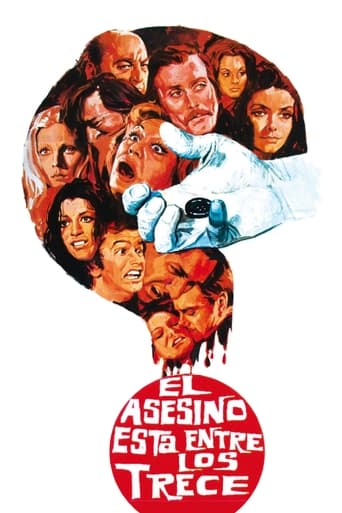
El asesino está entre los trece
1973 · Película

Flowers
2015 · Película

Posesión satánica
2012 · Película

Greed & Gore
— · Película
The Mountain: Chapter one
2027 · Película

Trhauma
1980 · Película

The Hive
— · Película
Smarthouse
2023 · Película