
Película · 1998
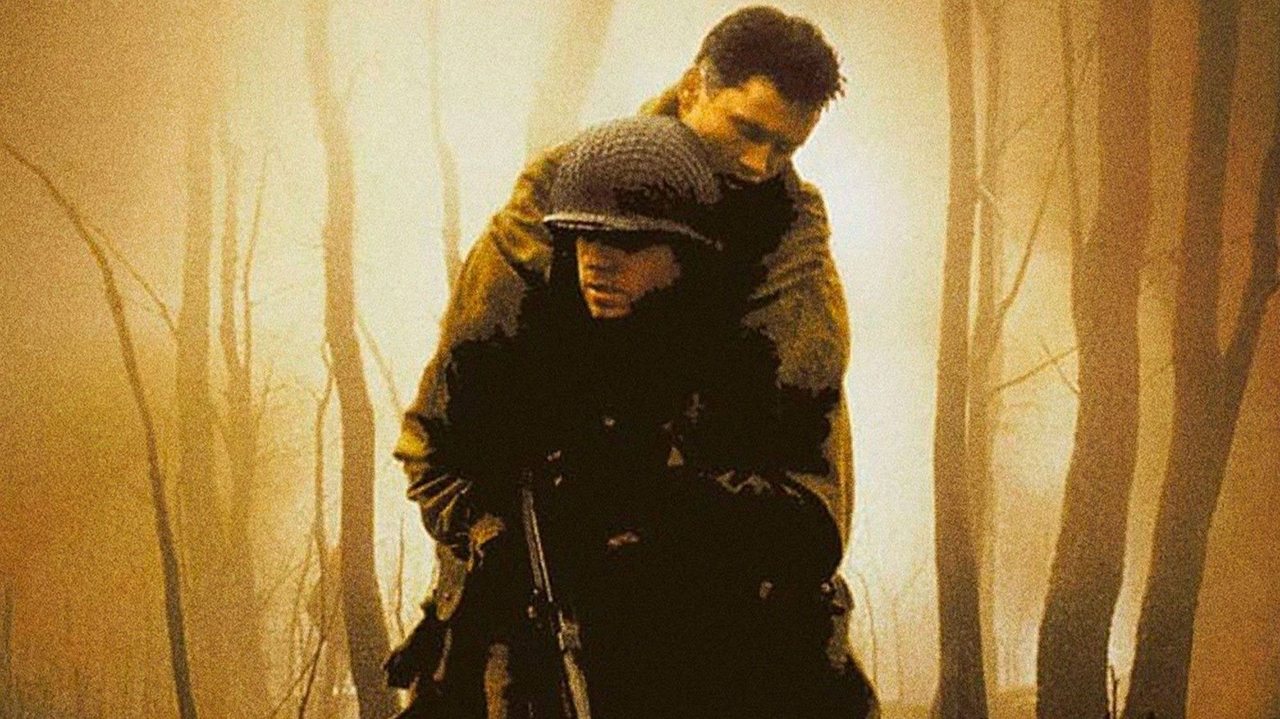
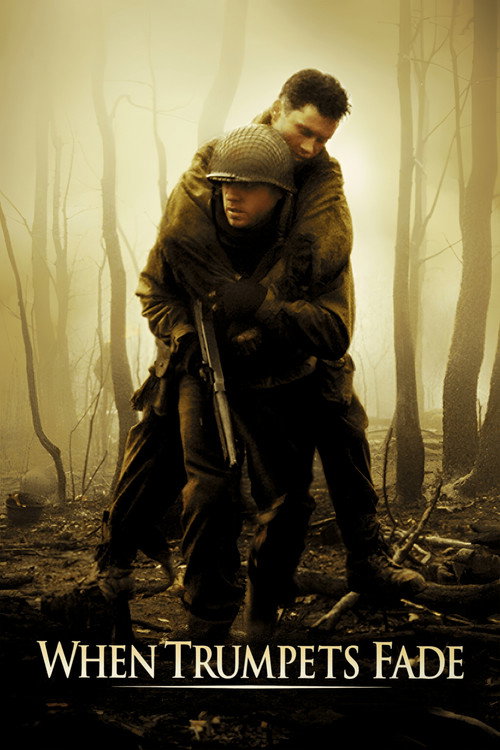
Cuando Callan Las Trompetas
Dirección: John Irvin
Septiembre de 1944. En las postrimerías de la Segunda Guerra Mundial, durante la batalla del bosque de Hürtgen, el soldado David Manning (Ron Eldard) abandona a su pesar a un compañero mortalmente herido para reunirse con sus compañeros de pelotón. Desgraciadamente, el Capitán Pritchett le comunica que todos han muerto. Manning es entonces ascendido a sargento en contra la opinión del sargento Talbot, que lo considera un cobarde.
Reparto










Dónde ver
Suscripción
 Movistar Plus+ Ficción Total
 HBO Max
 HBO Max Amazon Channel
Ficha técnica
- Título original
- When Trumpets Fade
- Idiomas
- English
- Países
- United States of America
- Productoras
- HBO| Citadel Entertainment
Críticas
(CASTELLANO) Barro, miedo y supervivencia sin épica Me pareció una película bélica bastante seca, directa y claramente antibelicista. No busca convertir la guerra en espectáculo heroico ni vender la batalla como una aventura de valor limpio. Al contrario: todo huele a barro, miedo, agotamiento, órdenes absurdas y soldados que avanzan porque alguien se lo manda, no porque entiendan demasiado bien para qué están muriendo. La batalla del bosque de Hürtgen aparece como un infierno gris, embarrado y confuso. No hay belleza bélica ni grandes discursos que eleven el sacrificio. Hay hombres perdidos entre árboles, explosiones, disparos, cuerpos que caen y una sensación constante de desgaste. La película funciona precisamente porque no parece interesada en la gloria, sino en la supervivencia. El protagonista, Manning, me parece lo mejor. No es el soldado noble que sueña con medallas ni el héroe clásico que siempre hace lo correcto. Es un tipo que quiere seguir vivo. Y eso, en una película de guerra, resulta bastante honesto. Su "cobardía" no se presenta como simple falta de valor, sino como una reacción humana ante una carnicería que no tiene nada de romántica. Lo interesante es cómo la película juega con esa frontera entre cobardía y lucidez. Manning no quiere morir, no quiere cargar con más responsabilidad y no quiere fingir que todo aquello tiene sentido. Pero precisamente por haber sobrevivido y por conocer el terreno, los mandos lo empujan a ocupar un lugar que no desea. Es una forma muy cruel de ascenso: cuanto mejor sobrevives al horror, más te obligan a volver a él. Ese punto me parece potente. La guerra convierte la supervivencia en sospecha y el miedo en defecto, cuando quizá el miedo es lo único verdaderamente cuerdo en ese contexto. La película no necesita subrayarlo mucho: basta con ver cómo los hombres van desapareciendo, cómo los reemplazos llegan sin entender nada y cómo cada orden parece acercarlos a una muerte casi administrativa. También me gustó que no idealice a los mandos. No todos son monstruos, pero el sistema militar aparece como una máquina que necesita seguir funcionando aunque los cuerpos se acumulen. Las decisiones llegan desde arriba, las consecuencias las pagan los de abajo y la lógica de la misión pesa más que la vida concreta de cada soldado. Las escenas de combate están bastante bien. No tienen el virtuosismo de las grandes películas bélicas, pero sí transmiten caos y peligro. Hay momentos en los que no parece que nadie controle nada, y eso ayuda mucho a la sensación antibélica. La guerra no aparece como estrategia limpia en un mapa, sino como ruido, confusión y muerte cercana. Es verdad que el guion puede ser algo convencional. Algunos diálogos suenan a película bélica conocida, algunos personajes secundarios están menos trabajados y la estructura de soldado reacio obligado a liderar no es precisamente nueva. Entiendo esa crítica de que tiene algo manido. Pero aun así, el tono áspero y la falta de épica hacen que funcione mejor de lo que podría parecer. No me parece una obra maestra, pero sí una película infravalorada y bastante digna. Tiene nervio, tiene dureza y tiene una mirada clara sobre la guerra como trituradora de personas. No intenta emocionar con patriotismo ni con grandes sacrificios luminosos; prefiere mostrar a hombres asustados intentando aguantar un día más. Me quedo sobre todo con esa idea: cuando callan las trompetas, lo que queda no es la música heroica, sino el silencio después del desastre. El título le va muy bien. La película parece decir que la guerra solo suena noble desde lejos; cuando estás dentro, lo que hay es barro, miedo y gente que no quiere morir. Al final, la veo como una buena película bélica menor, seca y honesta. Quizá le falta más profundidad psicológica y algún personaje secundario más memorable, pero su mirada antibelicista me convenció. No glorifica la batalla, no romantiza al soldado y no castiga al protagonista por querer vivir. Y eso, dentro del género, ya tiene bastante valor. (ENGLISH) Mud, fear and survival without epic glory I found it a fairly dry, direct and clearly anti-war film. It does not try to turn war into heroic spectacle or sell battle as an adventure of clean courage. On the contrary: everything smells of mud, fear, exhaustion, absurd orders and soldiers moving forward because someone tells them to, not because they really understand what they are dying for. The Battle of Hürtgen Forest appears as a grey, muddy and confused hell. There is no martial beauty and no grand speech that elevates sacrifice. There are men lost among trees, explosions, gunfire, falling bodies and a constant sense of attrition. The film works precisely because it is not interested in glory, but in survival. Manning, the protagonist, is the best part for me. He is not the noble soldier dreaming of medals, nor the classic hero who always does the right thing. He is a man who wants to stay alive. And in a war film, that feels quite honest. His "cowardice" is not presented simply as lack of courage, but as a human reaction to a massacre that has nothing romantic about it. What is interesting is how the film plays with the border between cowardice and lucidity. Manning does not want to die, does not want more responsibility and does not want to pretend that any of it makes sense. But precisely because he has survived and knows the ground, the officers push him into a role he does not want. It is a very cruel kind of promotion: the better you survive horror, the more they force you back into it. That point is powerful. War turns survival into suspicion and fear into a defect, when perhaps fear is the only truly sane response in that context. The film does not need to underline it too much: it is enough to see men disappearing, replacements arriving without understanding anything and each order bringing them closer to an almost administrative death. I also liked that it does not idealize command. Not everyone is a monster, but the military system appears as a machine that needs to keep working even as bodies pile up. Decisions come from above, consequences are paid below, and the logic of the mission weighs more than the concrete life of each soldier. The combat scenes are fairly good. They do not have the virtuosity of the great war films, but they do transmit chaos and danger. There are moments when nobody seems to control anything, and that helps the anti-war feeling a lot. War does not appear as clean strategy on a map, but as noise, confusion and nearby death. It is true that the script can be somewhat conventional. Some dialogue sounds like familiar war-movie material, some supporting characters are less developed and the structure of a reluctant soldier forced to lead is not exactly new. I understand the criticism that it is a bit worn. Even so, the rough tone and the lack of epic decoration make it work better than it might have. I do not think it is a masterpiece, but it is an underrated and quite decent film. It has nerve, harshness and a clear view of war as a machine that grinds people down. It does not try to move you with patriotism or shining sacrifices; it prefers to show frightened men trying to endure one more day. What stays with me most is that idea: when the trumpets fade, what remains is not heroic music, but the silence after disaster. The title fits it very well. The film seems to say that war only sounds noble from far away; once you are inside it, there is mud, fear and people who do not want to die. In the end, I see it as a good minor war film, dry and honest. It may lack greater psychological depth and a few more memorable supporting characters, but its anti-war gaze convinced me. It does not glorify battle, romanticize the soldier or punish its protagonist for wanting to live. And within the genre, that already has value.
Recomendadas

La cruz de hierro
1977 · Película

La tregua
2025 · Película
Al lado del enemigo
2014 · Película

Bastardos sin gloria
2009 · Película

Corazones De Hierro
2014 · Película

Ike: Countdown to D-Day
2004 · Película

Rescatando al soldado Ryan
1998 · Película
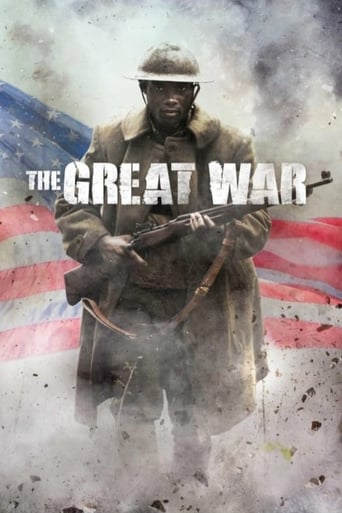
The Great War
2019 · Película

Saints and Soldiers
2003 · Película

El Escuadrón Gran Rojo
1980 · Película
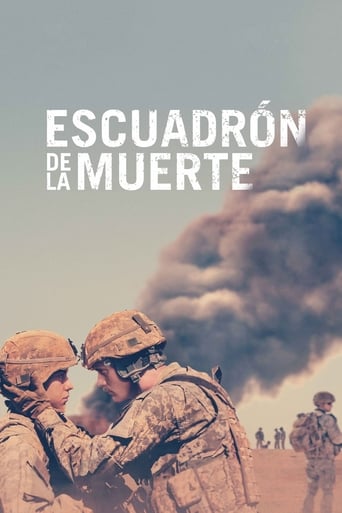
Escuadrón de la muerte
2019 · Película
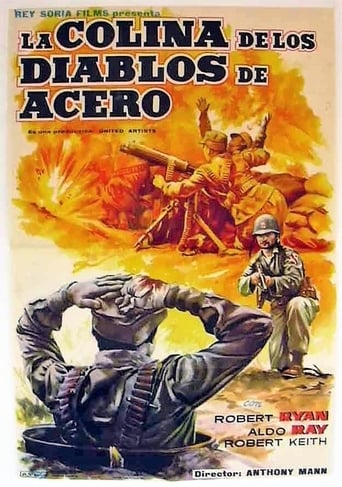
Men in War
1957 · Película
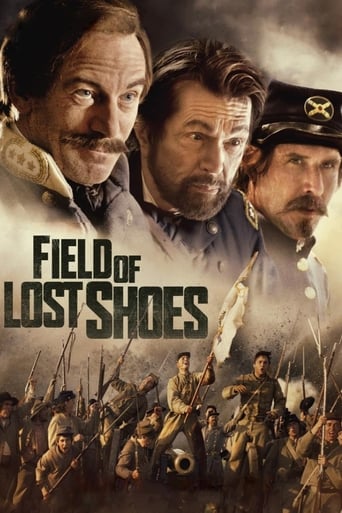
Field of Lost Shoes
2015 · Película

Sahara
1995 · Película
Similares
Die große Liebe
1942 · Película

Die Mörder sind unter uns
1946 · Película

La tormenta mortal
1940 · Película
Enemigo al Acecho
2001 · Película
Rescatando al soldado Ryan
1998 · Película
Cameramen at War
1943 · Película
Attack! The Battle for New Britain
1944 · Película

Suite Française
2015 · Película

Jean de Florette
1986 · Película

Manon des sources
1986 · Película

Danton
1983 · Película
La Révolution française
1989 · Película
Francisco Boix: un fotógrafo en el infierno
2000 · Película

La conquista del honor
2006 · Película