
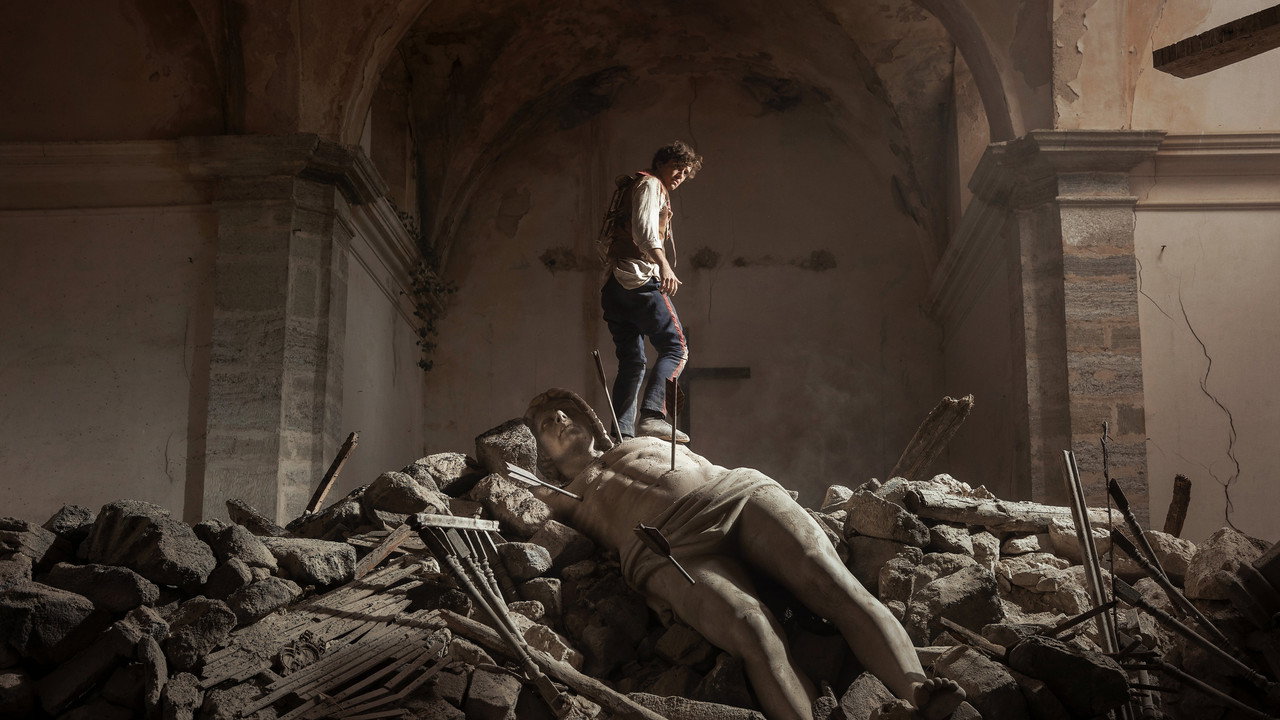
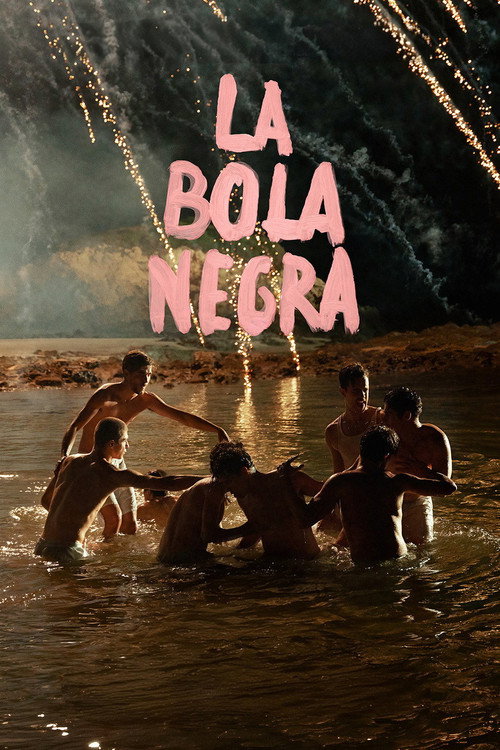
Las vidas interconectadas de tres hombres en tres épocas distintas, tres existencias íntimamente ligadas por la sexualidad y el deseo, el dolor y la herencia.
Reparto

Guitarricadelafuente
Sebastián
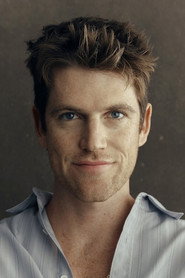
Miguel Bernardeau
Rafael

Carlos González
Alberto

Milo Quifes
Carlos

Lola Dueñas
Teresa

Penélope Cruz
Nené Romero

Glenn Close
Isabelle Durand

Julio Torres
Juan Pablo

Yenesi
Goyita

Lorenzo Zurzolo
Riccardo
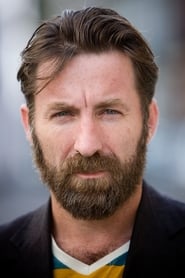
Antonio de la Torre
Vicente (El padre de Carlos)

María Morales
La madre

Natalia de Molina
Valentina (La hermana)
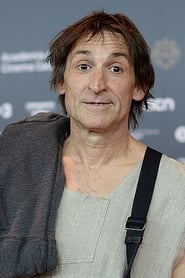
Albert Pla
Teniente Coronel
Ficha técnica
- Idiomas
- Español, English, Italiano
- Países
- Spain, France
- Productoras
- Movistar Plus| Le Pacte| El Deseo| Telefónica Audiovisual Digital| Los Esquiadores
- Presupuesto
- USD 11,100,000
- Recaudación
- USD 43,754,436
Cifras en dólares, según TMDb.
Críticas
(CASTELLANO) Pocas veces una película consigue que termine pensando menos en si técnicamente es perfecta que en todo lo que me ha hecho sentir durante casi tres horas. La bola negra me ha puesto los pelos de punta, me ha hecho pensar muchísimo y terminó rompiéndome por completo. Cuando empezó a sonar “La Nieve” ya estaba llorando. Javier Calvo y Javier Ambrossi parten de unas pocas páginas que Federico García Lorca dejó inacabadas para construir tres historias situadas en momentos distintos de España. No intentan imaginar simplemente cómo habría terminado aquella obra. Hacen algo bastante más ambicioso: preguntarse cuántas vidas, como aquel texto, quedaron también sin terminar porque alguien decidió que determinadas personas no podían amar, expresarse o existir como eran. La parte histórica posee imágenes que se me han quedado clavadas. Una multitud puede celebrar, una bandera puede ondear, puede sonar música y todo puede parecer una fiesta, pero detrás puede haber una violencia terrible. Me impresionó especialmente esa contradicción entre la apariencia de celebración y lo que sabemos que significa una guerra entre personas del mismo país, con vencedores, vencidos, represalias, miedo y silencios. Sebastián encarna muy bien ese conflicto. Parece debatirse continuamente entre el mundo que lo rodea y aquello que siente. La película entiende que la represión no consiste únicamente en prohibir algo mediante una ley. También consiste en conseguir que una persona aprenda a vigilarse a sí misma. La homosexualidad está en el centro, naturalmente, pero yo no creo que La bola negra termine hablando únicamente de hombres homosexuales. Habla de cualquiera que haya sentido alguna vez que para pertenecer debía ocultar una parte esencial de sí mismo. Por eso mi lectura de Lorca durante la película fue muy concreta: Federico quería que una persona pudiera mostrar y decir lo que sentía sin tener miedo. Que un hombre pudiera amar a otro hombre. Que una mujer pudiera amar a otra mujer. Que una persona trans pudiera decir quién es. Que un niño que desde pequeño siente que es una niña pudiera decirlo sin empezar inmediatamente a calcular qué pensarán los demás. Sin más. Eso, para mí, es la verdadera libertad. No que los demás “toleren” tu existencia. No tener que pedirles permiso. La libertad de que tu propia vida te pertenezca. Carlos es quizá donde esa idea me golpeó con más fuerza. Hay algo devastador en ver lo que el miedo al rechazo puede hacerle a una persona cuando durante años aprende a separar lo que siente de lo que se atreve a mostrar. También me gustó muchísimo cómo la trama contemporánea utiliza el texto inacabado de Lorca. La pregunta sobre qué hacer con lo que queda de una obra interrumpida termina funcionando como otra versión de la misma pregunta: ¿qué hacemos nosotros con todo lo que nos dejó el pasado? ¿Lo escondemos, lo hacemos más cómodo o permitimos finalmente que hable? Visualmente la película es enorme. Gris Jordana pasa del intimismo a imágenes de una potencia casi pictórica, y los Javis no tienen ningún miedo al exceso. Penélope Cruz tiene además una secuencia extraordinaria, pero lo que realmente unifica toda la película es esa sensación de memoria que atraviesa décadas. Y luego está Raül Refree. Cuando llega “La Nieve” ya no pude contenerme. Es triste, delicada, casi consoladora. Toda la película parece concentrarse entonces en una sola sensación: cuánto dolor puede producir una vida que no pudo vivirse plenamente y cuánto alivio puede haber en dejar finalmente de esconderse. Lloré desde que empezó. La bola negra habla de Lorca, de la Guerra Civil, de deseo y de memoria queer, pero terminé pensando en algo mucho más sencillo y universal: solo tenemos esta vida. Qué tragedia desperdiciarla representando el personaje que otras personas esperan que seamos. Por todo eso, para mí no había otra nota posible. (ENGLISH) Very few films leave me thinking less about whether every technical decision was perfect than about everything I felt while watching them. The Black Ball gave me chills, made me think constantly and eventually broke me emotionally. By the time “La Nieve” began to play, I was already crying. Javier Calvo and Javier Ambrossi take the handful of pages Federico García Lorca left unfinished and build three stories set at different moments in Spanish history. They are not simply trying to imagine how that lost work might have ended. Their ambition is much larger: to consider how many human lives, like that text, were also left unfinished because somebody decided certain people were not allowed to love, speak or exist openly as themselves. The historical sections contain images that have stayed with me. A crowd can celebrate, flags can wave, music can play and everything can resemble a party, while underneath lies terrible violence. That contradiction between celebration and the reality of a civil conflict —victors, defeated people, repression, fear and silence— is deeply unsettling. Sebastián embodies that conflict beautifully. He seems constantly divided between the world surrounding him and what he actually feels. The film understands that repression is not only about laws banning something. It is also about teaching people to police themselves. Homosexuality is naturally central to the story, but I do not think The Black Ball ultimately speaks only about gay men. It speaks about anyone who has ever felt that belonging required hiding an essential part of themselves. My reading of Lorca while watching the film became very simple: a person should be able to express what they feel without fear. A man should be able to love another man. A woman should be able to love another woman. A trans person should be able to say who they are. A child who understands very early that they are a girl should be able to say it without immediately wondering what everybody else will think. Nothing more complicated than that. For me, that is real freedom. Not having other people “tolerate” your existence. Not needing their permission. The freedom for your own life to belong to you. Carlos is perhaps where that idea affected me most deeply. There is something devastating about what fear of rejection can do to a person who spends years separating what they feel from what they dare to show. I also loved the way the contemporary story uses Lorca's unfinished text. The question of what should be done with the remainder of an interrupted work gradually becomes another version of the same question: what do we do with everything the past has left us? Do we hide it, reshape it until it becomes comfortable, or finally let it speak? Visually, the film is enormous. Gris Jordana moves from intimacy to almost painterly images, and Calvo and Ambrossi show no fear of excess. Penélope Cruz also has an extraordinary sequence, but what truly unifies the film is the feeling of memory travelling across decades. And then there is Raül Refree. When “La Nieve” arrives, I could no longer hold back. It is sad, delicate and almost comforting. The entire film suddenly seems to collapse into one feeling: the pain of a life that could not be fully lived and the relief of finally no longer having to hide. I cried from the moment it started. The Black Ball is about Lorca, the Spanish Civil War, desire and queer memory, but I finished it thinking about something much simpler and more universal: we only have this one life. What a tragedy to waste it playing the person other people expect us to be. For me, no other rating was possible.
Recomendadas
Behold a Pale Horse
1964 · Película
Cristiada
2012 · Película

La trinchera infinita
2019 · Película

El beso de la mujer araña
1985 · Película

Juego de Espías
2018 · Película

Jacknife
1989 · Película

El último de los mohicanos
1992 · Película

La reina de fuego
2024 · Película

El fotógrafo de Mauthausen
2018 · Película
Field of Lost Shoes
2015 · Película

El baile de los 41
2020 · Película

La Lista de Schindler
1993 · Película
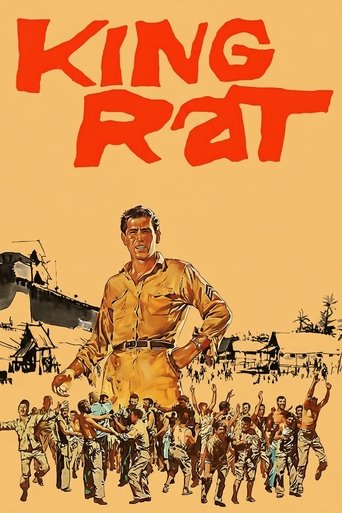
King Rat
1965 · Película
Adam Resurrected
2008 · Película
Similares

Du er ikke alene
1978 · Película

Ice Palace
1960 · Película

À Tarde, Sob o Sol
2020 · Película

Front Cover
2016 · Película

触碰
2016 · Película

El hombre de la mandolina
1985 · Película

Wildcat
2024 · Película
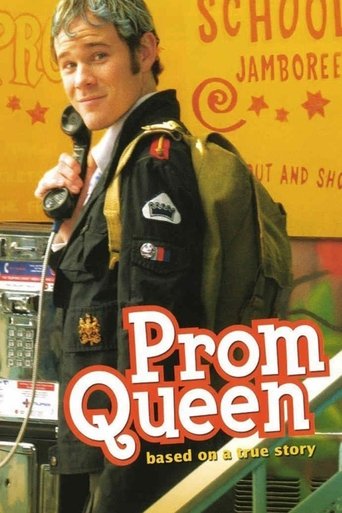
Prom Queen: The Marc Hall Story
2004 · Película

Spetters
1980 · Película

Noche larga y febril
1958 · Película
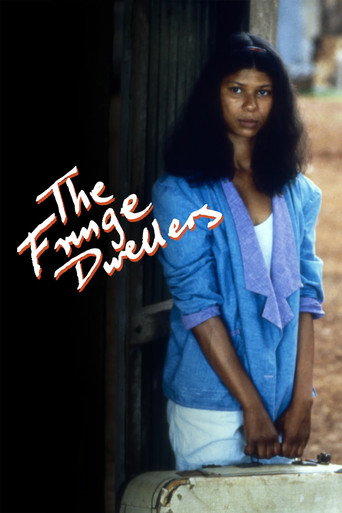
The Fringe Dwellers
1986 · Película

Benita
2026 · Película

สาฆวันในหน้าร้อน
2014 · Película

Alex and the Handyman
2017 · Película