
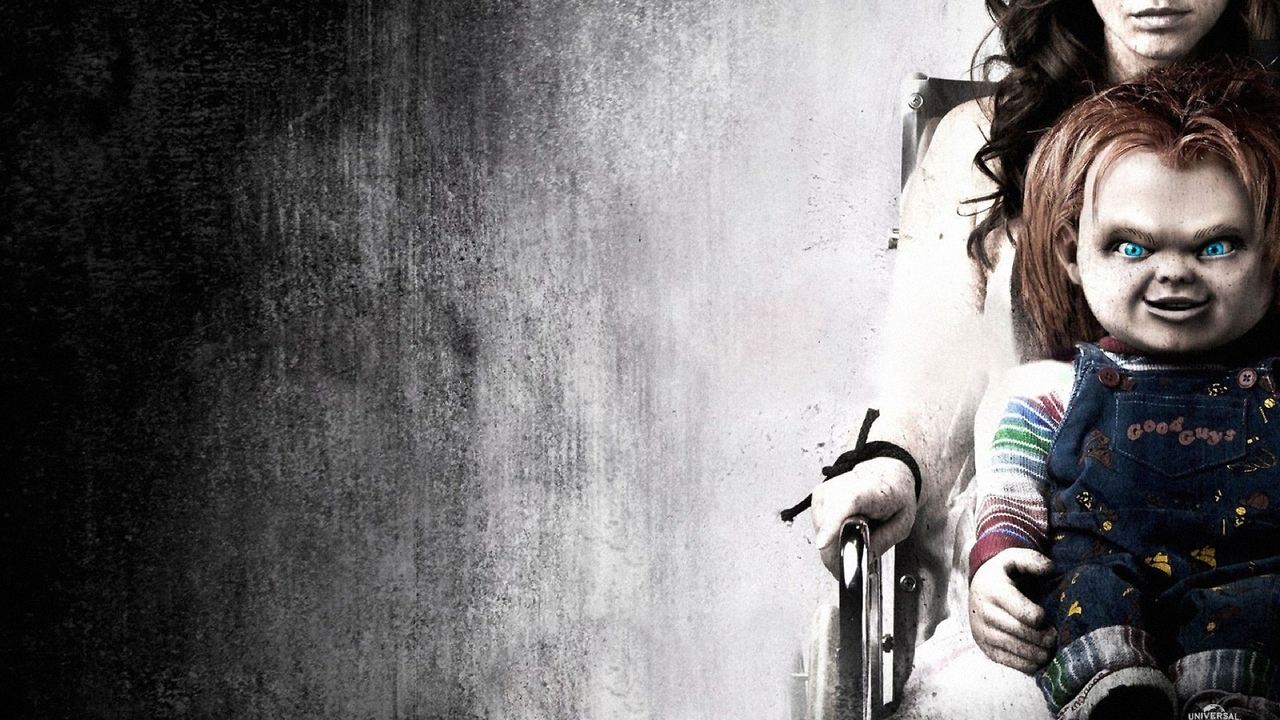

Tras la misteriosa muerte de su madre, Nica empieza a sospechar que la muñeca parlante y pelirroja con la que ha estado jugando su sobrina visitante puede ser la clave del reciente derramamiento de sangre y del caos.
Reparto

Fiona Dourif
Nica

Brad Dourif
Charles Lee Ray / Chucky (voice)

Danielle Bisutti
Barb

Summer H. Howell
Alice

Brennan Elliott
Ian

Maitland McConnell
Jill

A Martinez
Father Frank

Chantal Quesnel
Sarah

Adam Hurtig
Officer Stanton
Kally Berard
Young Barb
Kyle Nobess
Nica's Dad
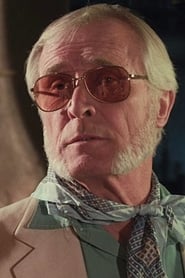
Kevin Anderson
Judge

Ali Tataryn
US X Girl

Will Woytowich
Lead Fireman
Tráiler
Dónde ver
Suscripción
 Movistar Plus+ Ficción Total
 SkyShowtime
 Sky Showtime Amazon Channel
Alquiler
 Apple TV Store
 Rakuten TV
 Amazon Video
Compra
Apple TV StoreRakuten TVAmazon VideoFicha técnica
- Título original
- Curse of Chucky
- Idiomas
- English
- Países
- United States of America
- Productoras
- Universal 1440 Entertainment
- Presupuesto
- USD 5,000,000
- Recaudación
- USD 3,876,587
Cifras en dólares, según TMDb.
Críticas
(CASTELLANO) La vuelta al terror serio me generaba cierta desconfianza, porque esta saga me funciona bastante mejor cuando Chucky mezcla amenaza con mala leche y humor negro. Aun así, aquí hay suficiente atmósfera, una protagonista sólida y algunos momentos macabros bien medidos como para que el regreso a un tono más oscuro no se me haga pesado. Fiona Dourif funciona muy bien como Nica. Aquí se la ve más joven, más vulnerable y menos endurecida que en entregas posteriores, y eso ayuda a que el personaje transmita una sensación de indefensión mucho mayor. Además, resulta curioso verla incorporarse a una franquicia en la que su padre, Brad Dourif, lleva desde el principio poniendo voz a Chucky. Esa conexión familiar añade un pequeño atractivo extra sin necesidad de que la película lo subraye. Don Mancini intenta recuperar parte del espíritu de la primera Muñeco diabólico: espacios cerrados, silencios, una familia que no entiende del todo lo que ocurre y un muñeco que durante bastante tiempo vuelve a funcionar como presencia inquietante antes que como máquina de chistes. La casa, la tormenta y el aislamiento ayudan mucho a construir esa sensación. Eso me interesa más que lo que hicieron la segunda y la tercera entrega, que nunca me gustaron demasiado. Aquí, al menos, hay una intención clara de reconstruir el miedo alrededor de Chucky en vez de limitarse a repetir persecuciones y asesinatos. Otra cosa es que el personaje, después de tantos años y tantas películas, pueda volver a asustar como en 1988. Esa inocencia ya no existe para el espectador. Por eso agradecí especialmente los pequeños destellos de humor negro. La película es bastante seria, pero de vez en cuando Chucky vuelve a soltar alguna barbaridad o aparece una situación macabra con ese punto absurdo que le sienta tan bien. Esos momentos impiden que todo se vuelva excesivamente solemne y recuerdan por qué el personaje sobrevivió tantos años. También me funcionó la forma en que la película va recuperando conexiones con la mitología anterior sin presentarse como un reinicio. Poco a poco queda claro que La maldición de Chucky quiere volver a las raíces sin borrar lo ocurrido antes. Para quien lleva tiempo siguiendo la saga, esos vínculos aportan interés incluso cuando el argumento principal es bastante sencillo. El problema es precisamente que la sencillez se nota demasiado en algunos tramos. Durante bastante tiempo la película juega a esconder algo que el espectador ya conoce perfectamente: sabemos quién es Chucky y sabemos de lo que es capaz. Estirar demasiado esa espera puede restar ritmo, sobre todo cuando algunos personajes secundarios tienen menos fuerza que Nica. El guion tampoco está libre de caprichos. Hay decisiones pensadas para encajar la película dentro de una continuidad cada vez más complicada y algunas conexiones resultan más ingeniosas que naturales. A estas alturas la saga arrastra tanta historia que cualquier intento de ordenarla necesita aceptar ciertas piruetas. Aun así, la atmósfera funciona, las muertes tienen suficiente imaginación y Fiona Dourif da un centro humano bastante más interesante de lo esperado. La discapacidad de Nica tampoco está utilizada solo como rasgo superficial: aumenta la vulnerabilidad física del personaje y obliga a que muchas situaciones de peligro se planteen de otra manera. La maldición de Chucky no me parece una de las grandes películas de terror de la saga, pero sí un regreso digno después de tantos cambios de tono. Prefiero a Chucky con algo más de cachondeo, como en La novia de Chucky o incluso en Cult of Chucky, pero aquí el intento de volver al terror serio está bastante mejor llevado de lo que temía. Tiene defectos, tarda en arrancar y algunas piezas de continuidad chirrían, pero se deja ver y recupera parte del lado siniestro del muñeco sin renunciar del todo a su humor negro. (ENGLISH) The return to serious horror made me slightly wary, because this franchise works better for me when Chucky mixes menace with nastiness and black humor. Even so, there is enough atmosphere, a strong lead and some well-judged macabre moments here to keep the darker approach from becoming dull. Fiona Dourif works very well as Nica. She looks younger, more vulnerable and far less hardened here than in later entries, which gives the character a much stronger sense of helplessness. It is also interesting to see her join a franchise in which her father, Brad Dourif, has voiced Chucky from the beginning. That family connection adds a little extra appeal without the film needing to underline it. Don Mancini tries to recover some of the spirit of the original Child's Play: enclosed spaces, silence, a family that does not fully understand what is happening and a doll that, for a long while, works more as an unsettling presence than as a joke machine. The house, the storm and the isolation all help build that feeling. That interests me more than what the second and third films did, which never worked particularly well for me. At least here there is a clear attempt to rebuild fear around Chucky instead of simply repeating chases and killings. Whether the character can still frighten an audience the way he did in 1988 is another question. That innocence is gone now. That is why I especially appreciated the small flashes of black humor. The film is fairly serious, but every so often Chucky gets to deliver something nasty or a macabre situation lands with the absurd edge that suits him so well. Those moments stop the whole thing from becoming overly solemn and remind us why the character has lasted for so long. I also liked the way the film reconnects with earlier mythology without presenting itself as a reboot. Gradually it becomes clear that Curse of Chucky wants to return to the roots without erasing what came before. For anyone who has followed the series for years, those links add interest even when the central plot is quite simple. The main problem is that the simplicity becomes too obvious in places. For a long stretch the film plays at hiding something the audience already knows perfectly well: we know who Chucky is and what he can do. Stretching that waiting game too far can hurt the pace, especially when some supporting characters are much less interesting than Nica. The screenplay is not free of contrivances either. Some decisions are clearly designed to fit the film into an increasingly complicated continuity, and a few connections feel more clever than natural. By this point the franchise carries so much history that any attempt to organize it has to accept a few narrative contortions. Even so, the atmosphere works, the kills have enough imagination and Fiona Dourif gives the film a more compelling human center than I expected. Nica's disability is not treated merely as a superficial trait either: it increases her physical vulnerability and forces many dangerous situations to be staged differently. Curse of Chucky is not one of the franchise's great horror films for me, but it is a respectable return after so many tonal shifts. I prefer Chucky with a little more humor, as in Bride of Chucky or even Cult of Chucky, but the attempt to return to serious horror works better than I expected. It has flaws, takes a while to get moving and some continuity pieces creak, but it remains watchable and recovers part of the doll's sinister side without completely abandoning the black humor.
Recomendadas

Culto a Chucky
2017 · Película

Halloween: El inicio
2007 · Película

Pesadilla en la calle del infierno 4: El amo de los sueños
1988 · Película

Halloween 4: El regreso de Michael Myers
1988 · Película
Halloween
1978 · Película

Pinocho: Sin cuerdas
2026 · Película

Trick
2019 · Película

Bloodline
2019 · Película

La Casa del Terror
2019 · Película
The Children
2008 · Película

Terrifier 2: El Payaso Siniestro
2022 · Película

Mil Gritos Tiene la Noche
1982 · Película

Halloween II
1981 · Película

La masacre de Texas
2003 · Película
Similares

Viaje a las Estrellas III: La Búsqueda de Spock
1984 · Película

La Nueva Gran Estafa
2004 · Película

Depredador 2
1990 · Película

Viaje a las estrellas V: La última frontera
1989 · Película

Beyond Horror: The History and Sub-Culture of Red Films
2019 · Película

The Fuzzies
2021 · Película

Beast with a Budget
2019 · Película

Backwoods 2: The Revenge of Caleb
— · Película

OSARU-CHAN
2021 · Película

El granero Parte 2
2022 · Película

Jessicarved
2022 · Película

007: Vive y deja morir
1973 · Película

Viaje a las estrellas VI: La tierra desconocida
1991 · Película

El juego del miedo
2004 · Película