


Adaptación del relato corto Gramma escrito por Stephen King en los años 80. Dos hermanos van con su madre a cuidar a su abuela enferma. Sin embargo, no tardarán en descubrir que ella es una bruja que realizó un pacto diabólico usando magia negra años atrás.
Reparto

Frances O'Connor
Rebecca

Shirley Knight
Mercy
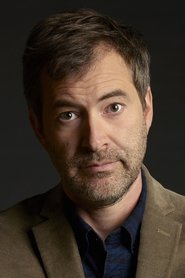
Mark Duplass
Uncle Lanning

Chandler Riggs
George

Joel Courtney
Buddy
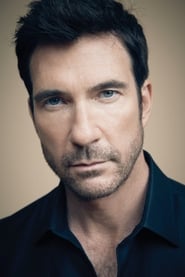
Dylan McDermott
Jim Swann
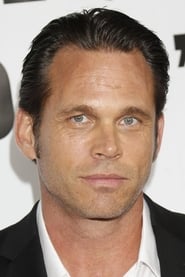
Chris Browning
Frank

Amanda Walsh
Charlotte

Eddie Jones
Pastor Gregory Luke

Hana Hayes
Girl Next Door

Pepper Binkley
Young Mercy

Sewell Whitney
Doctor Hayes

Joe Egender
Wendell

Munda Razooki
Mr. Tullen
Dónde ver
Suscripción
 Amazon Prime Video
 Amazon Prime Video with Ads
Alquiler
 Apple TV Store
 Amazon Video
Compra
Apple TV StoreAmazon VideoFicha técnica
- Título original
- Mercy
- Idiomas
- English
- Países
- United States of America
- Productoras
- Blumhouse Productions| Wonderland Sound and Vision
Críticas
(CASTELLANO) Una historia de brujería puede ser previsible y aun así funcionar si consigue que su mal tenga una lógica propia. Eso es lo que me pasó con esta película: no me parece especialmente original ni brillante, pero sí bastante más efectiva que muchas otras que utilizan pactos, posesiones y viejas maldiciones como simple decoración. Chandler Riggs sostiene bien el punto de vista de George. Su personaje funciona porque entra en la historia desde una mezcla de curiosidad, miedo y desconcierto que resulta creíble, y porque la película deja que vaya entendiendo poco a poco qué hay detrás de la figura de su abuela. Esa progresión hace que el componente sobrenatural tenga algo más de peso que el típico catálogo de sobresaltos. Shirley Knight también aporta bastante. Mercy no es solo una anciana inquietante colocada en una cama para provocar mal rollo: hay una historia detrás de ella, una vida anterior y una transformación que dan al personaje un componente trágico. Eso me interesó más que la propia amenaza demoníaca, porque evita que todo se reduzca a “abuela poseída” y poco más. La película funciona mejor cuando se centra en ese pasado, en la idea de que hubo una persona antes de la maldición y en cómo una decisión puede contaminar a toda una familia durante años. Ahí el terror tiene causa, memoria y consecuencias. No es especialmente sofisticado, pero sí más elaborado que en muchas producciones de brujería que se limitan a encadenar símbolos, rezos y apariciones. También agradezco que no se vuelva completamente histérica. Hay momentos de tensión y alguna imagen inquietante, pero Peter Cornwell mantiene durante bastante tiempo un tono más contenido, casi de cuento oscuro. Esa frialdad puede hacer que a algunos les resulte demasiado lenta, aunque a mí me pareció que ayudaba a diferenciarla de un producto de terror más ruidoso. El problema es que la película se nota pequeña. La puesta en escena es funcional, algunos efectos visuales envejecen bastante mal y varias subtramas parecen estar ahí para estirar un material que probablemente funcionaría mejor con menos minutos. Se percibe que parte de un relato corto y que el largometraje necesita añadir capas que no siempre tienen la misma fuerza. El montaje tampoco es especialmente fluido. Hay personajes y situaciones que aparecen con más importancia de la que luego terminan teniendo, y ciertos momentos parecen unidos de manera algo brusca. Eso le resta continuidad y hace que algunas ideas interesantes queden a medio desarrollar. Aun así, la historia central se entiende y mantiene la curiosidad. Lo que más me gustó fue precisamente descubrir que los elementos extraños no estaban puestos al azar, sino conectados con la historia de Mercy y con un pasado concreto. Cuando una película de este tipo consigue que su mitología tenga un mínimo de sentido, ya tiene bastante ganado conmigo. Piedad no es una gran película de terror y técnicamente resulta modesta, pero me ha parecido más interesante que muchas otras historias de brujería y posesiones. Tiene una mitología sencilla pero efectiva, una buena presencia de Shirley Knight y un Chandler Riggs que encaja bien en el tono. Le sobra algo de relleno y le falta fuerza visual, pero al menos construye un mal con historia propia y consigue que uno quiera saber de dónde viene. (ENGLISH) A witchcraft story can be predictable and still work if its evil has a logic of its own. That is what happened to me with this film: I do not find it especially original or brilliant, but it is considerably more effective than many others that use pacts, possession and old curses as little more than decoration. Chandler Riggs carries George's point of view well. His character works because he enters the story with a believable mixture of curiosity, fear and confusion, and because the film lets him gradually understand what lies behind the figure of his grandmother. That progression gives the supernatural side more weight than the usual catalogue of jump scares. Shirley Knight adds a great deal too. Mercy is not just an unsettling old woman placed in a bed to create an ominous mood: there is a history behind her, an earlier life and a transformation that give the character a tragic dimension. That interested me more than the demonic threat itself, because it keeps everything from being reduced to “possessed grandmother” and little else. The film works best when it focuses on that past, on the idea that there was a person before the curse and on how one decision can contaminate an entire family for years. That gives the horror a cause, memory and consequences. It is not especially sophisticated, but it is more developed than many witchcraft films that simply string together symbols, prayers and apparitions. I also appreciated that it does not become completely hysterical. There are tense moments and a few unsettling images, but Peter Cornwell maintains a more restrained, almost dark-fairy-tale tone for much of the film. That coldness may make it feel too slow for some viewers, although for me it helped distinguish it from noisier horror. The problem is that the film feels small. The staging is functional, some visual effects have aged badly and several subplots seem to exist mainly to stretch material that would probably work better at a shorter length. You can feel that it comes from a short story and that the feature needs to add layers that are not always equally strong. The editing is not especially fluid either. Some characters and situations appear to matter more than they ultimately do, and certain moments feel joined together rather abruptly. That weakens the continuity and leaves a few potentially interesting ideas underdeveloped. Even so, the central story remains clear and keeps some curiosity alive. What I liked most was realizing that the strange elements were not simply random, but connected to Mercy's history and to a specific past. When a film like this manages to give its mythology at least some internal sense, it already has a lot going for it. Mercy is not a great horror film and it is technically modest, but I found it more interesting than many other stories about witchcraft and possession. It has a simple but effective mythology, a strong presence from Shirley Knight and a Chandler Riggs who fits the tone well. It has some filler and lacks visual force, but at least it builds an evil with a history of its own and makes you want to understand where it came from.
Recomendadas

Madre
2016 · Película

La casa del caracol
2021 · Película

The Evil
1978 · Película
El juego de la tentación
2024 · Película

Psicópata: El Asesino del Conejo Blanco
2026 · Película

Spectral
2016 · Película

En La Oscuridad
2019 · Película

Buenas noches, Mami
2022 · Película

La mujer dormida
2024 · Película

Blackwood
2014 · Película

El hijo del diablo
2007 · Película

Presencias Inexplicables
2020 · Película

El llanto
2024 · Película

Castigos de la traicion
2023 · Película
Similares

El Secreto del Lago
2020 · Película

Bullet
1996 · Película

Frankenstein
2025 · Película

Blutrausch - Gefangen im Haus des Grauens
2006 · Película

Devon
2024 · Película

Il racconto dei racconti
2015 · Película
Quest for Love
— · Película

Óleo
2026 · Película

The Sailor Who Fell from Grace with the Sea
1976 · Película

Billy Bob
2019 · Película

Brightburn: Hijo de la oscuridad
2019 · Película

Anatomía de una Caída
2023 · Película

Babycall
2011 · Película

Dva sršne
2026 · Película