
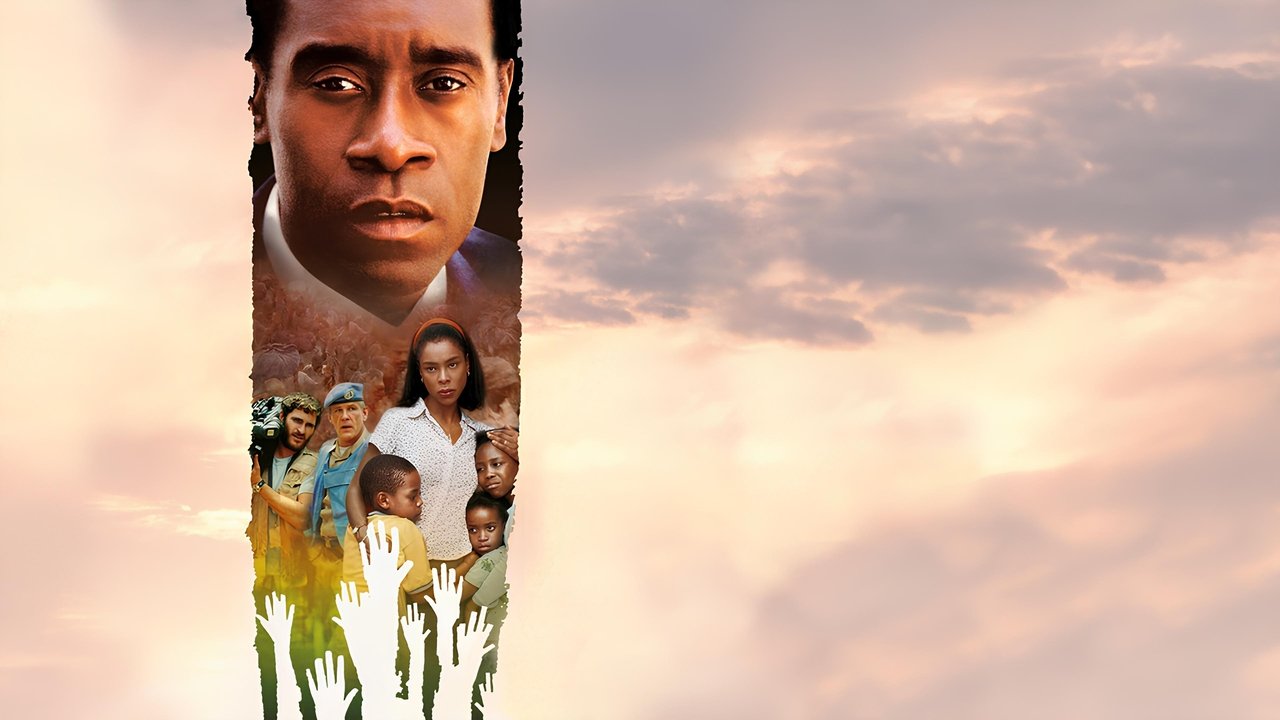
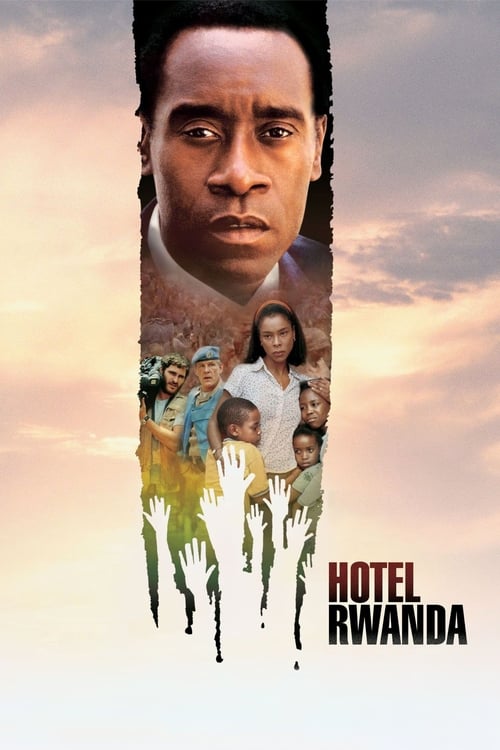
1994, guerra civil de Ruanda. Los odios ancestrales entre los hutu (la etnia dominante) y los tutsi provocan el asesinato del presidente del país, disturbios en las calles y, finalmente, una terrible matanza de los tutsi. Paul, que es hutu, trabaja como gerente de un hotel de lujo de Kigali y, cuando empiezan los disturbios, decide que el mejor refugio es precisamente el hotel. Y hacia allí organiza una huida desesperada acompañado no sólo de su familia, sino también de sus vecinos tutsi. Basada en hechos reales.
Reparto

Don Cheadle
Paul Rusesabagina

Sophie Okonedo
Tatiana Rusesabagina
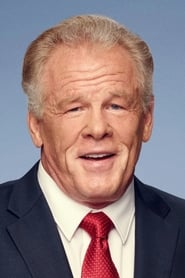
Nick Nolte
Colonel Oliver
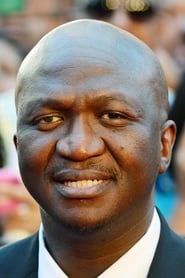
Fana Mokoena
General Bizimungu

Desmond Dube
Dube
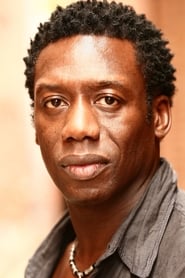
Hakeem Kae-Kazim
George Rutaganda
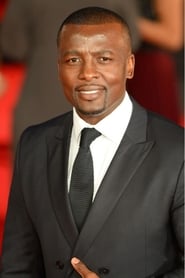
Tony Kgoroge
Gregoire

Cara Seymour
Pat Archer

David O'Hara
David

Joaquin Phoenix
Jack Daglish

Mosa Kaiser
Elys Rusesabagina
Mathabo Pieterson
Diane Rusesabagina

Ofentse Modiselle
Roger Rusesabagina

Xolani Mali
Policeman
Dónde ver
Suscripción
 Lionsgate+ Amazon Channel
Alquiler
 Apple TV Store
 Amazon Video
Compra
Apple TV StoreAmazon VideoFicha técnica
- Idiomas
- English, Français
- Países
- United States of America, United Kingdom, Italy, South Africa
- Productoras
- United Artists| Miracle Pictures| Seamus Productions| Inside Track| Kiagli Releasing| Mikado Film| Metro-Goldwyn-Mayer| Lions Gate Films
- Presupuesto
- USD 17,500,000
- Recaudación
- USD 38,000,000
Cifras en dólares, según TMDb.
Críticas
(CASTELLANO) Lo que más me ha impresionado no es que la película busque constantemente el horror, sino que muestre cómo el horror acaba entrando en lo cotidiano. Un hotel, unos trabajadores, unas habitaciones, unos uniformes, unas rutinas normales: todo parece pertenecer a un mundo reconocible hasta que las reglas dejan de servir y la violencia empieza a decidir quién manda realmente. Ahí Hotel Rwanda resulta especialmente dura, porque muestra lo rápido que puede desaparecer la sensación de normalidad cuando una sociedad empieza a aceptar que unos seres humanos valen menos que otros. Don Cheadle está extraordinario porque no interpreta a un héroe tradicional. Paul Rusesabagina no tiene superpoderes, ni una épica militar, ni una valentía grandilocuente. Su principal herramienta es conservar la cabeza fría cuando todo alrededor parece haberla perdido. Negocia, calcula, observa, intenta mantener formas de civilización en un contexto donde esas formas ya casi no significan nada. Precisamente por eso resulta tan poderoso: su resistencia nace de la decencia y de la capacidad de seguir viendo personas donde otros ya solo ven etiquetas. La película entiende muy bien la importancia de la deshumanización. Cuando una población empieza a ser reducida a insultos, categorías o animales, la violencia deja de presentarse como violencia y empieza a disfrazarse de limpieza, defensa o necesidad. Eso es probablemente lo más repugnante de todo: no basta con matar, primero hay que convencer a suficiente gente de que las víctimas ya no merecen ser tratadas como seres humanos. También me resultó muy fuerte la forma en que se derrumba la autoridad normal. Ser gerente, tener un cargo, conocer las reglas o dirigir un equipo sirve mientras existe una estructura que respeta esas normas. Cuando la violencia armada y el fanatismo ocupan ese espacio, la autoridad institucional puede convertirse en una ficción. La película hace muy visible ese cambio sin necesidad de convertirlo en un discurso teórico: basta ver cómo algunas personas dejan de respetar aquello que hasta entonces organizaba la vida diaria. Otro elemento que pesa muchísimo es la mirada hacia el exterior. Hotel Rwanda no permite olvidar que la tragedia ocurre ante un mundo que dispone de información, instituciones y capacidad de reacción, pero que responde tarde, mal o de forma insuficiente. Ese abandono resulta casi tan indignante como la propia violencia porque destruye la idea tranquilizadora de que, ante una atrocidad suficientemente grande, alguien acabará interviniendo. La historia también obliga a mirar hacia atrás. Las divisiones internas no nacieron de la nada, y la película invita a pensar en cómo el colonialismo europeo contribuyó a convertir diferencias sociales y políticas en identidades cada vez más rígidas. Eso no elimina la responsabilidad de quienes organizaron y ejecutaron el genocidio, pero sí recuerda que la historia rara vez empieza el día en que comienza la matanza. Visualmente, Terry George no busca una estilización excesiva. A veces incluso tiene una cierta apariencia de telefilme, algo que algunos críticos le han reprochado, pero en mi caso esa sencillez no destruye el impacto. La película prefiere la claridad al virtuosismo y eso hace que Don Cheadle y Sophie Okonedo carguen buena parte del peso emocional. Ella, en particular, transmite miedo y agotamiento sin necesidad de grandes discursos. Se le puede reprochar que simplifique un conflicto enormemente complejo para hacerlo accesible al gran público. Es verdad que una película de poco más de dos horas no puede explicar décadas de historia, colonialismo, propaganda, guerra civil, intervención exterior y luchas de poder sin dejar mucho fuera. Pero también creo que su objetivo principal no es ofrecer una clase exhaustiva de historia, sino obligarnos a mirar a las personas dentro de esa historia. Y en eso funciona de manera demoledora. No convierte la tragedia en espectáculo ni necesita recrearse en el horror para que entendamos su dimensión. Lo verdaderamente terrible es comprobar hasta dónde puede llegar una sociedad cuando el odio se normaliza y, al mismo tiempo, comprobar que incluso entonces hay personas capaces de seguir comportándose como seres humanos. Me queda una película durísima, profundamente indignante y también necesaria. No porque ofrezca una explicación sencilla a lo ocurrido, sino porque recuerda algo mucho más básico: antes de cualquier etiqueta, religión, etnia o bando, hay personas. Y cuando una sociedad empieza a olvidar eso, todo lo demás puede derrumbarse muy deprisa. (ENGLISH) What impressed me most is not that the film constantly seeks horror, but that it shows how horror gradually enters everyday life. A hotel, employees, rooms, uniforms, ordinary routines: everything initially belongs to a recognizable world until the rules stop mattering and violence begins to decide who truly holds power. That is where Hotel Rwanda becomes especially disturbing, because it shows how quickly normality can disappear once a society begins accepting that some human beings are worth less than others. Don Cheadle is extraordinary because he does not play a traditional hero. Paul Rusesabagina has no superpowers, no military epic and no grand speeches of courage. His main weapon is keeping a clear head while everyone around him seems to lose theirs. He negotiates, calculates, observes and tries to preserve forms of civilization in a context where those forms barely mean anything anymore. That is precisely why he is so powerful: his resistance comes from decency and from continuing to see people where others see only labels. The film understands the importance of dehumanization extremely well. Once a population is reduced to insults, categories or animals, violence stops presenting itself as violence and begins disguising itself as cleansing, defense or necessity. That may be the most repulsive aspect of all: killing is not enough; first, enough people must be persuaded that the victims no longer deserve to be treated as human beings. I was also struck by the collapse of ordinary authority. Being a manager, holding a position, knowing the rules or directing a staff matters only as long as a structure exists that respects those rules. Once armed violence and fanaticism occupy that space, institutional authority can become a fiction. The film makes that transformation visible without turning it into a theoretical lecture: it is enough to watch people stop respecting what had previously organized everyday life. Another enormously important element is the film's gaze outward. Hotel Rwanda never lets us forget that the tragedy unfolds before a world equipped with information, institutions and the capacity to react, yet responds late, poorly or inadequately. That abandonment is almost as infuriating as the violence itself because it destroys the comforting assumption that, when an atrocity becomes large enough, someone will eventually intervene. The story also forces us to look further back. Internal divisions did not emerge from nowhere, and the film invites reflection on how European colonialism helped turn social and political differences into increasingly rigid identities. That does not remove the responsibility of those who organized and carried out the genocide, but it reminds us that history rarely begins on the day the killing starts. Visually, Terry George avoids excessive stylization. At times the film even has a certain television-drama quality, something some critics have objected to, but that simplicity did not reduce its impact for me. The film prefers clarity to virtuosity, allowing Don Cheadle and Sophie Okonedo to carry much of the emotional weight. She, in particular, conveys fear and exhaustion without requiring grand speeches. The film can certainly be criticized for simplifying an enormously complex conflict in order to make it accessible to a broad audience. A film just over two hours long cannot explain decades of history, colonialism, propaganda, civil war, foreign intervention and struggles for power without leaving a great deal out. But I do not think its main goal is to provide an exhaustive history lesson; it is to force us to look at the people inside that history. And in that respect, it is devastatingly effective. It does not turn tragedy into spectacle or need to indulge in horror for us to understand its scale. What is truly terrifying is seeing how far a society can go once hatred becomes normalized, while also seeing that even then some people remain capable of behaving like human beings. What remains is a profoundly harsh, deeply infuriating and necessary film. Not because it offers a simple explanation for what happened, but because it reminds us of something much more basic: before any label, religion, ethnicity or side, there are people. And when a society begins to forget that, everything else can collapse frighteningly fast.
Recomendadas

Algunas veces en abril
2005 · Película

Shooting Dogs
2006 · Película

Lágrimas del Sol
2003 · Película

Darfur
2009 · Película

El Escuadrón Gran Rojo
1980 · Película

Emancipación
2022 · Película

Mr. Jones
2019 · Película
La resistencia invisible
2025 · Película
Zulú
1964 · Película
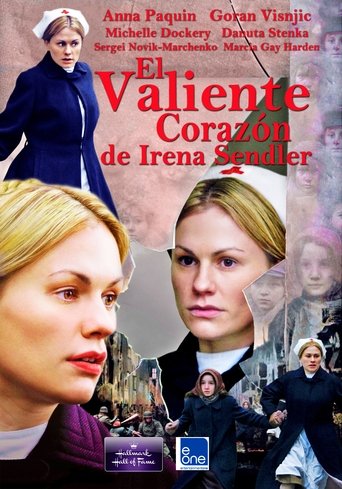
The Courageous Heart of Irena Sendler
2009 · Película

Primero mataron a mi padre: Una hija de Camboya se acuerda
2017 · Película
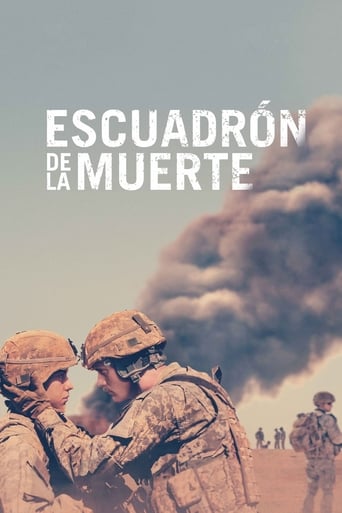
Escuadrón de la muerte
2019 · Película

Tiempos De Gloria
1989 · Película
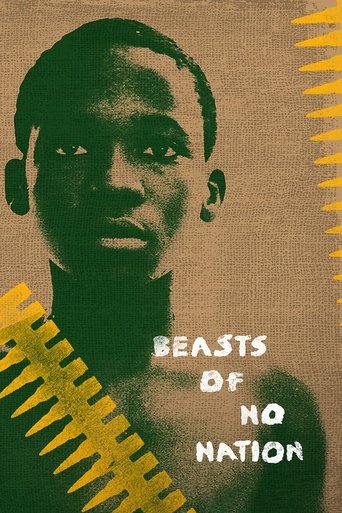
Bestias sin Patria
2015 · Película
Similares

Contagio
2011 · Película

INFINIT3
2025 · Película

World of Tomorrow
2015 · Película

Lap Dance
2014 · Película

La dama de oro
2015 · Película
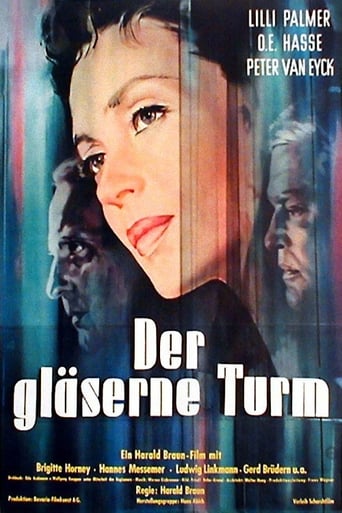
Der gläserne Turm
1957 · Película

ただ、君を愛してる
2006 · Película

I Miss You, Hugs and Kisses
1978 · Película
Princess Ka'iulani
2010 · Película

บางระจัน
2000 · Película
لخضر بن خلوف
— · Película

Home
— · Película

Born for Hell
1976 · Película

KZ9: Lager di Sterminio
1977 · Película