


El célebre ladrón de arte Crunch Calhoun intenta mantenerse alejado de la vida criminal, pero una oportunidad difícil de rechazar lo lleva a contactar a su antigua banda para dar un último gran golpe.
Reparto

Kurt Russell
Crunch Calhoun
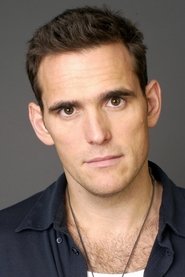
Matt Dillon
Nicky Calhoun

Jay Baruchel
Francie
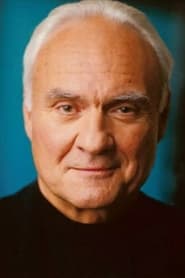
Kenneth Welsh
'Uncle' Paddy MacCarthy
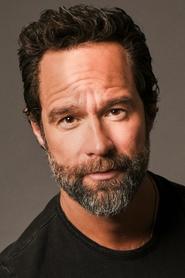
Chris Diamantopoulos
Guy de Cornet

Katheryn Winnick
Lola
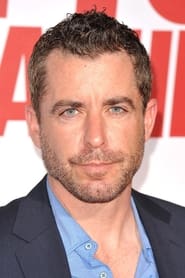
Jason Jones
Interpol Agent Bick
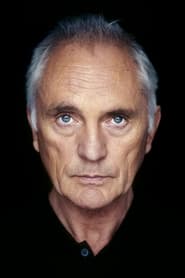
Terence Stamp
Samuel Winter

Devon Bostick
Ponch

Karyn Dwyer
Ginger
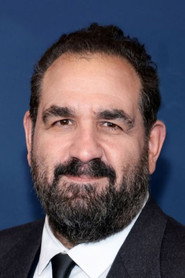
Joe Pingue
Carmen

Stephen McHattie
Dirty Ernie
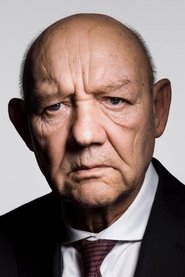
Eugene Lipinski
Bartkowiak

Elle Downs
Female Border Guard
Dónde ver
Alquiler
 Apple TV Store
 Rakuten TV
 Amazon Video
Compra
Apple TV StoreRakuten TVAmazon VideoFicha técnica
- Título original
- The Art of the Steal
- Idiomas
- English
- Países
- Canada, United States of America
- Productoras
- Darius Films| Entertainment One| Téléfilm Canada| Astral Media| The Weinstein Company| Stage 6 Films
- Recaudación
- USD 64,065
Críticas
(CASTELLANO) Esta película me ha entretenido bastante más de lo que esperaba. Y eso, en una película de atracos, ya es una pequeña victoria. Porque al principio parece que sabemos perfectamente qué vamos a ver. Un grupo de ladrones. Una obra valiosa. Un último golpe. Viejas rencillas. Un plan complicado. Y Kurt Russell reuniendo otra vez a gente con la que probablemente no debería volver a trabajar. Nada especialmente nuevo. Pero poco a poco la película empieza a jugar con algo bastante más divertido: te cuenta una cosa mientras está haciendo otra. Y ahí es donde empieza a funcionar de verdad. El género de atracos siempre ha vivido del engaño. No solamente del que los personajes realizan dentro de la historia. También del que la película hace con nosotros. Nos enseñan un plan. Nos explican cómo debería funcionar. Nos distraen con una dificultad. Algo sale mal. O parece salir mal. Y cuando creemos haber entendido lo que ocurre, descubrimos que estábamos mirando exactamente donde querían que mirásemos. El arte de robar entiende bastante bien ese juego. No siempre es brillante. Ni muchísimo menos. Hay partes de la trama que pueden resultar confusas y algunos giros se ven venir. Pero tiene suficiente sentido del humor y suficiente ritmo como para que me dé bastante igual. Y luego está Kurt Russell. Ahí reconozco que soy poco objetivo. Me encanta. Siempre me ha encantado. Es uno de mis héroes de acción de los ochenta y pertenece a esa generación de actores cuya presencia ya me coloca automáticamente de mejor humor. Snake Plissken. Jack Burton. MacReady. Tango. Puede que aquí Crunch Calhoun esté varios escalones por debajo de cualquiera de ellos, pero sigue siendo Kurt Russell. Y eso para mí cuenta. Además, este tipo de personaje le va perfectamente. Crunch es un ladrón veterano que ya ha recibido suficientes golpes como para saber que probablemente debería retirarse, pero sigue teniendo esa mezcla de orgullo, cansancio y entusiasmo que hace inevitable que vuelva a meterse en problemas. Russell sabe hacerlo sin esfuerzo. Tiene presencia. Tiene humor. Tiene esa forma de parecer relajado incluso cuando todo se está complicando. Y, sobre todo, no necesita demostrar constantemente que es el protagonista. Eso ayuda muchísimo al reparto. Matt Dillon funciona muy bien como Nicky precisamente porque tiene una energía distinta. Es más nervioso. Más egoísta. Más difícil de confiar. Y entre los dos existe una relación que añade algo de fondo a todo el juego de engaños. No se trata únicamente de robar una obra. También hay cuentas pendientes. Traiciones anteriores. Desconfianza. Y la pregunta constante de quién está preparando algo contra quién. Jay Baruchel aporta además el punto de ingenuidad necesario. Su Francie está metido entre delincuentes profesionales sin terminar de asumir que Interpol, las fronteras y la cárcel son cosas reales que pueden arruinarle la vida. Algunas de sus escenas son probablemente las más divertidas. También me gusta Terence Stamp. Tiene poco que hacer comparado con Russell o Dillon, pero posee tanta presencia que basta con dejarle hablar unos minutos sobre arte para que la película parezca momentáneamente mejor de lo que es. Y ahí aparece otra cosa interesante. Para ser una comedia de ladrones bastante ligera, la película siente cierto cariño por aquello que están robando. El arte no es solamente una excusa para mover la trama. Hay falsificaciones. Originales. Copias. Valor económico. Valor emocional. Y constantemente volvemos a la misma idea: ¿qué es auténtico y qué no? Eso conecta perfectamente con el propio funcionamiento de la película. Porque aquí prácticamente todo puede ser una falsificación. Un cuadro. Un plan. Una alianza. Una traición. Incluso la historia que creemos que estamos viendo. Jonathan Sobol intenta claramente acercarse al tono de Guy Ritchie. Montaje rápido. Personajes excéntricos. Rótulos. Narraciones. Criminales simpáticos. Planes que se cruzan. Diálogos rápidos. Se nota muchísimo. Y la película nunca alcanza la precisión ni la mala leche de los mejores Ritchie. Pero tampoco me importa demasiado. Porque consigue algo más sencillo: divertirme. A veces una película de atracos no necesita reinventar el género. Necesita buenos personajes. Un reparto que tenga química. Un plan suficientemente retorcido. Un par de engaños bien colocados. Y la sensación de que todos los implicados se lo están pasando estupendamente. Aquí la hay. No es una gran película. Probablemente tampoco sea especialmente memorable. Pero funciona. Y además dura alrededor de hora y media, algo que en este tipo de comedia debería ser obligatorio. Entra. Monta el golpe. Te engaña unas cuantas veces. Deja que Kurt Russell haga de Kurt Russell. Y se marcha. Perfecto. Quizá precisamente por eso me ha gustado más de lo esperado. Porque mientras yo pensaba que estaba viendo una película sobre robar arte, la película estaba intentando robarme otra cosa: la atención. Y durante hora y media lo consiguió bastante bien. (ENGLISH) This film entertained me much more than I expected. For a heist movie, that is already a small victory. At first, it seems obvious what we are getting. A group of thieves. A valuable object. One final job. Old grudges. A complicated plan. And Kurt Russell getting involved again with people he probably should never trust. Nothing particularly new. But gradually the movie begins playing a much more enjoyable game: it tells you one thing while actually doing another. That is where it really starts to work. Heist movies have always depended on deception. Not only the deception carried out by the characters. The movie itself has to deceive us. We are shown a plan. We are told how it should work. A problem appears. Something goes wrong. Or seems to. And just when we think we understand what is happening, we discover that we were looking exactly where the film wanted us to look. The Art of the Steal understands that game quite well. It is not always brilliant. Far from it. Parts of the plot can become confusing and some twists are easier to anticipate than others. But there is enough humor and momentum that I rarely cared. And then there is Kurt Russell. I admit I am not remotely objective about him. I love the guy. Always have. He is one of my action heroes from the 1980s, part of that generation of actors whose mere presence immediately makes a movie more appealing to me. Snake Plissken. Jack Burton. MacReady. Tango. Crunch Calhoun may be several levels below any of those characters, but he is still Kurt Russell. That matters to me. And this kind of role suits him perfectly. Crunch is a veteran thief who has taken enough punishment to know that retirement would probably be sensible, yet still has the mixture of pride, exhaustion and enthusiasm that makes another bad idea inevitable. Russell makes it look effortless. He has presence. Comic timing. That relaxed quality even when everything around him is going wrong. Most importantly, he never seems desperate to prove that he is the star. That helps the ensemble enormously. Matt Dillon works well as Nicky because his energy is completely different. More nervous. More selfish. Much harder to trust. Their relationship adds something underneath all the tricks. This is not simply about stealing an object. There are old betrayals. Resentments. Suspicion. And the constant question of who may be setting up whom. Jay Baruchel provides the necessary innocence. His Francie has somehow found himself among professional criminals without fully processing that Interpol, borders and prison are all very real things that could ruin his life. Some of his scenes are among the funniest. I also enjoy Terence Stamp. He has relatively little to do compared with Russell or Dillon, but he has enough presence that simply letting him talk about art for a few minutes temporarily makes the movie feel richer than it really is. That introduces another interesting element. For such a lightweight crime comedy, the film has genuine affection for the things being stolen. Art is not simply an excuse for the plot. There are originals. Forgeries. Copies. Financial value. Emotional value. And the movie keeps returning to the same question: what is authentic and what is fake? That fits the structure perfectly. Because almost anything here can be a forgery. A painting. A plan. An alliance. A betrayal. Even the story we think we are watching. Jonathan Sobol is clearly borrowing from Guy Ritchie. Fast editing. Eccentric criminals. On-screen titles. Voiceover. Wisecracks. Schemes within schemes. The influence is obvious. And the movie never achieves the precision or bite of Ritchie's best work. But I did not really mind. Because it achieves something simpler: it entertains me. Sometimes a heist movie does not need to reinvent the genre. It needs good characters. A cast with chemistry. A sufficiently complicated scheme. A few well-placed deceptions. And the feeling that everyone involved is having a great time. This one has that. It is not a great movie. It probably is not especially memorable either. But it works. And it lasts around ninety minutes, which should practically be mandatory for this kind of comedy. It arrives. Sets up the job. Tricks you a few times. Lets Kurt Russell be Kurt Russell. And leaves. Perfect. Maybe that is exactly why I enjoyed it more than expected. While I thought I was watching a movie about stealing art, the movie was actually trying to steal something else: my attention. For ninety minutes, it did a pretty good job.
Recomendadas

60 Segundos
2000 · Película

Thunderbolt and Lightfoot
1974 · Película

Equipo Demolición
2026 · Película

La Deuda 2
2020 · Película

Hermanos
2024 · Película

Get Fast
2024 · Película

Sed de poder
1984 · Película

El último encargo
2025 · Película

Perros de Reserva
1992 · Película

Robo Entre Ladrones
2022 · Película

Parker
2013 · Película

Asalto al tren del dinero
1995 · Película

Tiempos Violentos
1994 · Película

Arrastrados por el concreto
2019 · Película
Similares

Rififí
1955 · Película

Arma Mortal
1987 · Película

Arma Mortal 2
1989 · Película

Harry, el sucio
1971 · Película

Tsotsi
2005 · Película

Buscada
2020 · Película
Sherlock Jr.
1924 · Película

Juegos macabros
1972 · Película

Perros de paja
1971 · Película

Valiente
2007 · Película

Enemigo íntimo
1997 · Película
തൊണ്ടിമുതലും ദൃക്സാക്ഷിയും
2017 · Película

Camino a la Perdicion
2002 · Película

女士復仇
2017 · Película