


Ambientada en 1980, cuenta la historia de Juan y Pedro, dos policías ideológicamente opuestos que trabajan en el departamento de homicidios de Madrid y que, como sanción, son destinados a un pequeño pueblo en las marismas del Guadalquivir. Allí tratarán de resolver el caso de dos adolescentes, que fueron brutalmente asesinadas durante las fiestas del pueblo. Los agentes deberán dejar de lado sus diferencias para dar con el peligroso asesino de las chicas, el cual lleva años matando a jóvenes de los alrededores. Una investigación que a los aldeanos no les parece interesar, pues es un pueblo anclado en el pasado y las mujeres están menospreciadas.
Reparto
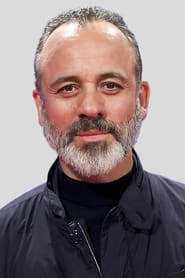
Javier Gutiérrez
Juan

Raúl Arévalo
Pedro
María Varod
Trinidad
Perico Cervantes
Padre Trinidad
Jesús Ortiz
Andrés

Jesús Carroza
Miguel

Salva Reina
Jesús
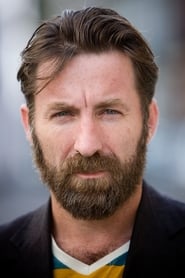
Antonio de la Torre
Rodrigo
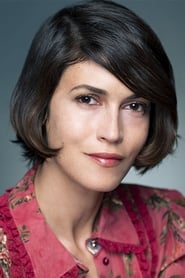
Nerea Barros
Rocío

Ana Tomeno
Marina
Paula Palacios
Niña 1
Claudia Ubreva
Niña 2
Lucía Arias
Niña 3
Chelo Castro
Niña 4
Dónde ver
Suscripción
 Amazon Prime Video
 Movistar Plus+
 HBO Max
 Amazon Prime Video with Ads
 HBO Max Amazon Channel
Alquiler
 Apple TV Store
 Rakuten TV
 Amazon Video
Compra
Apple TV StoreRakuten TVAmazon VideoFicha técnica
- Idiomas
- Español, Türkçe
- Países
- Spain
- Productoras
- Sacromonte Films| Atípica Films| Atresmedia Cine
- Presupuesto
- USD 4,000,000
- Recaudación
- USD 5,169,755
Cifras en dólares, según TMDb.
Críticas
(CASTELLANO) Un crimen en un país que todavía no había limpiado sus heridas Desde las primeras imágenes aéreas de las marismas queda claro que el paisaje no va a ser únicamente un decorado. Es bello, extraño y casi abstracto, pero también transmite aislamiento, humedad y una sensación de podredumbre que encaja perfectamente con lo que Alberto Rodríguez quiere contar. La isla mínima funciona muy bien como thriller policial, pero lo que la hace especialmente interesante es que la investigación de unas desapariciones termina retratando también una España que oficialmente está cambiando y que, sin embargo, conserva demasiadas cosas del pasado. La pareja formada por Javier Gutiérrez y Raúl Arévalo es fundamental. Pedro representa una policía que pretende pertenecer a una democracia nueva; Juan arrastra métodos, silencios y un pasado relacionado con la represión franquista. Rodríguez no convierte esa diferencia en discursos constantes. Está en las miradas, en la forma de interrogar, en cómo cada uno entiende la violencia y en todo aquello que uno sabe del otro pero decide no decir. Javier Gutiérrez resulta especialmente inquietante porque Juan puede ser eficaz, incluso cercano por momentos, sin que desaparezca nunca la sospecha sobre quién fue realmente. La investigación está construida con paciencia y sin necesidad de convertir cada descubrimiento en un gran espectáculo. Las jóvenes desaparecidas permiten descubrir un mundo de machismo, explotación, miedo, caciquismo y personas que saben más de lo que cuentan. Álex Catalán fotografía las marismas de una forma extraordinaria y Julio de la Rosa acompaña con una música que aumenta esa sensación de amenaza constante. Hay algo casi enfermizo en el ambiente: carreteras interminables, campos, lluvia, casas aisladas y un pueblo en el que parece que todos conocen una parte de la verdad. Precisamente por eso me resultó algo extraño que, al ir cerrándose el caso, la responsabilidad directa pareciera concentrarse tanto en el guarda y Quini. La película ha construido una sensación de red mucho mayor, y esperaba que el alcance criminal fuese también más amplio. Pero pensándolo después, creo que ahí está parte de lo que quiere decir: una cosa son quienes participan directamente en los crímenes y otra el entorno que permite que sucedan. El silencio, la explotación de las chicas, el poder de determinados hombres y el miedo de quienes prefieren no hablar forman una complicidad mucho más difícil de detener que la de dos culpables concretos. Y es ahí donde el final adquiere toda su fuerza. El caso puede quedar aparentemente encaminado hacia una resolución, pero queda otra pregunta mucho más incómoda: qué ocurre con quienes cometieron atrocidades antes de que comenzara esta nueva España y simplemente continuaron ocupando su sitio. Ese "¿Todo en orden, no?" es demoledor porque resume la verdadera oscuridad de la película. Puede resolverse un asesinato, pero no se ha resuelto el pasado del país. Pedro sabe ya qué clase de hombre tiene al lado y también sabe que probablemente no ocurrirá absolutamente nada. Por eso me parece mucho más que un buen policíaco. Alberto Rodríguez utiliza las reglas del género para hablar de la Transición sin convertir la película en una lección de historia. El crimen, el paisaje, la explotación de las mujeres, las diferencias sociales y el pasado de Juan forman parte de la misma atmósfera. Quizá esperaba que la trama criminal desembocara en una red mayor, pero el verdadero sistema que muestra la película era todavía más grande: un país donde muchas cosas habían cambiado de nombre antes de haber cambiado de verdad. Oscura, magníficamente fotografiada, muy bien interpretada y con un final que deja bastante más inquietud que alivio. (ENGLISH) A crime in a country that had not yet healed its wounds From the first aerial images of the marshlands, it is clear that the landscape will be much more than a setting. It is beautiful, strange and almost abstract, but it also conveys isolation, dampness and a sense of decay that perfectly matches what Alberto Rodríguez wants to tell. Marshland works extremely well as a police thriller, but what makes it particularly interesting is that the investigation into several disappearances also becomes a portrait of a Spain that is officially changing while still carrying far too much of its past. The pairing of Javier Gutiérrez and Raúl Arévalo is essential. Pedro represents a police force that wants to belong to a new democracy; Juan carries methods, silences and a past connected to Francoist repression. Rodríguez does not turn that difference into constant speeches. It is there in the looks, in the interrogations, in the way each man understands violence and in everything one knows about the other but chooses not to say. Javier Gutiérrez is particularly unsettling because Juan can be efficient, even likeable at times, without the suspicion about who he really was ever disappearing. The investigation is built patiently and without turning every discovery into a spectacle. The missing girls reveal a world of sexism, exploitation, fear, local power and people who know far more than they are willing to say. Álex Catalán photographs the marshlands extraordinarily well, while Julio de la Rosa's music increases that constant feeling of threat. There is something almost diseased about the atmosphere: endless roads, fields, rain, isolated houses and a town where everyone seems to know one piece of the truth. That is precisely why I found it slightly strange that, as the case begins to close, direct responsibility seems to become so concentrated around the gamekeeper and Quini. The film has created the feeling of a much larger network, and I expected the criminal reach to be wider as well. But thinking about it afterwards, I believe that is part of its point: one thing is the people directly involved in the crimes and another is the environment that allows them to happen. Silence, the exploitation of the girls, the power held by certain men and the fear of those who prefer not to speak create a complicity far harder to stop than that of two specific culprits. And that is where the ending gains all its force. The case may apparently be moving towards a resolution, but another far more uncomfortable question remains: what happens to those who committed atrocities before this new Spain began and simply continued occupying their place? That final "Everything in order, right?" is devastating because it sums up the film's real darkness. A murder may be solved, but the country's past has not been. Pedro now knows what kind of man is standing beside him, and he also knows that probably nothing at all will happen. That is why I see it as much more than a very good police film. Alberto Rodríguez uses the rules of the genre to talk about the Transition without turning the film into a history lesson. The crime, the landscape, the exploitation of women, social differences and Juan's past all belong to the same atmosphere. I may have expected the criminal plot to uncover a larger network, but the real system exposed by the film was even bigger: a country where many things had changed their names before they had truly changed. Dark, beautifully photographed, superbly acted and ending with far more unease than relief.
Recomendadas

Besos que matan
1997 · Película

Legado en los huesos
2019 · Película
Frente a frente
2008 · Película

Te veo
2019 · Película

Zona De Impacto
1993 · Película
Susurran tu nombre
2026 · Película

Cult Killer
2024 · Película

Muti: Rituales Mortales
2023 · Película

El guardián invisible
2017 · Película

Pequeños Secretos
2021 · Película

Cazador de Silencio
2020 · Película

En la cuerda floja
1984 · Película

Sin rastro alguno
2007 · Película

La casa torcida
2017 · Película
Similares

The Mask of Diijon
1946 · Película

5150, rue des Ormes
2009 · Película

สี่แพร่ง
2008 · Película

Ripley Under Ground
2007 · Película

The Truth
2010 · Película

Web Cam Girls
2017 · Película

El Heroe y el Terror
1988 · Película

心理罪之城市之光
2017 · Película

The Human Factor
1979 · Película

Den of Lions
2003 · Película

Confessions of a Psycho Killer
2023 · Película

Dödlig Natt
2024 · Película

Interstate
2007 · Película
The Climax
1944 · Película