


Clare (Rachel McAdams) ha estado siempre enamorada de Henry (Eric Bana), un bibliotecario de Chicago. Está convencida de que están destinados a vivir juntos, aunque no sepa cuándo tendrán que volver a separarse: Henry es un viajero del tiempo, con una rara anomalía genética que lo condena a vivir su vida en una escala de tiempo cambiante, avanzando y retrocediendo a través de los años sin ningún control. A pesar de que los viajes de Henry son tan imprevisibles que Clare nunca sabe cuándo volverán a verse, intenta desesperadamente adaptarse a esa vida, pues lo que sí sabe es que no podría vivir sin Henry.
Reparto
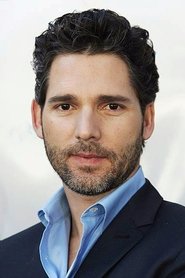
Eric Bana
Henry DeTamble
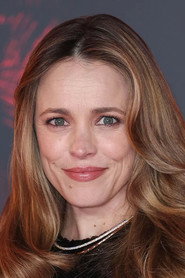
Rachel McAdams
Clare Abshire
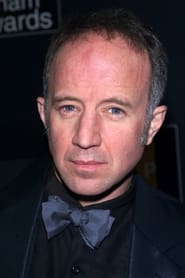
Arliss Howard
Richard DeTamble
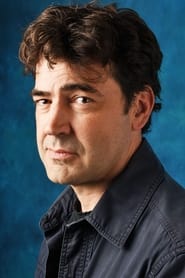
Ron Livingston
Gomez
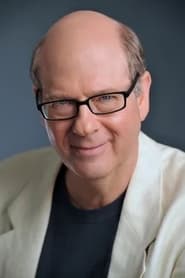
Stephen Tobolowsky
Dr. Kendrick

Michelle Nolden
Annette DeTamble

Jane McLean
Charisse
Hailey McCann
Alba at Nine and Ten

Tatum McCann
Alba at Four and Five

Brooklynn Proulx
Clare at Six and Eight

Alex Ferris
Henry at Six

Brian Bisson
Mark Abshire

Maggie Castle
Alicia Abshire

Fiona Reid
Lucille Abshire
Dónde ver
Suscripción
 Netflix
 Netflix Standard with Ads
Alquiler
 Amazon Video
Compra
Amazon VideoFicha técnica
- Título original
- The Time Traveler's Wife
- Idiomas
- English
- Países
- United States of America
- Productoras
- New Line Cinema| Plan B Entertainment| Nick Wechsler Productions
- Presupuesto
- USD 39,000,000
- Recaudación
- USD 101,344,412
Cifras en dólares, según TMDb.
Críticas
(CASTELLANO) Hay historias románticas que funcionan porque uno cree en la pareja, y otras que funcionan porque consiguen convertir el tiempo compartido en algo casi físico. Más allá del tiempo pertenece a ese segundo grupo. Su premisa fantástica puede ser absurda si se mira con lupa, pero la película no necesita que aceptemos una teoría perfecta sobre los viajes temporales. Lo que necesita es que aceptemos una idea mucho más sencilla y dolorosa: amar a alguien también significa saber que nunca podremos controlar cuánto tiempo tendremos con esa persona. Robert Schwentke dirige la historia con una suavidad que, por momentos, roza el melodrama más clásico. Hay música emotiva, encuentros cargados de destino y una puesta en escena que busca claramente el sentimiento. Pero, contra lo que podría parecer, la película me funcionó precisamente porque debajo de esa capa romántica hay una idea bastante dura: la vida se construye alrededor de cosas que no podemos dominar. Eric Bana interpreta a Henry con una mezcla muy eficaz de resignación, humor y tristeza. Su personaje vive atrapado en una condición que lo expulsa de la continuidad normal de la vida. No puede elegir siempre dónde estar ni cuándo estar, y eso convierte algo que en otra película podría ser un poder extraordinario en una forma de vulnerabilidad. Bana no necesita exagerar esa angustia; le basta con transmitir la sensación de alguien que ha aprendido a vivir con lo imprevisible. Rachel McAdams aporta la otra mitad del conflicto. Clare no vive el tiempo de la misma forma, y ahí está una de las mejores ideas de la película: para uno, la existencia es fragmentaria; para la otra, es una espera hecha de continuidad, memoria y ausencia. La relación funciona porque ambos actores consiguen que esa diferencia no parezca un simple truco de guion, sino una verdadera dificultad emocional. La película también plantea algo muy bonito sobre el amor: no basta con querer a alguien para poder protegerlo de todo. Hay circunstancias que no se negocian, momentos que no se pueden aplazar y pérdidas que no pueden evitarse solo porque uno ame con suficiente intensidad. Esa impotencia es probablemente lo que más me llegó. A medida que avanza, la historia deja de ser únicamente una fantasía romántica y empieza a hablar con más fuerza de familia, de responsabilidad y de la necesidad de aprovechar lo que sí tenemos mientras está ahí. En ese punto la película me tocó muchísimo más de lo que esperaba. La idea del tiempo deja de ser una curiosidad narrativa y se convierte en algo íntimo: el miedo a no estar, a perder momentos, a no poder acompañar a quienes quieres durante todo el camino. Y ahí aparece una dimensión que para mí pesa muchísimo: la relación entre padres e hijos. La película entiende que querer a un hijo modifica por completo la manera de pensar el tiempo. De repente, cada año importa de otra forma, cada ausencia duele de otra manera y el deseo de permanecer deja de ser abstracto. Esa parte fue la que terminó rompiéndome emocionalmente. La música también está muy bien utilizada. Hay elecciones que, al principio, pueden parecer irónicas o incluso extrañas y que después adquieren un sentido distinto cuando uno comprende mejor el tono de la historia. Esa relectura posterior me gusta mucho porque hace que algunos detalles crezcan una vez terminada la película. No todo es perfecto. La lógica temporal tiene agujeros y paradojas que no resisten demasiado análisis. Hay momentos en los que el guion pide aceptar reglas algo arbitrarias y otros en los que el sentimentalismo se acerca peligrosamente a lo empalagoso. Si uno entra buscando ciencia ficción rigurosa, probablemente salga frustrado. Pero creo que juzgarla principalmente desde ahí sería equivocarse de película. La ciencia ficción es el mecanismo, no el centro. Lo importante es lo que permite expresar: la fragilidad de una relación cuando el tiempo no pertenece del todo a ninguno de los dos, la angustia de querer quedarse y no poder hacerlo siempre, y la forma en que el amor continúa organizando la vida incluso cuando la presencia no está garantizada. También me gusta que no convierta el destino en algo grandilocuente. Lo doloroso nace muchas veces de lo cotidiano, de lo banal, de las pequeñas decisiones y de la sensación de que la vida puede cambiar sin ceremonias. Esa mezcla entre lo extraordinario y lo doméstico hace que la película, pese a su premisa fantástica, termine resultando muy humana. Más allá del tiempo no es una obra maestra perfecta ni necesita serlo. Es una película romántica, sentimental y a veces ingenua, pero también sincera, triste y profundamente consciente de que amar a alguien significa aceptar que el tiempo nunca será suficiente. Y cuando una película consigue que uno termine llorando sin poder parar, ya ha dejado de ser solo una historia bien contada: ha encontrado un lugar personal desde el que doler. (ENGLISH) Some romantic stories work because we believe in the couple, while others work because they manage to make shared time feel almost physical. The Time Traveler's Wife belongs to the second group. Its fantasy premise may seem absurd if examined too closely, but the film does not need us to accept a perfect theory of time travel. It needs us to accept a much simpler and more painful idea: loving someone also means knowing that we can never control how much time we will have with that person. Robert Schwentke directs the story with a softness that sometimes approaches classic melodrama. There is emotional music, a strong sense of destiny and a visual style clearly designed to reach the heart. Yet the film worked for me precisely because beneath that romantic surface lies a fairly harsh idea: life is built around things we cannot control. Eric Bana plays Henry with an effective mixture of resignation, humor and sadness. His character is trapped by a condition that pushes him outside the normal continuity of life. He cannot always choose where or when to be, turning what might look like an extraordinary power in another film into a form of vulnerability. Bana does not need to exaggerate that anguish; he simply conveys someone who has learned to live with unpredictability. Rachel McAdams provides the other half of the conflict. Clare does not experience time in the same way, and that is one of the film's best ideas: for one person, existence is fragmented; for the other, it is a continuous experience shaped by memory, waiting and absence. The relationship works because both actors make that difference feel like a genuine emotional difficulty rather than a mere screenplay trick. The film also says something beautiful about love: wanting someone deeply is not enough to protect them from everything. Some circumstances cannot be negotiated, some moments cannot be postponed, and some losses cannot be prevented simply because we love hard enough. That helplessness is probably what affected me most. As it moves forward, the story stops being only a romantic fantasy and begins to speak more strongly about family, responsibility and the need to value what we have while it is still present. At that point the film affected me far more than I expected. Time stops being a narrative curiosity and becomes something intimate: the fear of not being there, of missing moments, of being unable to accompany the people you love for the whole journey. And there is another dimension that carries enormous weight for me: the bond between parents and children. The film understands that loving a child completely changes the way we think about time. Suddenly every year matters differently, every absence hurts differently, and the desire to remain is no longer abstract. That was the part that finally broke through all my defenses. The music is also used very effectively. Some choices may initially seem ironic or even strange, only to acquire a different meaning once the tone of the story becomes clearer. I like that kind of retrospective re-reading because it allows small details to grow after the film is over. Not everything is perfect. The time-travel logic has holes and paradoxes that do not survive much scrutiny. There are moments when the screenplay asks us to accept fairly arbitrary rules, and others when the sentimentality comes dangerously close to becoming sugary. Anyone approaching it as rigorous science fiction will probably be frustrated. But I think judging it mainly from that angle would mean misunderstanding the film. Science fiction is the mechanism, not the center. What matters is what that mechanism allows the story to express: the fragility of a relationship when time does not entirely belong to either person, the pain of wanting to stay and not always being able to, and the way love keeps organizing a life even when presence is never guaranteed. I also like that destiny is not treated as something grandiose. Pain often grows out of ordinary things, banal moments, small decisions and the awareness that life can change without ceremony. That combination of the extraordinary and the domestic makes the film, despite its fantasy premise, feel deeply human. The Time Traveler's Wife is not a perfect masterpiece and does not need to be. It is romantic, sentimental and sometimes naive, but also sincere, sad and deeply aware that loving someone means accepting that time will never be enough. And when a film leaves you crying uncontrollably by the end, it has stopped being merely a well-told story: it has found a personal place from which to hurt.
Recomendadas

Hola, adiós y todo lo que pasó
2022 · Película

Difícil de romper
2009 · Película

Todo lo que nunca fuimos
2026 · Película

Sigue mi voz
2025 · Película

Los puentes de Madison
1995 · Película

Yo Antes de Ti
2016 · Película

Mil veces hasta siempre
2024 · Película

El objeto de mi afecto
1998 · Película

La posibilidad estadística del amor a primera vista
2023 · Película

Almas gemelas
2015 · Película

En nombre del amor
2016 · Película

Siempre el mismo día
2011 · Película

Nunca me abandones (Never Let Me Go)
2010 · Película

Comer, Rezar, Amar
2010 · Película
Similares

El joven manos de tijera
1990 · Película

La Boum
1980 · Película

La Boum 2
1982 · Película

Die Ungewollten – Die Irrfahrt der St. Louis
2019 · Película

La nage indienne
1993 · Película

The Girl from the Song
2017 · Película

Mistrz tańca
1969 · Película

Tom y Jerry: Willy Wonka y la fábrica de chocolates
2017 · Película

Skænderier
2025 · Película

Milea: Suara dari Dilan
2020 · Película

Querido Theo
2024 · Película

Me llamo Loh Kiwan
2024 · Película

Dos extraños amantes
1977 · Película

La malvada
1950 · Película