
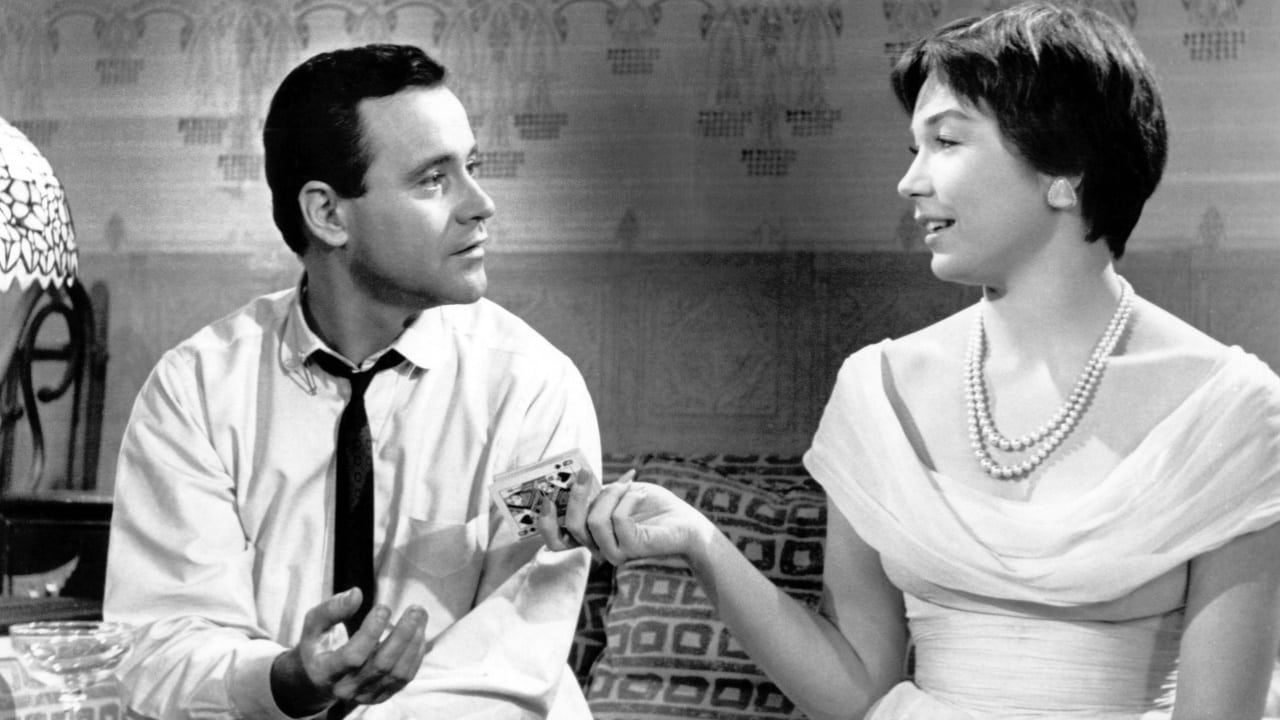

C.C. Baxter es un modesto pero ambicioso empleado de una compañía de seguros de Manhattan. Está soltero y vive solo en un discreto apartamento que presta ocasionalmente a sus superiores para sus citas amorosas. Tiene la esperanza de que estos favores le sirvan para mejorar su posición en la empresa. Pero la situación cambia cuando se enamora de una ascensorista que resulta ser la amante de uno de los jefes que usan su apartamento.
Reparto
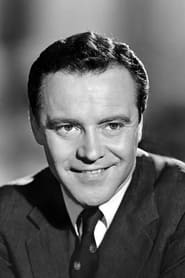
Jack Lemmon
C.C. Baxter

Shirley MacLaine
Fran Kubelik

Fred MacMurray
Jeff D. Sheldrake

Ray Walston
Joe Dobisch
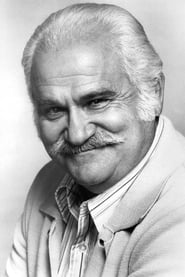
Jack Kruschen
Dr. Dreyfuss

David Lewis
Al Kirkeby
Hope Holiday
Margie MacDougall

Joan Shawlee
Sylvia

Naomi Stevens
Mrs. Mildred Dreyfuss

Johnny Seven
Karl Matuschka

Joyce Jameson
The Blonde

Willard Waterman
Mr. Vanderhoff
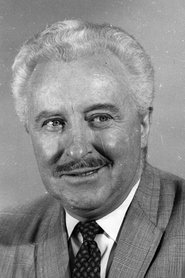
David White
Mr. Eichelberger

Edie Adams
Miss Olsen
Dónde ver
Suscripción
 Filmin
 MGM Plus Amazon Channel
Alquiler
 Apple TV Store
 Rakuten TV
 Amazon Video
Compra
Apple TV StoreRakuten TVAmazon VideoFicha técnica
- Título original
- The Apartment
- Idiomas
- English
- Países
- United States of America
- Productoras
- The Mirisch Company
- Presupuesto
- USD 3,000,000
- Recaudación
- USD 25,000,000
Cifras en dólares, según TMDb.
Críticas
(CASTELLANO) La comedia puede ser mucho más cruel que el drama cuando se limita a mirar con suficiente atención. Eso es lo que hace Billy Wilder aquí: parte de una premisa casi ligera, incluso picaresca, y poco a poco deja al descubierto un mundo de soledad, oportunismo, abuso de poder y respetabilidad de fachada. Jack Lemmon está extraordinario porque C. C. Baxter nunca es solo el pobre tipo simpático que se deja utilizar. Hay ambición, cobardía, ternura y una necesidad desesperada de ser aceptado. Su apartamento se convierte en la representación perfecta de todo lo que está dispuesto a ceder para avanzar: primero un espacio físico, después su tiempo y, en el fondo, una parte de su dignidad. Shirley MacLaine aporta la otra mitad de la película. Fran Kubelik podría haber quedado reducida al típico interés romántico, pero Wilder y MacLaine construyen a una mujer mucho más triste, vulnerable y consciente de lo que ocurre a su alrededor. Su dolor nunca parece una simple herramienta del guion; tiene peso propio y convierte una historia que podría haber sido una sátira laboral en algo mucho más humano. La relación entre ambos funciona precisamente porque no nace de una idealización. Son dos personas solitarias, bastante dañadas y atrapadas en estructuras que les dicen constantemente qué deben aceptar para seguir adelante. Esa cercanía hace que los momentos cómicos y los más amargos no parezcan pertenecer a películas distintas. Lo que más me impresionó fue la crítica a la falsa respetabilidad. Los hombres que ocupan posiciones de poder mantienen una apariencia impecable mientras utilizan a quienes tienen por debajo, tanto en lo profesional como en lo sentimental. Wilder retrata una sociedad en la que la familia ejemplar, el éxito empresarial y las buenas maneras pueden convivir perfectamente con la mentira, la manipulación y una enorme falta de escrúpulos. Ahí está también la fuerza de la oficina. Ese espacio gigantesco, lleno de mesas idénticas y trabajadores casi intercambiables, convierte la ambición en una maquinaria. Baxter quiere subir, pero cuanto más avanza más claro resulta que ascender significa parecerse a quienes ya están arriba. La película no necesita discursos: basta con observar quién manda, quién obedece y qué precio tiene cada favor. Y, sin embargo, nunca se vuelve un sermón. Wilder mantiene un humor finísimo, a veces absurdo, otras veces cruel, y consigue que una situación pueda provocar una sonrisa y dejar un poso tristísimo segundos después. Esa mezcla es dificilísima de controlar y aquí parece natural. Fred MacMurray también está magnífico porque evita convertir a Sheldrake en un villano de opereta. Lo inquietante es justo lo contrario: su comportamiento está integrado en una normalidad social que lo protege. Puede resultar amable, razonable y respetable mientras actúa con un egoísmo devastador. Esa contradicción hace que la película siga sintiéndose incómodamente moderna. También me ha sorprendido lo bien que ha envejecido. Cambian los códigos sociales y los decorados, pero siguen siendo reconocibles la explotación laboral, las relaciones desiguales, los ascensos conseguidos por favores, la gente que mantiene una imagen pública irreprochable mientras destruye a otros en privado y esa necesidad de decidir qué clase de persona quieres ser cuando el sistema premia justo lo contrario. El apartamento me ha gustado muchísimo. Es romántica sin ser ingenua, divertida sin esconder su tristeza y crítica sin perder ternura. Jack Lemmon y Shirley MacLaine están maravillosos, pero lo que realmente la eleva es la manera en que Billy Wilder convierte una comedia sobre favores y adulterios en una mirada feroz sobre la dignidad, la soledad y la hipocresía. Una película de 1960 que no se siente vieja: se siente dolorosamente humana. (ENGLISH) Comedy can be far crueler than drama when it simply looks closely enough. That is what Billy Wilder does here: he begins with an almost light, even mischievous premise and gradually exposes a world of loneliness, opportunism, abuse of power and respectable appearances. Jack Lemmon is extraordinary because C. C. Baxter is never just the likable poor guy who lets himself be used. There is ambition, cowardice, tenderness and a desperate need to be accepted. His apartment becomes the perfect representation of everything he is willing to give up in order to move forward: first a physical space, then his time and, underneath it all, part of his dignity. Shirley MacLaine provides the other half of the film. Fran Kubelik could easily have been reduced to a conventional romantic interest, but Wilder and MacLaine build a woman who is much sadder, more vulnerable and more aware of what is happening around her. Her pain never feels like a mere screenplay device; it has weight of its own and turns what could have been an office satire into something far more human. Their relationship works precisely because it is not built on idealization. They are two lonely, damaged people trapped inside structures that keep telling them what they must accept in order to get ahead. That closeness allows the comic moments and the bitter ones to belong naturally to the same film. What impressed me most was the attack on false respectability. The men in positions of power maintain impeccable public images while using those beneath them, professionally and emotionally. Wilder portrays a society in which the model family, corporate success and good manners can coexist perfectly well with lies, manipulation and a remarkable lack of scruples. That is also where the office setting becomes so powerful. The enormous room, filled with identical desks and almost interchangeable workers, turns ambition into machinery. Baxter wants to climb, but the further he gets, the clearer it becomes that advancement means resembling the people already above him. The film does not need speeches: it only has to show who commands, who obeys and what every favor costs. And yet it never becomes a lecture. Wilder keeps the humor incredibly fine, sometimes absurd and sometimes cruel, and manages to make a situation provoke a smile before leaving a deeply sad aftertaste seconds later. That balance is extremely difficult to control, and here it feels effortless. Fred MacMurray is excellent too because he prevents Sheldrake from becoming a theatrical villain. What makes him disturbing is the opposite: his behavior is integrated into a social normality that protects him. He can appear pleasant, reasonable and respectable while acting with devastating selfishness. That contradiction is one reason the film still feels uncomfortably modern. I was also struck by how well it has aged. Social codes and office décor change, but workplace exploitation, unequal relationships, favors traded for advancement, people maintaining spotless public images while hurting others in private, and the need to decide what kind of person you want to be when the system rewards the opposite all remain instantly recognizable. The Apartment worked enormously well for me. It is romantic without being naïve, funny without hiding its sadness and critical without losing tenderness. Jack Lemmon and Shirley MacLaine are wonderful, but what truly elevates the film is the way Billy Wilder turns a comedy about favors and adultery into a fierce look at dignity, loneliness and hypocrisy. A film from 1960 that does not feel old; it feels painfully human.
Recomendadas

200 Cigarettes
1999 · Película

Nueva York, te amo
2008 · Película

Café Society
2016 · Película

The Baltimorons
2025 · Película

Dos extraños amantes
1977 · Película

Cuando Harry conoció a Sally
1989 · Película

Once Around
1991 · Película

El bazar de las sorpresas
1940 · Película

Conocerás al hombre de tus sueños
2010 · Película

Sidewalks of New York
2001 · Película

Antes de conocernos
2023 · Película

Cariño, cuánto te odio
2021 · Película

Antes de separarnos
2014 · Película

Un tipo solitario
1984 · Película
Similares

Silent Night, Lonely Night
1969 · Película

Soldiers and Women
1930 · Película
Peacock Alley
1930 · Película

Cuatro habitaciones
1995 · Película

Forrest Gump
1994 · Película

Belleza Americana
1999 · Película

El Ciudadano Kane
1941 · Película

Metrópolis
1927 · Película

男神游戏
2022 · Película

Fenómenos
1932 · Película
El día de la marmota
1993 · Película

Show Me What You Got
2021 · Película

De mendigo a millonario
1983 · Película
Lemming
2005 · Película