


Thomas Richardson llega de incógnito a una isla idílica con la intención de salvar a su hermana de la misteriosa secta que la ha secuestrado. Allí, encontrará una sociedad que tiene sus propias reglas y un secreto terrible. Tras revolucionar el cine de acción con The Raid, Gareth Evans traslada su mirada al Reino Unido de principios del siglo XX.
Reparto
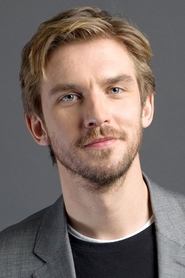
Dan Stevens
Thomas Richardson
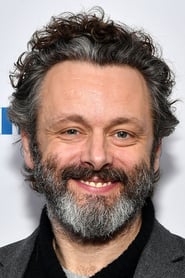
Michael Sheen
Malcolm Howe

Lucy Boynton
Andrea

Mark Lewis Jones
Quinn
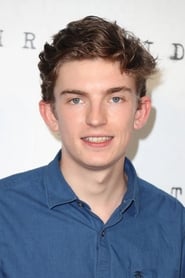
Bill Milner
Jeremy

Kristine Froseth
Ffion
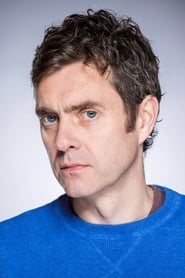
Paul Higgins
Frank
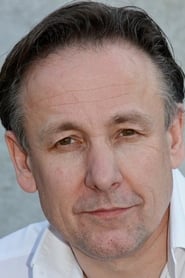
Richard Elfyn
Charles

Catrin Aaron
Elaine

John Weldon
Lonely Passenger
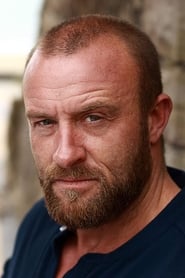
Ross O'Hennessy
Suspicious Passenger

Gareth Pierce
Man #1

Rhys Meredith
Man #2

John Norton
Man #3
Dónde ver
Suscripción
 Netflix
 Netflix Standard with Ads
Ficha técnica
- Título original
- Apostle
- Idiomas
- 普通话, English
- Países
- United States of America, United Kingdom
- Productoras
- XYZ Films| Severn Screen| One More One Productions
Críticas
(CASTELLANO) Me gustó, aunque no la veo como una película perfecta. Tiene algo que entra muy bien si te apetece terror de culto, islas perdidas, fanatismo religioso, sangre, barro y secretos podridos. No es una de esas películas que vayan directas al susto fácil, sino más bien una historia de ambiente enrarecido que va cocinando poco a poco la sensación de que todo en esa comunidad está mal, muy mal, aunque al principio nadie quiera explicarlo del todo. La premisa funciona porque tiene fuerza clásica: un hombre llega a una isla aislada para rescatar a su hermana, secuestrada por una secta religiosa que ha construido allí su propio mundo. Ya solo con eso la película conecta con ese terror folk de comunidades cerradas, líderes iluminados, normas extrañas y rituales que parecen nacer de una mezcla de fe, miedo y hambre. Me gustó ese aire de pesadilla rural, de lugar separado del resto del mundo donde la razón no tiene demasiado sitio. Dan Stevens sostiene bien el viaje. Su personaje llega como un tipo roto, nervioso, lleno de secretos y dispuesto a meterse en una boca de lobo. No es el héroe más carismático del mundo, pero sí funciona como mirada externa, como alguien que va descubriendo con nosotros la lógica enferma de la isla. Tiene presencia física, aguanta bien la tensión y transmite esa mezcla de desesperación y violencia contenida que la historia necesita. Michael Sheen también me gustó mucho. Su líder religioso no es simplemente un villano de opereta, sino alguien que parece convencido de haber levantado una comunidad salvadora mientras todo se le pudre alrededor. Ahí la película acierta: muestra cómo una utopía religiosa puede convertirse en cárcel, cómo la fe se mezcla con el poder y cómo los supuestos elegidos acaban justificando cualquier barbaridad en nombre de una promesa colectiva. La atmósfera es de lo mejor. La isla, las casas, la tierra, los cuerpos sucios, los interiores iluminados con velas y esa sensación permanente de humedad y amenaza crean un mundo muy reconocible y muy incómodo. No siempre da miedo en sentido puro, pero sí genera malestar. Es una película que huele a madera mojada, sangre vieja, encierro y superstición. Ese trabajo de ambiente la sostiene incluso cuando la trama se vuelve más irregular. También se nota la mano de Gareth Evans en la violencia. No es una película de acción como The Raid, ni falta que hace, pero cuando estalla la brutalidad se siente física, dolorosa y bastante salvaje. Hay momentos realmente desagradables, de esos que te hacen apartar un poco la mirada. La violencia no siempre es elegante, pero sí tiene impacto. Y en una historia sobre fanatismo, sacrificio y control del cuerpo, esa crudeza encaja bastante bien. Ahora bien, el conjunto se enreda más de la cuenta. La película empieza con una idea muy clara y muy potente, pero poco a poco va acumulando secta, misterio familiar, mitología sobrenatural, castigos, traiciones, monstruos, ritos y subtramas hasta que el relato pierde algo de limpieza. Hay momentos en los que parece que quiere ser varias películas a la vez, y no todas tienen la misma fuerza. Esa ambición le da personalidad, pero también la vuelve algo descompensada. Me interesó más cuando se mantiene cerca del misterio de la comunidad que cuando explica demasiado su mitología. El terror de los fanáticos, de los sermones, de las normas absurdas y de la obediencia ciega me parece más potente que algunas derivaciones sobrenaturales. La película funciona muy bien cuando deja que la isla parezca un organismo enfermo; pierde algo cuando necesita ordenar todas sus piezas y dar respuestas. También es algo larga. No me aburrí, pero sí sentí que podía haber sido más afilada con menos metraje. Hay tramos que respiran bien y otros que se estiran demasiado. El ritmo de cocción lenta le favorece al principio, porque ayuda a crear misterio, pero hacia el final tanta acumulación de sangre, fuego y revelaciones hace que pierda parte de la tensión inicial. Aun así, la vi con interés. Tiene personalidad, imágenes potentes, una ambientación muy trabajada y ese gusto por llevar las cosas bastante lejos que se agradece. No es un folk horror fino o perfecto, pero sí uno con cuerpo, suciedad y una energía rara. Incluso cuando se pasa de rosca, se nota que hay una visión detrás, una voluntad de construir un mundo propio y no limitarse a copiar una fórmula de terror para plataforma. Al final, me queda como una película notable, irregular pero muy disfrutable si entras en su tono. Me gustó por su atmósfera, por su secta enfermiza, por su violencia salvaje y por esa mezcla de religión, tierra, sangre y locura que va creciendo hasta volverse casi alucinada. Le sobran minutos y le faltaría algo más de precisión, pero tiene suficientes imágenes, tensión y mala baba como para dejar huella. (ENGLISH) I liked it, although I do not see it as a perfect film. It has something that works very well if you are in the mood for cult horror, lost islands, religious fanaticism, blood, mud and rotten secrets. It is not one of those films that goes straight for easy scares, but rather a story of strange atmosphere that slowly cooks the feeling that everything in that community is wrong, very wrong, even if at first nobody wants to explain it completely. The premise works because it has classic strength: a man arrives on an isolated island to rescue his sister, kidnapped by a religious cult that has built its own world there. With that alone, the film connects with folk horror about closed communities, enlightened leaders, strange rules and rituals that seem born from a mixture of faith, fear and hunger. I liked that rural nightmare feeling, of a place separated from the rest of the world where reason has little room. Dan Stevens carries the journey well. His character arrives as a broken, nervous man, full of secrets and willing to walk into the wolf's mouth. He is not the most charismatic hero in the world, but he works as an external gaze, as someone who discovers with us the island's sick logic. He has physical presence, handles the tension well and conveys that mixture of desperation and contained violence the story needs. I also liked Michael Sheen a lot. His religious leader is not simply an operatic villain, but someone who seems convinced he has built a saving community while everything rots around him. There the film is right: it shows how a religious utopia can become a prison, how faith mixes with power and how the supposedly chosen end up justifying any atrocity in the name of a collective promise. The atmosphere is one of its best elements. The island, the houses, the earth, the dirty bodies, the candlelit interiors and that permanent feeling of dampness and threat create a very recognizable and uncomfortable world. It is not always scary in a pure sense, but it does create unease. It is a film that smells of wet wood, old blood, confinement and superstition. That work of atmosphere sustains it even when the plot becomes more uneven. You can also feel Gareth Evans's hand in the violence. It is not an action film like The Raid, nor does it need to be, but when brutality erupts it feels physical, painful and quite savage. There are genuinely unpleasant moments, the kind that make you look away a little. The violence is not always elegant, but it has impact. And in a story about fanaticism, sacrifice and control of the body, that rawness fits quite well. That said, the whole thing tangles itself more than necessary. The film begins with a very clear and powerful idea, but little by little it accumulates cult, family mystery, supernatural mythology, punishments, betrayals, monsters, rites and subplots until the story loses some clarity. There are moments when it seems to want to be several films at once, and not all of them have the same strength. That ambition gives it personality, but also makes it somewhat unbalanced. I was more interested when it stayed close to the mystery of the community than when it explained too much of its mythology. The terror of fanatics, sermons, absurd rules and blind obedience seems more powerful to me than some of the supernatural turns. The film works very well when it lets the island feel like a sick organism; it loses something when it needs to arrange all its pieces and provide answers. It is also a little long. I was not bored, but I did feel that it could have been sharper with less running time. Some stretches breathe well and others go on too long. The slow-burn rhythm helps it at first, because it creates mystery, but toward the end so much accumulation of blood, fire and revelations makes it lose part of its initial tension. Even so, I watched it with interest. It has personality, powerful images, carefully built atmosphere and that willingness to take things quite far, which I appreciate. It is not a refined or perfect folk horror film, but it does have body, dirt and a strange energy. Even when it goes over the top, you can feel a vision behind it, a desire to build its own world and not simply copy a streaming horror formula. In the end, it remains for me a notable film, uneven but very enjoyable if you enter its tone. I liked it for its atmosphere, its sick cult, its savage violence and that mixture of religion, earth, blood and madness that grows until it becomes almost hallucinatory. It has too many minutes and could use more precision, but it has enough images, tension and nastiness to leave a mark.
Recomendadas

Ritual del más allá
2016 · Película

Messiah of Evil
1975 · Película

Una presencia extraña
2018 · Película

Dagón
2001 · Película

Daddy's Head
2024 · Película

Dust Devil
1992 · Película
Kill List
2011 · Película

Silencio en el lago
2008 · Película

Psycho Killer: Asesino serial
2026 · Película

Libros de sangre
2020 · Película

Compulsion
2024 · Película
Saint Catherine
2024 · Película

Haz que regrese
2025 · Película

Feroz
2000 · Película
Similares

K-PAX
2001 · Película

Exterminio
2002 · Película

The Severed Sun
2025 · Película

The Burningmoore Incident
2010 · Película

The Witch Revenge
2024 · Película

No hay santos
2022 · Película

Until You're Alone
2026 · Película

The 39 Steps
1935 · Película

El juego del miedo
2004 · Película

Pesadilla en la calle del infierno
1984 · Película

The Hole
2001 · Película

Cult Affairs
2021 · Película
Black Mountain Side
2016 · Película

The Dollcatcher
2023 · Película