


Jeanne y Simon Marwan son dos gemelos que viven en Canadá cuya madre Nawal, tras pasar sus últimos días sin hablar, acaba de fallecer. En el acto de apertura del testamento, el notario les da dos cartas que deben ser entregadas a un padre al que creían muerto y a un hermano cuya existencia desconocían. Jeanne decide entonces emprender un viaje al Líbano para intentar localizarlos y encontrar respuestas a su existencia, pero Simon no quiere saber nada del tema... Basada en una obra de teatro de Wajdi Mouawad.
Reparto

Lubna Azabal
Nawal

Mélissa Désormeaux-Poulin
Jeanne Marwan

Maxim Gaudette
Simon Marwan
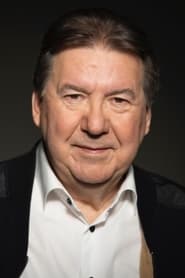
Rémy Girard
Notary Lebel

Allen Altman
Notaire Maddad

Abdelghafour Elaaziz
Abou Tarek

Dominique Briand
Professor Niv Cohen
Frédéric Paquet
Doctor in the Emergency Room
Ahmad Massad
Bassem Marwan
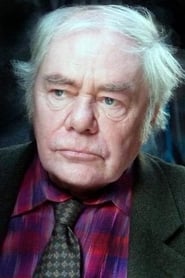
John Dunn-Hill
Professor Said Haidar

Jackie Sawiris
Mother
Lara Atalla
Angry Woman

Baya Belal
Maika
Yousef Shweihat
Deressa's Guide
Dónde ver
Suscripción
 Amazon Prime Video
 Movistar Plus+
 Movistar Plus+ Ficción Total
 Filmin
 Amazon Prime Video with Ads
Ficha técnica
- Título original
- Incendies
- Idiomas
- Français, العربية, English
- Países
- Canada, France
- Productoras
- TS Productions| Phi Group| micro_scope
- Presupuesto
- USD 6,800,000
- Recaudación
- USD 6,788,659
Cifras en dólares, según TMDb.
Críticas
La sensación más fuerte que me ha dejado es de una dureza enorme, pero no de una película que busque machacar al espectador a cualquier precio. Denis Villeneuve trabaja justo al contrario: contiene, observa y deja que el pasado vaya apareciendo poco a poco. Cuanto menos subraya lo terrible, más pesa. Incendies empieza como la reconstrucción de una historia familiar y termina convirtiéndose en algo mucho más amplio sobre la guerra, la identidad, el fanatismo y las heridas que una generación puede transmitir a la siguiente. La estructura es fundamental. Pasado y presente avanzan casi como dos investigaciones paralelas, y cada nueva pieza modifica la forma en que entendemos lo que ya habíamos visto. Villeneuve controla muy bien esa información: no necesita recurrir constantemente al golpe de efecto porque sabe que el verdadero impacto procede de comprender. La película va cerrando distancias entre personas, lugares y épocas hasta que todo adquiere un peso que al principio era imposible imaginar. Lubna Azabal está extraordinaria como Nawal. Su personaje atraviesa circunstancias terribles, pero nunca queda reducido únicamente al sufrimiento. Hay determinación, rabia, resistencia, contradicciones y una capacidad casi sobrehumana para continuar. Mélissa Désormeaux-Poulin funciona muy bien como contrapunto desde el presente: su búsqueda no consiste únicamente en descubrir hechos, sino en intentar comprender a una madre a la que quizá nunca llegó a conocer realmente. También me parece especialmente poderosa la manera en que retrata la guerra. No necesita explicar exhaustivamente países, facciones o ideologías concretas para que entendamos el mecanismo de destrucción. La religión, la pertenencia, el origen y la venganza se convierten en fronteras capaces de decidir quién merece vivir y quién debe convertirse en enemigo. La película evita la comodidad de separar el mundo entre inocentes perfectos y monstruos incomprensibles: muestra cómo el odio puede reproducirse hasta que nadie recuerda ya dónde empezó. La violencia es durísima precisamente porque Villeneuve rara vez la convierte en espectáculo. Algunas imágenes se quedan grabadas, pero lo que realmente resulta insoportable es comprender las consecuencias que dejan detrás. No son episodios aislados colocados para impresionar, sino eslabones de una cadena que continúa mucho después de que quienes la iniciaron hayan desaparecido. Hay algo casi matemático en la construcción de Incendies: nombres, fechas, lugares y recuerdos van conectándose. Pero esa precisión narrativa nunca convierte la película en un simple rompecabezas. El misterio importa porque detrás de cada respuesta existe una persona. Y cuando las piezas empiezan a encajar, el efecto no es el placer habitual de haber resuelto un puzle, sino algo mucho más incómodo. Lo que termina quedándose conmigo es su reflexión sobre la herencia del odio. Una familia puede recibir mucho más que apellidos, recuerdos o fotografías; también puede heredar silencios, culpas y consecuencias de decisiones tomadas décadas antes. Y romper esa transmisión quizá sea uno de los actos más difíciles que existen. Es una película muy dura, sí, pero también extraordinariamente humana. Villeneuve no niega el horror ni pretende suavizarlo, pero tampoco parece interesado en afirmar que estamos condenados inevitablemente a repetirlo. Entre tanta violencia queda una pregunta mucho más importante: si alguien será capaz, alguna vez, de detener la cadena. The strongest feeling the film left me with is one of enormous harshness, but not because it tries to crush the audience at any cost. Denis Villeneuve works in almost the opposite way: he restrains, observes and allows the past to emerge gradually. The less he underlines the horror, the heavier it becomes. Incendies begins as the reconstruction of a family history and grows into something far broader about war, identity, fanaticism and the wounds one generation can pass on to the next. The structure is essential. Past and present move almost like two parallel investigations, and every new piece changes the way we understand what we have already seen. Villeneuve controls information remarkably well: he does not need constant shocks because he understands that the real impact comes from comprehension. The film steadily closes the distance between people, places and periods until everything acquires a weight that would have been impossible to imagine at the beginning. Lubna Azabal is extraordinary as Nawal. Her character goes through terrible circumstances, but she is never reduced simply to suffering. There is determination, anger, resistance, contradiction and an almost superhuman ability to continue. Mélissa Désormeaux-Poulin works beautifully as a counterpoint in the present: her search is not merely about uncovering facts, but about trying to understand a mother she may never really have known. The depiction of war is particularly powerful as well. The film does not need to explain every country, faction or ideology in exhaustive detail for us to understand the mechanism of destruction. Religion, belonging, origin and revenge become borders capable of deciding who deserves to live and who must become an enemy. The film refuses the comfort of dividing the world into perfect innocents and incomprehensible monsters: it shows how hatred can reproduce itself until nobody even remembers where it began. The violence is devastating precisely because Villeneuve rarely turns it into spectacle. Certain images remain lodged in the mind, but what is truly unbearable is understanding the consequences left behind. These are not isolated episodes inserted for impact, but links in a chain that continues long after the people who began it have disappeared. There is something almost mathematical about the construction of Incendies: names, dates, places and memories slowly connect. Yet that narrative precision never turns the film into a simple puzzle. The mystery matters because there is a person behind every answer. And when the pieces begin to fit together, the effect is not the usual pleasure of solving a riddle, but something far more uncomfortable. What ultimately stayed with me is its reflection on inherited hatred. A family can inherit far more than surnames, memories or photographs; it can also inherit silences, guilt and the consequences of decisions made decades earlier. Breaking that transmission may be one of the hardest acts imaginable. It is an extremely hard film, but also an extraordinarily human one. Villeneuve neither denies the horror nor tries to soften it, yet he does not seem interested in claiming that we are inevitably condemned to repeat it. Beneath all the violence remains a much more important question: whether anyone will ever be able to stop the chain.
Recomendadas
La Herencia
2020 · Película

Hermanos
2009 · Película

Corazón Valiente
1995 · Película

Stockholm Bloodbath
2024 · Película

Lugares oscuros
2015 · Película

El Asesino del Nudo
2018 · Película

El jardinero fiel
2005 · Película

El cliente
1994 · Película

Escape de Sobibor
1987 · Película
Intriga en Berlín
2006 · Película

Juana de Arco
1999 · Película

Desafío
2008 · Película
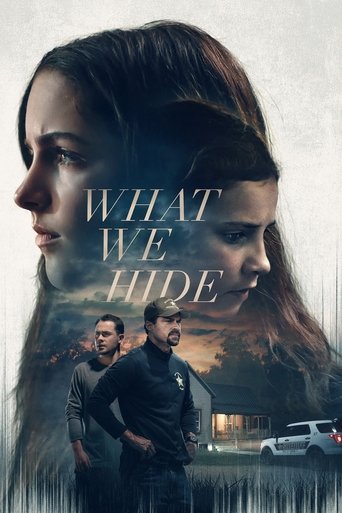
What We Hide
2025 · Película

Darfur
2009 · Película
Similares
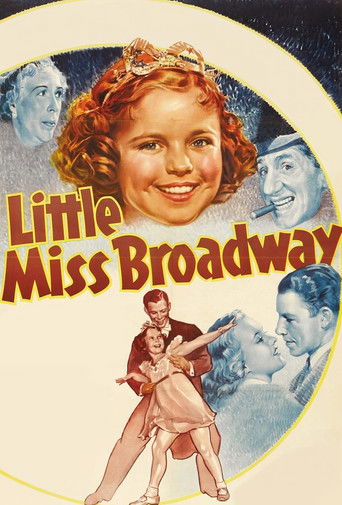
La pequeña Miss Broadway
1938 · Película
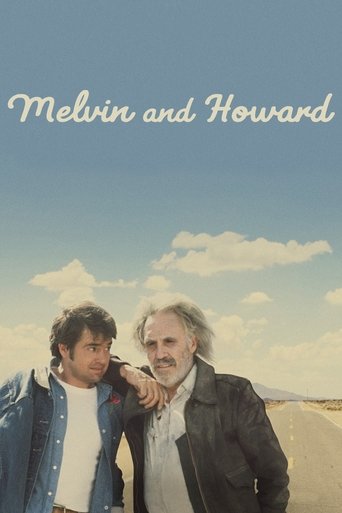
Melvin and Howard
1980 · Película

Amada hija
1998 · Película

Cuerdas
2013 · Película

Estación Fantasma
2023 · Película

خلّة وردة
2011 · Película

Palmeras en la nieve
2015 · Película

[REC]
2007 · Película

Náufrago
2000 · Película
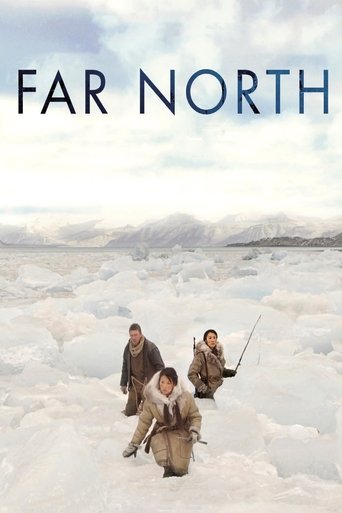
Far North
2008 · Película

ואלס עם באשיר
2008 · Película

Un conte de Noël
2008 · Película
Boogeyman: El nombre del miedo
2005 · Película

Historia de amor
1970 · Película