
Película · 2019
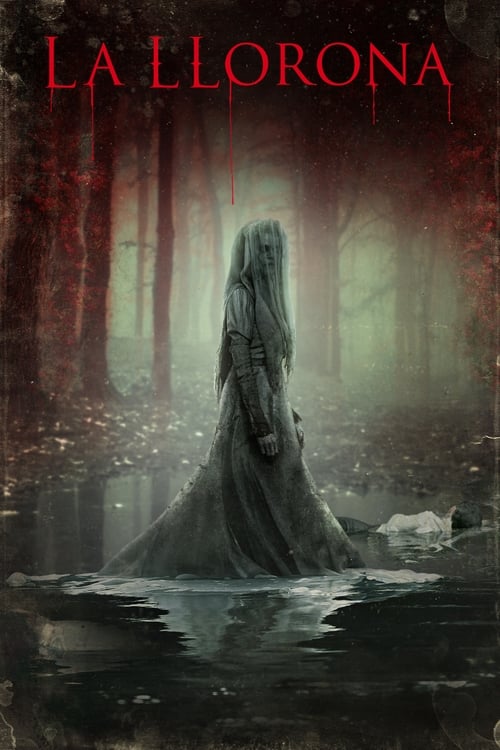
La maldición de La Llorona
Ella viene por tus hijos.
Dirección: Michael Chaves
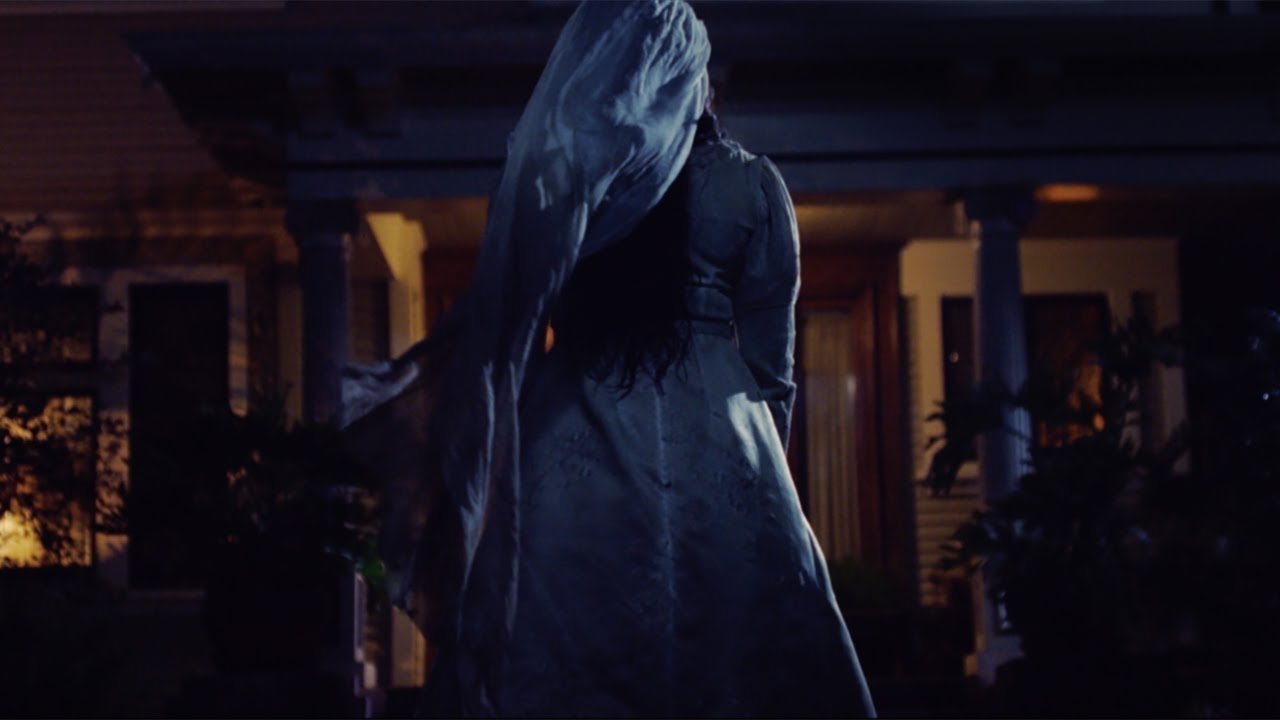
La Llorona es una aparición tenebrosa, atrapada entre el cielo y el infierno, con un destino terrible sellado por su propia mano. La mera mención de esta terrorífica leyenda mexicana ha causado terror durante generaciones. En vida, ahogó a sus hijos llena de rabia, por celos, arrojándose en el río tras ver l que había hecho. Ahora sus lágrimas son eternas y letales, y aquellos que escuchan su llamada de muerte en la noche están condenados. Se arrastra en las sombras y ataca a los niños, desesperada por reemplazar a los suyos. A medida que los siglos han pasado, su deseo se ha vuelto más voraz y sus métodos más terroríficos.
Reparto

Linda Cardellini
Anna Tate-Garcia

Raymond Cruz
Rafael Olvera

Patricia Velásquez
Patricia Alvarez

Roman Christou
Chris Garcia

Jaynee-Lynne Kinchen
Samantha Garcia

Marisol Ramirez
La Llorona

Sean Patrick Thomas
Detective Cooper

Tony Amendola
Father Perez

Oliver Alexander
Carlos

Aiden Lewandowski
Tomas

Irene Keng
Donna

DeLaRosa Rivera
David Garcia

Madeleine McGraw
April

Sophia Santi
Bocanegra / Female customer
Dónde ver
Suscripción
 Tivify
Alquiler
 Apple TV Store
 Amazon Video
Compra
Apple TV StoreAmazon VideoFicha técnica
- Título original
- The Curse of La Llorona
- Idiomas
- English, Español
- Países
- United States of America
- Productoras
- Atomic Monster| New Line Cinema| Emile Gladstone Productions
- Presupuesto
- USD 9,000,000
- Recaudación
- USD 123,233,739
Cifras en dólares, según TMDb.
Críticas
(CASTELLANO) No hace falta que una película de terror sea especialmente original para conseguir que uno se encoja en el sofá. A veces basta con saber cuándo mostrar una figura, cuándo ocultarla y, sobre todo, cuándo pegar el susto. La Llorona juega casi siempre en ese terreno: fórmula conocida, mecanismos previsibles y una criatura que, aun así, consigue hacerme saltar. Ya la había visto, así que buena parte de lo que ocurre me resultaba familiar. Pero eso no evitó que varios sustos volvieran a entrarme de lleno. Michael Chaves puede apoyarse demasiado en el golpe de sonido y en apariciones repentinas, pero tiene bastante buen pulso para construir esos momentos en los que sabes que algo va a pasar y, aun así, te pilla. La presencia de La Llorona funciona especialmente bien porque tiene una imagen muy reconocible y desagradable. Su llanto, la figura blanca y esa manera de aparecer de pronto convierten escenas bastante sencillas en momentos de tensión eficaz. No siempre hay una gran construcción detrás, pero sí una capacidad muy clara para provocar sobresaltos. También ayuda que la amenaza se cierna sobre una familia con niños. Ahí el miedo adquiere otra dimensión porque la vulnerabilidad es mucho mayor. No se trata solo de esperar el siguiente fantasma, sino de sentir que quienes están en peligro tienen muy pocas herramientas para defenderse. Y eso hace que algunos momentos resulten especialmente angustiosos. Otro aspecto que me dio bastante rabia es la desconfianza hacia la madre. La película toca, aunque sea de manera sencilla, ese prejuicio hacia una mujer sola a la que las instituciones están dispuestas a cuestionar antes que a escuchar. Esa sospecha automática añade una injusticia bastante reconocible y hace que su situación resulte todavía más frustrante. Linda Cardellini sostiene bien la película porque transmite agotamiento, miedo y determinación sin convertir al personaje en una mera víctima. Raymond Cruz aporta un contraste interesante cuando aparece, y Tony Amendola vuelve a ser uno de esos secundarios que reconoces inmediatamente aunque quizá no recuerdes de dónde. Dentro del universo asociado a Expediente Warren, la película se siente algo lateral. Tiene conexiones y guiños, pero funciona mejor si se la considera como una historia de terror independiente que como una pieza imprescindible de una gran mitología. Eso también explica por qué, al verla dentro de un maratón de la saga, se nota un poco menos cohesionada que otras entregas. El mayor problema es que casi todo resulta conocido. Casas, pasillos, puertas, niños en peligro, apariciones repentinas, sacerdotes, amuletos y sobresaltos forman parte de un manual que el género lleva décadas utilizando. La película rara vez sorprende por lo que cuenta o por cómo lo cuenta. Pero ser previsible no significa necesariamente ser ineficaz. Y aquí está la contradicción que mejor resume mi experiencia: muchas veces sé perfectamente que va a venir un susto y, aun así, el cabrón funciona. No es de las mejores películas relacionadas con los Warren, ni tiene la atmósfera o el control de las entregas dirigidas por James Wan. Pero entretiene, mete varios sustos muy buenos y mantiene una tensión suficiente como para que revisitarla siga teniendo gracia. A veces el terror más sencillo funciona precisamente porque no pretende otra cosa que hacerte mirar hacia la oscuridad y esperar que nada aparezca. (ENGLISH) A horror film does not need to be especially original to make you curl up on the sofa. Sometimes it only needs to know when to reveal a figure, when to hide it and, above all, when to land the scare. The Curse of La Llorona mostly operates on that level: familiar formula, predictable mechanisms and a creature that can still make me jump. I had already seen it, so much of what happens felt familiar. That did not stop several scares from working on me again. Michael Chaves may rely too much on loud shocks and sudden appearances, but he has a solid instinct for those moments when you know something is coming and it still catches you. La Llorona herself works particularly well because she has such a recognizable and unpleasant presence. The crying, the white figure and the way she suddenly appears turn fairly simple scenes into effective moments of tension. There is not always sophisticated construction behind them, but there is a very clear ability to create jolts. It also helps that the threat hangs over a family with children. That gives the fear another dimension because the vulnerability is much greater. It is not simply a matter of waiting for the next ghost, but of feeling that the people in danger have very few tools to defend themselves. That makes some moments particularly stressful. Another element that genuinely annoyed me is the distrust directed at the mother. The film touches, even if rather simply, on the prejudice facing a woman raising a family alone when institutions seem quicker to question her than to listen. That automatic suspicion adds a recognizable injustice and makes her situation even more frustrating. Linda Cardellini holds the film together well, conveying exhaustion, fear and determination without turning the character into a mere victim. Raymond Cruz brings an interesting contrast, while Tony Amendola remains one of those instantly recognizable supporting actors whose face seems to have been around forever. Within the wider world associated with The Conjuring, the film feels somewhat peripheral. It has connections and references, but works better as an independent horror story than as an essential piece of a larger mythology. Watching it in a franchise marathon makes that looseness more noticeable. The main problem is that almost everything feels familiar. Houses, hallways, doors, endangered children, sudden apparitions, priests, talismans and jump scares belong to a handbook the genre has been using for decades. The film rarely surprises through either story or form. But predictable does not automatically mean ineffective. That contradiction best describes my experience: I often know perfectly well that a scare is coming and the damn thing still works. It is not one of the best films connected to the Warren universe, nor does it have the atmosphere or control of the James Wan entries. But it is entertaining, lands several very effective scares and maintains enough tension to make a rewatch worthwhile. Sometimes simple horror works precisely because it wants nothing more than to make you stare into the darkness and hope nothing appears.
Recomendadas

Haz que regrese
2025 · Película
El Conjuro
2013 · Película

Evil Dead: El despertar
2023 · Película
Posesión satánica
2012 · Película

Daddy's Head
2024 · Película
El legado del diablo
2018 · Película

Teléfono negro 2
2025 · Película

El teléfono negro
2022 · Película
La monja
2018 · Película
Actividad Paranormal 3
2011 · Película
Belzebuth
2019 · Película
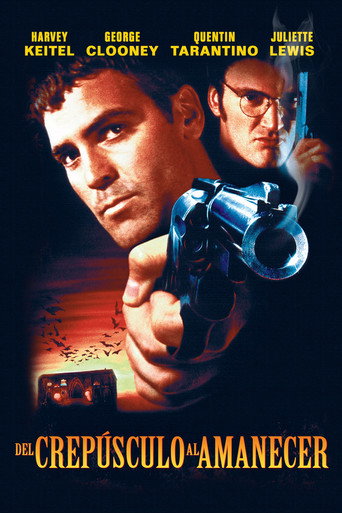
Del crepúsculo al amanecer
1996 · Película
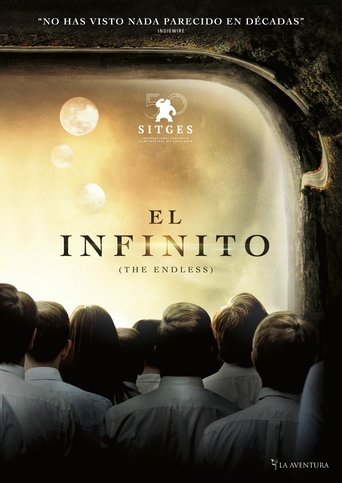
El infinito
2017 · Película

Dagón
2001 · Película
Similares

La chambre froide
— · Película
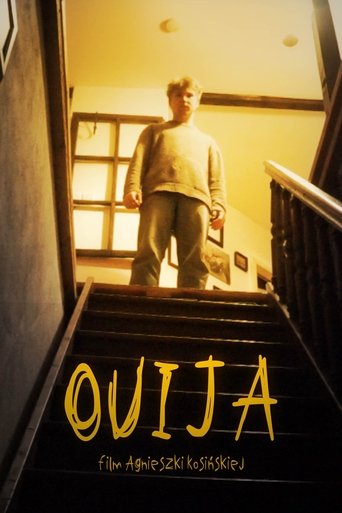
OUIJA
2025 · Película

Xibalba
2017 · Película

México bárbaro
2014 · Película

El granero Parte 2
2022 · Película
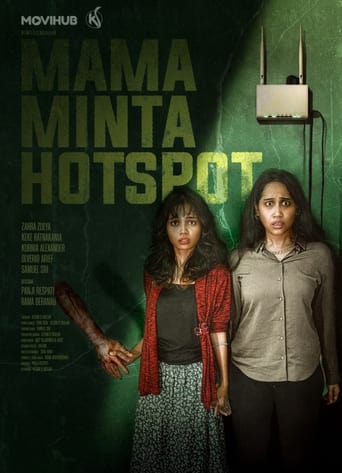
Mama Minta Hotspot
2024 · Película
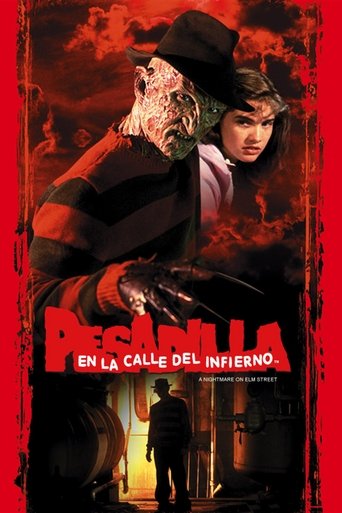
Pesadilla en la calle del infierno
1984 · Película
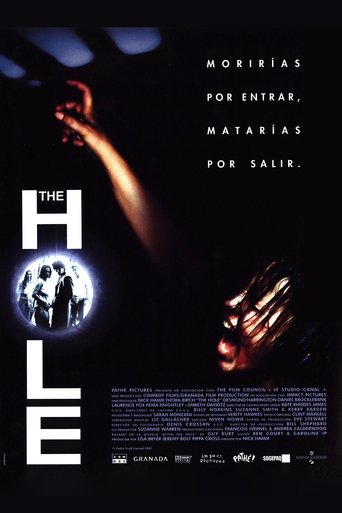
The Hole
2001 · Película
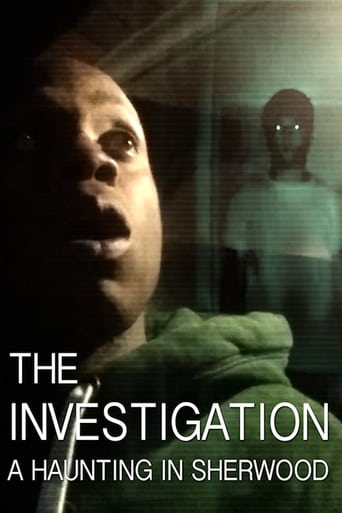
The Investigation: A Haunting in Sherwood
2020 · Película
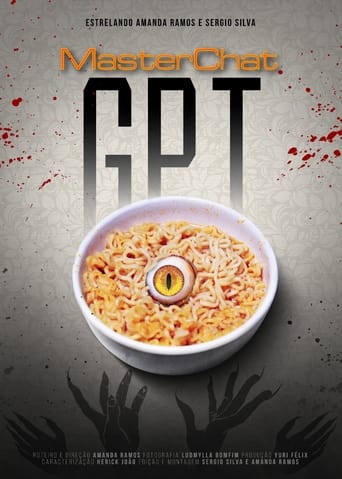
MasterChat GPT
2024 · Película
A Closer Walk With Thee
2017 · Película

The Dollcatcher
2023 · Película
Lights Camera Death
2026 · Película

Hellraiser: Puerta al infierno
1987 · Película