

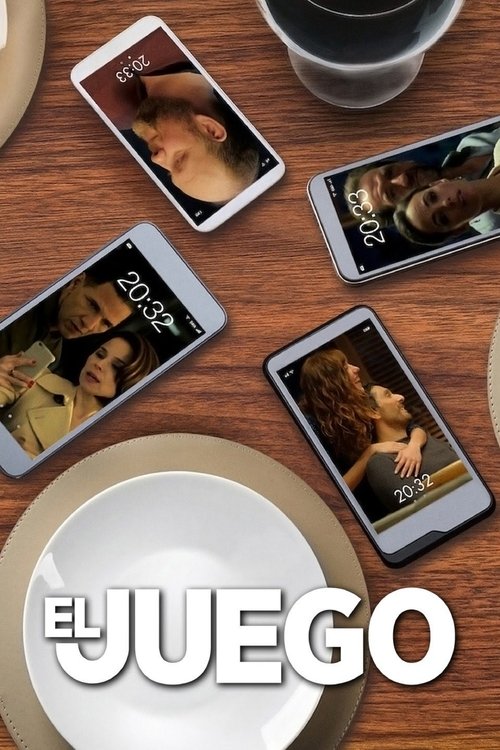
Para animar una cena, los viejos amigos aceptan compartir cada mensaje privado que aparece en sus teléfonos, con resultados desastrosos.
Reparto

Bérénice Bejo
Marie

Stéphane De Groodt
Vincent

Suzanne Clément
Charlotte

Roschdy Zem
Marco, husband of Charlotte

Doria Tillier
Léa

Vincent Elbaz
Thomas, husband of Léa

Grégory Gadebois
Ben

Fleur Fitoussi
Margot, daughter of Marie and Vincent

Tassadit Mandi
Marco's Mother
Méline Ouamar
Charlotte and Marco's Daughter

Sabri Ouamar
Charlotte and Marco's Son
Cosette Briand
Elderly couple's wife

Gabriel Briand
Elderly couple's man

Jessica Blue
News Reporter
Dónde ver
Suscripción
 Netflix
 Netflix Standard with Ads
Ficha técnica
- Título original
- Le Jeu
- Idiomas
- Français
- Países
- Belgium, France, Italy
- Productoras
- Mars Films| France 2 Cinéma| C8 Films| Medset Film| SCOPE Pictures
- Presupuesto
- USD 8,500,000
Cifras en dólares, según TMDb.
Críticas
(CASTELLANO)La idea es tan buena que resulta casi imposible no imaginar una película entretenida a partir de ella: un grupo de amigos, una cena y un juego que convierte los teléfonos móviles en una bomba de relojería. El problema de El juego no está en el mecanismo, que sigue siendo eficaz, sino en que llega después de haber visto otra versión que me resultó más divertida, más incómoda y con más mala leche. Comparada con Perfectos desconocidos, esta adaptación francesa me parece correcta, pero claramente menos viva. Fred Cavayé apuesta por un tono más contenido, elegante y controlado. La puesta en escena es limpia, los diálogos fluyen y el reparto funciona como conjunto. Todo está diseñado para que la conversación avance con precisión y para que cada pequeño cambio de ambiente altere la dinámica entre los personajes. Esa eficiencia se agradece, porque la película nunca se atasca ni pierde del todo el ritmo. Pero también hay algo demasiado pulido. El conflicto va creciendo, las máscaras empiezan a caer y el juego se vuelve cada vez más incómodo, pero la película rara vez alcanza esa sensación de caos que puede convertir una reunión entre amigos en una auténtica batalla. Se mantiene más cerca de la comedia amarga y del drama de salón que de una explosión emocional. Y quizá ahí está la diferencia principal con la versión española. Álex de la Iglesia tenía una energía más agresiva, más excesiva y más proclive a convertir cada revelación en una nueva sacudida. Aquí todo está algo más medido. Eso puede gustar más a quien prefiera un tono menos estridente, pero a mí me hizo menos gracia y me pareció menos afilada. El reparto es sólido, aunque no hay una interpretación que se imponga claramente sobre las demás. Bérénice Bejo, Suzanne Clément, Stéphane De Groodt, Vincent Elbaz, Grégory Gadebois, Doria Tillier y Roschdy Zem mantienen bien ese equilibrio entre amistad, incomodidad y sospecha. La sensación de grupo está conseguida, y eso es esencial en una historia donde todo depende de cómo cambia la percepción que tienen unos de otros. La gran baza sigue siendo el propio concepto. El teléfono móvil funciona como una prolongación de la intimidad y como archivo involuntario de todo aquello que preferimos mantener fuera de la conversación pública. La película aprovecha bien esa idea porque resulta fácil reconocerse en el miedo a perder el control sobre lo privado. Todos llevamos demasiadas cosas encima en un aparato que parece inofensivo hasta que alguien propone enseñarlo todo. El tema, además, no ha envejecido. Si acaso, hoy resulta todavía más pertinente. Nuestra vida digital ocupa cada vez más espacio y la distancia entre lo que mostramos y lo que ocultamos se ha vuelto parte normal de las relaciones. En ese sentido, El juego continúa funcionando porque convierte algo cotidiano en una amenaza social perfecta: no hace falta inventar nada extraordinario, basta con quitar la posibilidad de esconderse. Sin embargo, una vez que ya conoces el mecanismo, se pierde inevitablemente una parte importante de la sorpresa. No es culpa exclusiva de esta versión, pero verla después de Perfectos desconocidos hace que uno reconozca demasiado pronto las piezas del tablero. Entonces el interés pasa de "qué ocurrirá" a "cómo lo resolverán", y ahí la francesa no me parece tan inspirada. También pesa su origen teatral, aunque la película intenta disimularlo con movimiento y ritmo. Todo depende de los diálogos, las miradas y las tensiones dentro de un espacio muy limitado. Cuando el intercambio verbal funciona, la película avanza muy bien; cuando no, se nota más la estructura de mecanismo. Lo que sí evita es convertirse en un simple sermón sobre los peligros de los móviles. El teléfono es una herramienta, pero el verdadero asunto son las relaciones, la confianza y la distancia entre la imagen que construimos de nosotros mismos y aquello que preferimos no compartir. Ahí la película conserva interés más allá de su premisa. No me parece mala en absoluto. Está bien hecha, bien interpretada y sabe administrar la incomodidad. El problema es que la comparación le perjudica muchísimo. Habiendo visto antes la versión española, esta me parece más seca, menos divertida y menos memorable. Funciona, pero no me sorprendió ni me hizo reír tanto. El juego demuestra otra vez la fuerza extraordinaria de una premisa que ha viajado por varios países porque toca una inseguridad muy universal. Esta versión francesa es eficaz y elegante, pero también algo plana en comparación. Se ve con gusto, tiene buenos diálogos y sostiene la tensión social, aunque termina confirmándome que, entre las dos que he visto, me quedo claramente con Perfectos desconocidos. (ENGLISH) The premise is so strong that it is almost impossible not to imagine an entertaining film built around it: a group of friends, a dinner and a game that turns their mobile phones into ticking time bombs. The problem with Nothing to Hide is not the mechanism, which still works, but the fact that I had already seen another version that felt funnier, more uncomfortable and much nastier. Compared with Perfect Strangers, this French adaptation feels competent but clearly less alive. Fred Cavayé chooses a more restrained, elegant and controlled tone. The staging is clean, the dialogue flows and the cast works well as an ensemble. Everything is designed so that the conversation advances precisely and each small shift in atmosphere alters the balance between the characters. That efficiency helps, because the film never really stalls or loses its rhythm. But there is also something too polished about it. The conflict grows, the social masks begin to slip and the game becomes increasingly uncomfortable, yet the film rarely reaches the sense of chaos that can turn a dinner among friends into an emotional battlefield. It stays closer to bitter comedy and drawing-room drama than to a genuine explosion. That is probably the main difference from the Spanish version. Álex de la Iglesia brought a more aggressive, excessive energy and seemed more willing to turn every new development into another jolt. Here everything is more measured. That may appeal to viewers who prefer a less abrasive tone, but I found it less funny and less sharp. The cast is solid, although no single performance dominates the others. Bérénice Bejo, Suzanne Clément, Stéphane De Groodt, Vincent Elbaz, Grégory Gadebois, Doria Tillier and Roschdy Zem maintain the balance between friendship, discomfort and suspicion. The sense of a real group works, which is essential in a story built entirely around how people begin to see one another differently. The strongest element remains the concept itself. The mobile phone becomes an extension of privacy and an accidental archive of everything we prefer to keep outside public conversation. The film uses that idea effectively because it is easy to recognize the fear of losing control over the private self. We all carry far too much in a device that seems harmless until someone suggests revealing everything. The theme has not aged either. If anything, it feels even more relevant now. Our digital lives occupy more and more space, and the distance between what we show and what we conceal has become a normal part of relationships. In that sense, Nothing to Hide still works because it turns something ordinary into the perfect social threat: nothing extraordinary needs to happen; people simply lose the ability to hide. Once you already know the mechanism, however, an important part of the surprise inevitably disappears. That is not entirely this version's fault, but watching it after Perfect Strangers makes the pieces of the board recognizable too early. The interest then shifts from "what will happen?" to "how will they handle it?", and on that level the French film feels less inspired. Its theatrical nature also shows, even though the film tries to disguise it through movement and pacing. Everything depends on dialogue, looks and tension inside a limited space. When the verbal exchanges work, the film moves very well; when they do not, the underlying mechanism becomes more obvious. What it does avoid is becoming a simple lecture about the dangers of smartphones. The phone is only a tool. The real subject is relationships, trust and the distance between the image we construct of ourselves and what we would rather not share. That gives the film interest beyond the gimmick. I do not think it is a bad film at all. It is well made, well acted and knows how to manage discomfort. The problem is that comparison hurts it badly. Having seen the Spanish version first, this one feels drier, less amusing and less memorable. It works, but it neither surprised me nor made me laugh as much. Nothing to Hide once again proves the extraordinary strength of a premise that has travelled across countries because it touches a very universal insecurity. This French version is efficient and elegant, but also somewhat flat by comparison. It is easy to watch, has good dialogue and sustains its social tension, yet it ultimately confirms that, of the two versions I have seen, I clearly prefer Perfect Strangers.
Recomendadas

Perfectos desconocidos
2018 · Película

Macadam Stories
2015 · Película

El nombre
2012 · Película

Sometimes Always Never
2019 · Película

Litus
2019 · Película

Life During Wartime
2010 · Película

An Indian Tale
2017 · Película

Pequeños grandes amigos
2023 · Película

53 domingos
2026 · Película

Family Resemblances
1996 · Película
Open at Night
2017 · Película
It Runs in the Family
2003 · Película
El cuadro robado
2024 · Película

Volveréis
2024 · Película
Similares

トモダチゲーム 劇場版
2017 · Película
Family Swap
— · Película
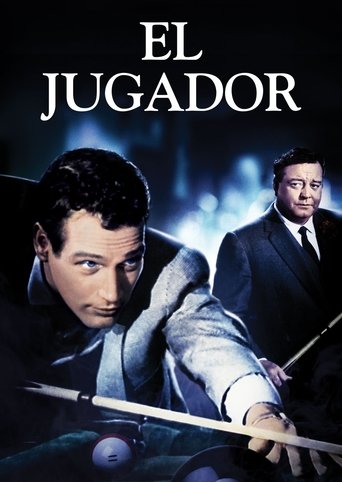
El Jugador
1961 · Película

Criaturas celestiales
1994 · Película

The Blue Angel
1959 · Película

¿Bailamos?
2004 · Película

Das Mädchen Rosemarie
1996 · Película

Juste une question d'amour
2000 · Película
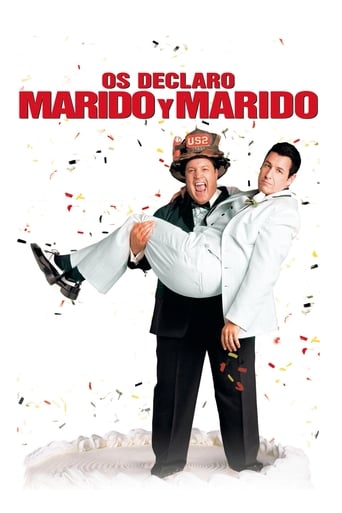
Yo los declaro Marido y... Larry
2007 · Película

Mi Hombre es un Perdedor
2014 · Película

हम दिल दे चुके सनम
1999 · Película

Sweet 20
2017 · Película
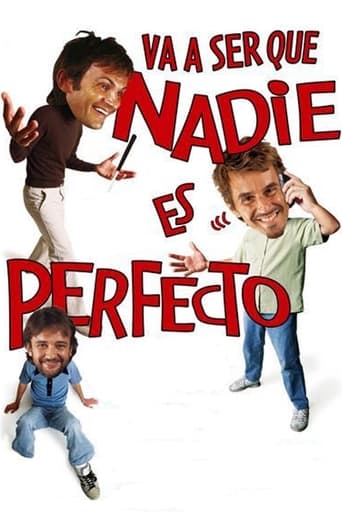
Va a ser que nadie es perfecto
2006 · Película
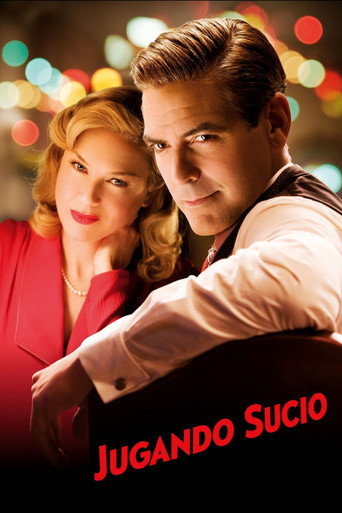
Jugando Sucio
2008 · Película