
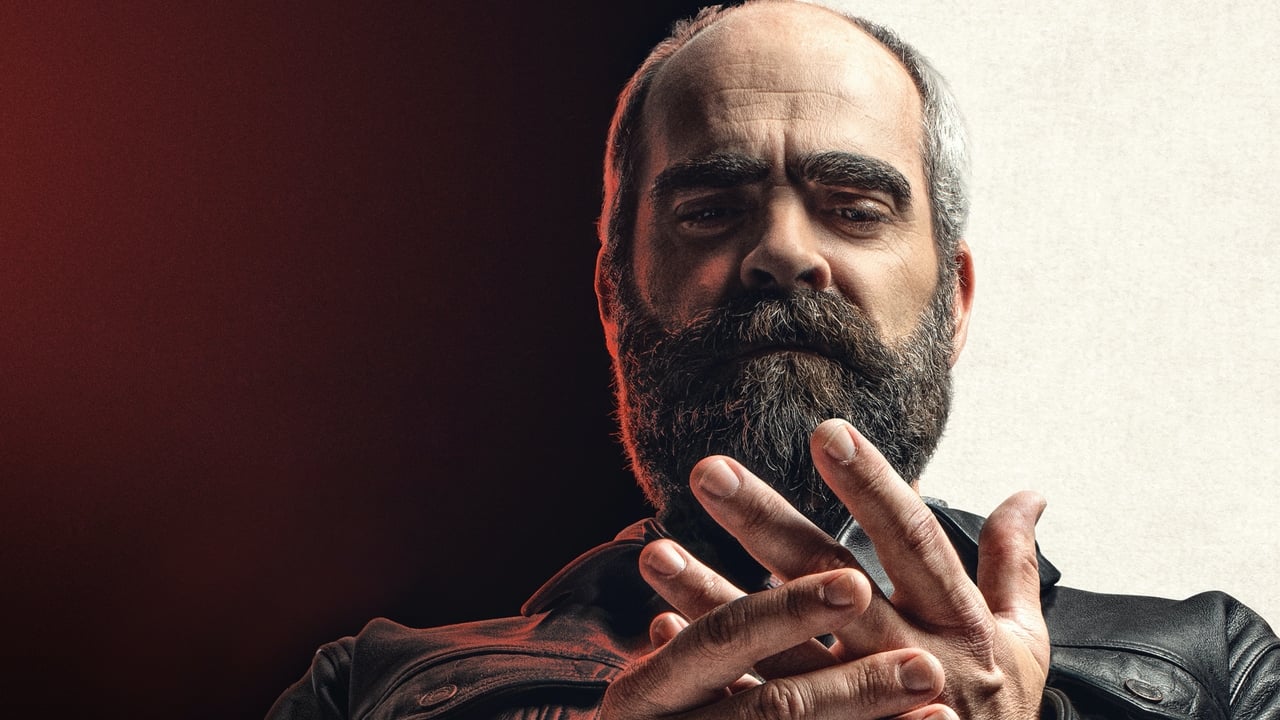

En un pueblo de la costa gallega vive Mario, un hombre ejemplar. En la residencia de ancianos en la que trabaja como enfermero todos le aprecian. Cuando el narcotraficante más conocido de la zona, Antonio Padín, recién salido de la cárcel, ingresa en la residencia, Mario trata de que Antonio se sienta como en casa. Ahora, los dos hijos de Padín, Kike y Toño, están al mando del negocio familiar. Pero un fallo en una operación llevará a Kike a la cárcel y les generará una gran deuda con un proveedor colombiano. Toño recurrirá al enfermero para que intente convencer a su padre de que asuma la deuda. Pero Mario tiene sus propios planes.
Reparto
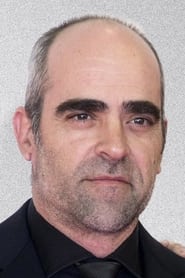
Luis Tosar
Mario

María Vázquez
Julia
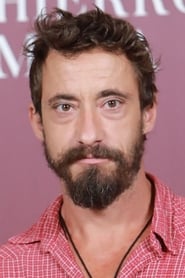
Ismael Martínez
Toño

Pablo Guisa Koestinger
Presidiario 2

Daniel Currás
Xepas

María Luisa Mayol
Ana
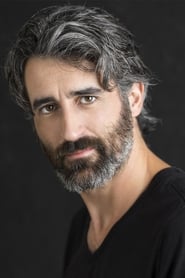
Víctor Duplá
Alfredo
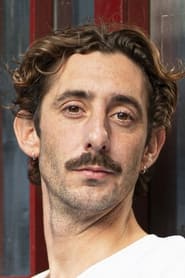
Enric Auquer
Kiko
Xan Cejudo
Antonio Padín
Marcos Javier Fernández Eimil
Cura funeral

Tania Lamata
Asistente Funeral

Tamar Novas
Mario Joven
Pepo Suevos
Vicente
César Valdés
Sánchez
Dónde ver
Suscripción
 Netflix
 Netflix Standard with Ads
Alquiler
 Apple TV Store
 Rakuten TV
 Amazon Video
Compra
Apple TV StoreRakuten TVAmazon VideoFicha técnica
- Idiomas
- Español, Galego
- Países
- Belgium, France, Spain, United Kingdom, United States of America
- Productoras
- Vaca Films| Quien a hierro mata| Sony Pictures International Productions| Film Constellation| Ministerio de Educación, Cultura y Deporte| Xunta de Galicia| Canal+| MEDIA Programme of the European Union| Playtime| Atresmedia Cine
- Presupuesto
- USD 3,328,289
- Recaudación
- USD 2,407,571
Cifras en dólares, según TMDb.
Críticas
(CASTELLANO) Lo que más me funciona de la película es que no intenta arrancar como un thriller acelerado, sino como algo más turbio y contenido. Entra despacio, con esa residencia de mayores, esos pasillos, esos cuerpos frágiles, ese ambiente casi cotidiano donde la violencia parece estar fuera de campo. Y precisamente por eso va ganando veneno poco a poco. No estamos ante una historia de tiros y persecuciones desde el minuto uno, sino ante una película sobre una persona aparentemente tranquila, educada, casi invisible, que arrastra dentro una herida enorme. Esa calma inicial es importante, porque permite que el desarrollo de Mario tenga más peso. Luis Tosar sostiene casi todo. Y lo hace con una sobriedad muy difícil, sin necesidad de convertir al personaje en un vengador espectacular ni en un monstruo evidente. Lo interesante está en cómo administra el silencio, las miradas, los pequeños gestos profesionales, esa manera de parecer correcto mientras por debajo se va abriendo algo cada vez más oscuro. Mario es enfermero, cuida, escucha, ayuda, toca cuerpos vulnerables. Pero la película va contaminando esa idea de cuidado hasta que cada gesto puede tener una doble lectura. Ahí está su mejor hallazgo: convertir un espacio de protección en un lugar moralmente inquietante. Paco Plaza me parece muy seguro en la puesta en escena. Se nota que quiere alejarse del terror más reconocible de su filmografía, pero sin abandonar del todo esa sensación de amenaza. La cámara se pega a los personajes, los interiores pesan, los primeros planos tienen mucha importancia y la fotografía crea una atmósfera húmeda, cerrada, casi fermentada. Galicia no aparece como postal, sino como territorio de niebla moral: narcotráfico, familia, culpa, dinero, silencio y heridas que pasan de una generación a otra. La película tiene algo de tragedia rural y algo de thriller de venganza, pero lo mejor es cuando no se entrega del todo a ninguno de los dos moldes. También funciona muy bien el contraste entre los dos mundos. Por un lado está la residencia, con su rutina, su fragilidad y su falsa sensación de seguridad. Por otro, el universo criminal, familiar, sucio, lleno de deudas, amenazas y códigos heredados. La película va cruzando esos espacios hasta que entiendes que la violencia no pertenece solo a los narcos ni a los delincuentes visibles. También puede instalarse en alguien que parece normal, alguien que ha aprendido a esperar, alguien que no necesita gritar para hacer daño. Esa idea me parece más perturbadora que muchas escenas de violencia explícita. El desarrollo de Mario es lo que más me interesa. No porque la película lo justifique, sino porque lo deja avanzar de una forma incómoda. Entiendes que hay dolor, pérdida y una necesidad de reparación imposible, pero al mismo tiempo ves cómo esa herida se convierte en otra forma de veneno. La venganza aquí no libera, no limpia, no devuelve nada. Solo degrada. Y Tosar consigue que ese proceso sea creíble sin tener que explicarlo todo. Hay momentos en los que basta su cara para sentir que el personaje ya está más lejos de lo que él mismo quizá quiere admitir. Aun así, entiendo algunas críticas más duras. Hay decisiones de guion que pueden parecer demasiado calculadas, coincidencias que empujan la trama y ciertos flashbacks o subrayados que no siempre le hacen falta. A veces la película parece confiar menos de lo necesario en su propia fuerza visual y emocional. También hay elementos del thriller que rozan lo convencional, como si necesitara cumplir con determinadas expectativas de género cuando lo más interesante estaba en la tensión silenciosa. No todo es igual de fino. Hay momentos muy potentes y otros algo más forzados. Pero el conjunto me parece muy sólido. Tiene ritmo, tiene atmósfera, tiene una negrura bien trabajada y tiene a un Tosar magnífico llevando el peso de un personaje que podría haber caído fácilmente en el exceso. Me gusta que no convierta la venganza en espectáculo cómodo, sino en una especie de infección moral. Empiezas mirando a Mario como alguien dañado y terminas mirándolo con una incomodidad creciente, porque la película te obliga a preguntarte cuánto dolor hace falta para que una persona empiece a parecerse a aquello que odia. Y esa pregunta, más que la trama criminal, es lo que queda. Un thriller oscuro, áspero, muy bien interpretado y con un final que no busca dejarte tranquilo. (ENGLISH) What works best for me is that the film does not try to begin as a fast thriller, but as something murkier and more restrained. It enters slowly, through that nursing home, those corridors, those fragile bodies, that almost everyday atmosphere where violence seems to remain off-screen. And precisely because of that, it gradually gains poison. This is not a story of shootings and chases from the first minute, but a film about an apparently calm, polite, almost invisible person carrying an enormous wound inside. That initial calm matters, because it gives Mario’s development more weight. Luis Tosar carries almost everything. And he does it with a very difficult sobriety, without needing to turn the character into a spectacular avenger or an obvious monster. The interesting part lies in how he manages silence, looks, small professional gestures, that way of seeming correct while something increasingly dark opens underneath. Mario is a nurse; he cares, listens, helps, touches vulnerable bodies. But the film gradually contaminates that idea of care until every gesture can have a double meaning. That is its best discovery: turning a place of protection into something morally unsettling. Paco Plaza seems very assured in the staging. You can feel that he wants to move away from the more recognizable horror of his filmography, but without abandoning that sense of threat entirely. The camera stays close to the characters, the interiors weigh heavily, close-ups matter a lot and the cinematography creates a damp, closed, almost fermented atmosphere. Galicia does not appear as a postcard, but as a territory of moral fog: drug trafficking, family, guilt, money, silence and wounds passed from one generation to another. The film has something of a rural tragedy and something of a revenge thriller, but it is at its best when it does not fully surrender to either mold. The contrast between the two worlds also works very well. On one side there is the nursing home, with its routine, fragility and false sense of safety. On the other, the criminal and family world, dirty, full of debts, threats and inherited codes. The film keeps crossing those spaces until you understand that violence does not belong only to traffickers or visible criminals. It can also settle inside someone who seems normal, someone who has learned to wait, someone who does not need to shout in order to do harm. That idea seems more disturbing to me than many scenes of explicit violence. Mario’s development is what interests me most. Not because the film justifies him, but because it lets him move forward in an uncomfortable way. You understand that there is pain, loss and a need for impossible repair, but at the same time you see how that wound becomes another form of poison. Revenge here does not free, cleanse or return anything. It only degrades. And Tosar makes that process believable without having to explain everything. There are moments when his face is enough to feel that the character has already gone farther than he himself may want to admit. Even so, I understand some of the harsher criticism. There are script decisions that can feel too calculated, coincidences that push the plot and certain flashbacks or underlinings that it does not always need. At times the film seems to trust its own visual and emotional force less than it should. There are also thriller elements that come close to the conventional, as if it needed to meet certain genre expectations when the most interesting part lay in the silent tension. Not everything is equally fine. There are very powerful moments and others that feel somewhat forced. But as a whole, I find it very solid. It has rhythm, atmosphere, a well-worked darkness and a magnificent Tosar carrying the weight of a character who could easily have fallen into excess. I like that it does not turn revenge into comfortable spectacle, but into a kind of moral infection. You begin by looking at Mario as someone damaged and end up looking at him with growing unease, because the film forces you to ask how much pain is needed for a person to begin resembling what he hates. And that question, more than the criminal plot, is what remains. A dark, rough, very well-acted thriller with an ending that does not try to leave you calm.
Recomendadas

Toro
2016 · Película
Infiltrado en la mafia
2023 · Película

The Valachi Papers
1972 · Película

The Hit
1984 · Película

Lazos de Sangre
2013 · Película

Legado en los huesos
2019 · Película

Colisión
2026 · Película

The Grissom Gang
1971 · Película
Run
1991 · Película

6 Balas
2012 · Película

¿Quién es Quiller?
1966 · Película

Agente internacional
2009 · Película
The Public Eye
1992 · Película

Bajo anestesia
2007 · Película
Similares

El Padrino
1972 · Película

Una Eva y dos Adanes
1959 · Película

El Padrino II
1974 · Película

Things to Do in Denver When You're Dead
1995 · Película

Milagros Inesperados
1999 · Película

Darkman: El Rostro de la Venganza
1990 · Película

El último hombre
1996 · Película

Brasco
1997 · Película

Kung fu
2004 · Película

Cómplices
1996 · Película

La última gran estafa
2020 · Película

Heard She Got Married
2021 · Película

Der Todesrächer von Soho
1972 · Película

The Funeral
1996 · Película