


George (Freddie Highmore), un adolescente inteligente pero solitario y escéptico, cambia de actitud cuando entabla amistad con la bella Sally (Emma Roberts), una joven de su clase que le gusta desde hacía tiempo y que oculta su melancolía protegiéndose detrás de su máscara de "la chica más popular del instituto"
Reparto
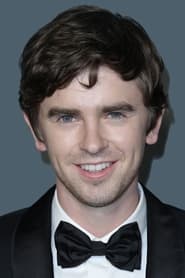
Freddie Highmore
George Zinavoy

Emma Roberts
Sally Howe

Michael Angarano
Dustin

Elizabeth Reaser
Charlotte Howe

Alicia Silverstone
Ms. Herman

Sasha Spielberg
Zoe

Marcus Carl Franklin
Will

Ann Dowd
Mrs. Grimes

Blair Underwood
Principal

Rita Wilson
Vivian Sargent

Sam Robards
Jack Sargent

Sophie Lane Curtis
Chastity

Maya Ri Sanchez
Cynthia

Ann Harada
Mrs. Dougherty
Dónde ver
Suscripción
 Disney Plus
Alquiler
 Apple TV Store
 Rakuten TV
 Amazon Video
Compra
Rakuten TVAmazon VideoFicha técnica
- Título original
- The Art of Getting By
- Idiomas
- English
- Países
- United States of America
- Productoras
- Goldcrest Films International| Atlantic Pictures| Gigi Films
- Recaudación
- USD 1,406,224
Críticas
(CASTELLANO) Hay una edad en la que la apatía puede confundirse con una filosofía de vida. No hacer nada, no comprometerse demasiado, mirar el mundo desde cierta distancia y convencerse de que todo da un poco igual puede parecer lucidez cuando, muchas veces, es simplemente miedo. El arte de pasar de todo se mueve en ese territorio: el de alguien lo bastante inteligente para justificar su propia inacción y lo bastante joven para no comprender todavía cuánto puede costarle. Freddie Highmore encaja muy bien en ese personaje retraído, irónico y algo exasperante, instalado en una suspensión emocional. George observa más de lo que participa, piensa más de lo que actúa y convierte la indiferencia en protección. La película no presenta esa actitud como admirable, pero tampoco se dedica a juzgarla: le interesa más mostrar cómo una postura aparentemente cómoda puede convertirse en una jaula cuando llega el momento de tomar decisiones reales. Emma Roberts aporta el contraste necesario sin caer del todo en el arquetipo de "chica que viene a salvar al chico solitario". Sally tiene su propia ambigüedad, sus inseguridades y una manera de relacionarse con el mundo que también está lejos de ser sencilla. La conexión entre ambos funciona mejor cuando la película evita convertirla en una gran historia romántica y se concentra en algo más pequeño: dos adolescentes que se reconocen mutuamente como personas un poco perdidas. Ahí está uno de los aspectos que mejor funcionan: la película habla de enamorarse, pero también del momento en que otra persona te obliga a dejar de vivir dentro de tu cabeza. George puede elaborar discursos sobre la inutilidad de esforzarse o sobre la falta de sentido de muchas obligaciones, pero encontrarse emocionalmente implicado en otra persona complica bastante esa teoría. La música ayuda muchísimo a crear esa sensación. La banda sonora tiene un tono indie, melancólico y ligeramente desganado que parece construido para acompañar paseos solitarios por Nueva York, tardes grises y ese tipo de tristeza adolescente que todavía no sabe exactamente de dónde viene. Y cuando encima aparece Pavement, la película parece encontrar la banda sonora perfecta para su protagonista: inteligencia, desgana, ironía y una sensibilidad escondida debajo de una apariencia de indiferencia. Ese componente musical no es un simple adorno: le da a la película una identidad que el guion, por sí solo, quizá no tendría. La historia de adolescente inteligente, desmotivado y sentimentalmente confundido no es especialmente nueva, y buena parte de las críticas negativas van precisamente por ahí. Pero a mí esa familiaridad no me molesta demasiado porque el tono es agradable y nunca intenta convertir cada conflicto en una revelación monumental. La película sabe que muchas crisis adolescentes se sienten gigantescas para quien las vive aunque desde fuera parezcan pequeñas: la posibilidad de decepcionar a alguien, no saber qué hacer con el futuro o sentir que todos avanzan mientras uno sigue parado pueden adquirir una dimensión enorme. También funciona el entorno de Nueva York, que no aparece como la ciudad espectacular de los grandes monumentos, sino como un espacio de tránsito: calles frías, cafeterías, aulas y lugares donde los personajes pueden estar juntos sin terminar de saber qué quieren decirse. Esa ciudad ligeramente gris combina muy bien con la personalidad de George y con la música. Highmore consigue que el protagonista siga resultando humano incluso cuando su pasividad puede irritar. George posee cierta arrogancia defensiva, como si considerar absurdas las expectativas ajenas le permitiera no exponerse nunca al fracaso: a veces "pasar de todo" no significa que nada importe, sino exactamente lo contrario, una manera eficaz de no arriesgarse a descubrir que algo importa demasiado. La película pierde algo de fuerza cuando entra en terrenos más convencionales. Hay conflictos que se ven venir y momentos en los que parece obligada a recordar que seguimos dentro de una historia de maduración adolescente; tampoco profundiza demasiado en algunas cuestiones familiares que podrían haber enriquecido el retrato de George. Se conforma muchas veces con sugerir en lugar de desarrollar. Aun así, prefiero esa modestia a una película empeñada en convertir la adolescencia en una sucesión de grandes discursos. El arte de pasar de todo resulta sencilla, ligera y bastante sentimental, pero tiene encanto. Su mejor cualidad está precisamente en esa mezcla de melancolía y calidez: no pretende que encontrar a otra persona solucione automáticamente tus problemas, pero sí reconoce que a veces basta para empezar a mirarlos de otra manera. No descubre nada nuevo sobre crecer, enamorarse o dejar de esconderse detrás de la apatía, pero captura bastante bien ese momento en que fingir que todo te da igual empieza a resultar más agotador que admitir que algunas cosas sí te importan. Y con una banda sonora así, todo entra bastante mejor. (ENGLISH) There's an age when apathy can be mistaken for a philosophy of life. Doing nothing, avoiding commitment, watching the world from a distance and convincing yourself that very little really matters can look like clarity when, often, it's simply fear. The Art of Getting By lives in that territory: someone smart enough to justify his own inaction and young enough not to understand yet what it may cost him. Freddie Highmore fits this withdrawn, ironic and slightly exasperating character well, stuck in a kind of emotional suspension. George observes more than he participates, thinks more than he acts, and turns indifference into protection. The film doesn't present that attitude as admirable, but it doesn't spend its time judging it either: it's more interested in showing how a seemingly comfortable stance can become a cage once real decisions have to be made. Emma Roberts provides the necessary contrast without fully falling into the archetype of "the girl who comes to save the lonely boy." Sally has her own ambiguity, her own insecurities and a way of relating to the world that's far from simple. Their connection works best when the film avoids turning it into a grand romance and focuses on something smaller: two teenagers recognizing each other as a bit lost. That's one of the things that works best for me: the film is about falling in love, sure, but also about something broader, the moment when another person forces you to stop living entirely inside your own head. George can build arguments about the pointlessness of effort or the meaninglessness of many obligations, but becoming emotionally involved with someone else makes that theory considerably harder to hold onto. The music helps enormously in creating that feeling. The soundtrack has an indie, melancholic and slightly listless tone that seems built for solitary walks through New York, grey afternoons and that kind of teenage sadness that doesn't yet know exactly where it comes from. And when Pavement shows up, the film seems to find the perfect soundtrack for its protagonist: intelligence, laziness, irony and a sensitivity hidden beneath a veneer of indifference. That musical element isn't mere decoration: it gives the film an identity the screenplay alone might not have. The story of a smart, unmotivated and emotionally confused teenager isn't especially new, and much of the negative criticism went precisely there. But that familiarity doesn't bother me much because the tone is pleasant and it never tries to turn every conflict into a monumental revelation. The film knows that many teenage crises feel enormous to whoever lives them even if they look small from outside: the possibility of disappointing someone, not knowing what to do with the future, or feeling like everyone else is moving on while you stay still can take on an enormous scale. New York also works well as a setting, appearing not as the spectacular city of famous landmarks but as a place of transit: cold streets, cafés, classrooms and spots where the characters can be together without quite knowing what they want to say. That slightly grey city fits George's personality and the music very well. Highmore manages to keep the protagonist human even when his passivity can irritate. George has a certain defensive arrogance, as if dismissing other people's expectations as absurd lets him avoid ever risking failure: sometimes "not caring about anything" doesn't mean nothing matters, but exactly the opposite, an effective way of not risking finding out that something matters too much. The film loses some strength when it enters more conventional territory. There are conflicts you can see coming and moments when it seems obliged to remind us we're still inside a coming-of-age story; it also doesn't dig very deep into some family issues that could have enriched George's portrait. It often settles for suggesting rather than developing. Even so, I prefer that modesty to a film determined to turn adolescence into a string of grand speeches. The Art of Getting By is simple, light and fairly sentimental, but it has charm. Its best quality lies precisely in that mix of melancholy and warmth: it doesn't pretend that finding someone else automatically solves your problems, but it does recognize that sometimes it's enough to start looking at them differently. It discovers nothing new about growing up, falling in love or stepping out from behind apathy, but it captures rather well that moment when pretending not to care starts feeling more exhausting than admitting that some things actually matter to you. And with a soundtrack like this, it all goes down a lot easier.
Recomendadas

Esteros
2016 · Película

Flesh and the Devil
1926 · Película
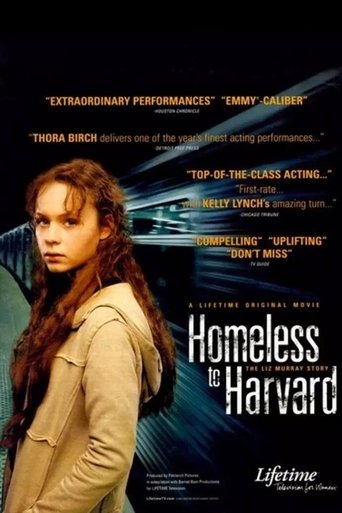
Homeless to Harvard: The Liz Murray Story
2003 · Película

After: Aquí empieza todo
2019 · Película

Giant Little Ones
2019 · Película

Lo mejor de mí
2014 · Película

Mi mejor amigo
2018 · Película

Cola de tigre
2020 · Película

The Derby Stallion
2005 · Película

Las aventuras del chico lobo
2019 · Película

Un romance de verdad
2020 · Película

Una vida en un año
2020 · Película
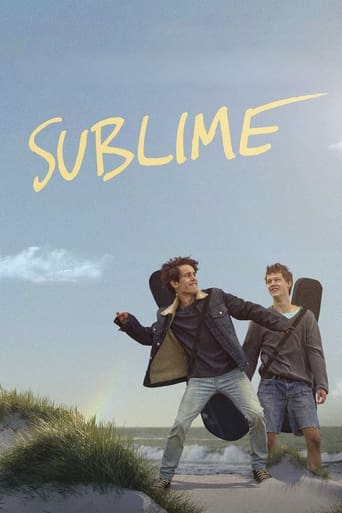
Sublime
2022 · Película

Oscuros
2016 · Película
Similares
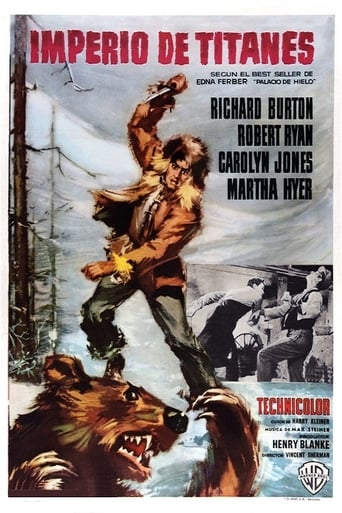
Ice Palace
1960 · Película

触碰
2016 · Película

16 Deseos
2010 · Película

สาฆวันในหน้าร้อน
2014 · Película
Tweezaam
2024 · Película

Jailbait!
2000 · Película

Heylaa
2006 · Película

ブルーピリオド
2024 · Película
Pretending
2021 · Película

The Key
2014 · Película

解忧杂货店
2017 · Película
Schulmädchen-Report 6. Teil: Was Eltern gern vertuschen möchten
1973 · Película

Pourvu qu'on ait l'ivresse
1974 · Película
Hannah y sus hermanas
1986 · Película