


Matt King, casado y padre de dos niñas, se ve obligado a replantearse la vida cuando su mujer sufre un terrible accidente que la deja en coma. Intenta torpemente recomponer la relación con sus problemáticas hijas -la precoz Scottie, de 10 años, y la rebelde Alexandra, de 17- al tiempo que se enfrenta a la difícil decisión de vender las propiedades de la familia. Herederos de la realeza hawaiana y de los misioneros, los King poseen en Hawai tierras vírgenes de un valor incalculable.
Reparto

George Clooney
Matt King

Shailene Woodley
Alexandra King

Amara Miller
Scottie King

Nick Krause
Sid

Patricia Hastie
Elizabeth King
Grace A. Cruz
Scottie's Teacher
Kim Gennaula
School Counselor
Karen Kuioka Hironaga
Barb Higgins
Carmen Kaichi
Lani Higgins

Kaui Hart Hemmings
Matt's Secretary Noe

Beau Bridges
Cousin Hugh

Matt Corboy
Cousin Ralph
Matt Esecson
Cousin Hal

Michael Ontkean
Cousin Milo
Dónde ver
Suscripción
 Disney Plus
Alquiler
 Apple TV Store
 Rakuten TV
 Amazon Video
Compra
Apple TV StoreRakuten TVAmazon VideoFicha técnica
- Título original
- The Descendants
- Idiomas
- English
- Países
- United States of America
- Productoras
- Dune Entertainment| Fox Searchlight Pictures| Ad Hominem Enterprises
- Presupuesto
- USD 20,000,000
- Recaudación
- USD 177,200,000
Cifras en dólares, según TMDb.
Críticas
(CASTELLANO) Pocas películas consiguen emocionar tanto sin parecer que están buscando constantemente la lágrima. Los descendientes funciona porque Alexander Payne entiende que una familia no se rompe de una sola manera ni siente una sola cosa a la vez. En una misma habitación pueden convivir amor, enfado, culpa, decepción, ternura y resentimiento, y la película deja espacio para todas esas emociones sin ordenarlas ni convertirlas en lecciones demasiado limpias. George Clooney está extraordinario precisamente porque desaparece buena parte de la estrella de cine que solemos asociar con él. Interpreta a un hombre desorientado, cansado y emocionalmente desbordado, obligado a asumir responsabilidades para las que nunca parecía preparado. No busca grandes gestos: trabaja mucho con la mirada, el cuerpo y los silencios. Cuanto más intenta conservar cierta dignidad, más visible resulta que no sabe muy bien cómo sostener a los demás mientras él mismo se está desmoronando. Shailene Woodley está magnífica. Su personaje podría haberse quedado en el tópico de la hija adolescente difícil, pero la actriz le da una mezcla de rabia, ironía, inteligencia y vulnerabilidad que la convierte en alguien completamente reconocible. Está preciosa, sí, pero sobre todo transmite verdad: parece una hija real intentando procesar una situación que también supera a los adultos. Uno de los grandes aciertos de Payne es permitir que cada personaje reaccione al dolor de una manera distinta. Algunos se protegen con el humor, otros con la dureza, otros con el silencio o con una aparente falta de sensibilidad. Y la película tiene la inteligencia de no reducir a nadie a una sola característica. Incluso personajes que inicialmente pueden resultar antipáticos terminan revelando una dimensión humana que obliga a mirarlos de otra forma, sin que por ello desaparezcan sus defectos. Ahí está una de las cosas que más me gustan de Los descendientes: su enorme capacidad para ampliar a los personajes en lugar de justificarlos. Nadie es únicamente "el malo", "el buen padre", "la hija rebelde" o "el familiar insoportable". Todos ocupan varios papeles a la vez y pueden ser contradictorios. Una persona puede comportarse fatal en un momento y, aun así, amar profundamente. Puede estar enfadada y seguir queriendo. Puede sentirse traicionada y decidir proteger algo que ya no puede entender del todo. La película también habla muy bien de esa dificultad: querer a alguien no significa conocerlo por completo. A veces las personas que forman parte de nuestra vida esconden zonas que desconocemos, y descubrirlas obliga a reconstruir nuestra propia memoria emocional. Payne lo convierte en una reflexión sobre cómo seguimos relacionándonos con la imagen de quienes queremos cuando esa imagen deja de ser sencilla. Hawái es fundamental para el tono. El paisaje promete una especie de paraíso permanente: mar, vegetación, luz, playas. Pero Payne coloca allí una historia profundamente dolorosa y consigue que esa belleza no suavice nada. Al contrario, crea una contradicción muy poderosa: el mundo puede seguir siendo hermoso mientras la vida de alguien se está desordenando por completo. El entorno termina formando parte de la emoción. Y junto al drama está el humor. No como una válvula artificial para impedir que todo sea demasiado triste, sino porque la vida funciona así. Incluso en los peores momentos puede aparecer algo absurdo, incómodo o ridículo. Payne maneja ese equilibrio con una naturalidad enorme. La película puede hacerte sonreír y, poco después, romperte sin que ninguno de los dos registros parezca impostado. También me interesa mucho la idea de la herencia. Ser "descendiente" no significa solo recibir propiedades, apellidos o responsabilidades materiales. También heredamos silencios, culpas, expectativas y maneras de entender a la familia. El protagonista no está únicamente enfrentándose a lo que ha recibido, sino también a lo que quiere dejar a sus hijas y a qué clase de padre desea convertirse cuando ya no puede seguir funcionando por pura inercia. La película es profundamente triste, pero nunca me pareció miserable ni manipuladora. Lloré muchísimo porque las emociones no llegan aisladas: la ternura aparece junto a la rabia, la decepción junto al cariño y el dolor junto a momentos inesperadamente humanos. Payne no obliga a escoger una sola emoción correcta. Nos deja habitar todas a la vez. Por eso Clooney lo borda. Porque consigue que un personaje humillado, vulnerable y perdido conserve humanidad y dignidad sin volverse solemne. Y Woodley está a su altura, aportando una autenticidad extraordinaria. Los descendientes es una película sobre una familia en crisis, pero sobre todo sobre algo más universal: aceptar que amar a alguien no significa entenderlo del todo, y que incluso en los momentos más dolorosos seguimos intentando proteger aquello que todavía nos une. Peliculón. (ENGLISH) Few films manage to move me this much without seeming to chase tears at every turn. The Descendants works because Alexander Payne understands that a family does not break in one single way, nor does it feel one single thing at a time. Love, anger, guilt, disappointment, tenderness and resentment can all exist in the same room, and the film gives each emotion space without forcing them into neat lessons. George Clooney is extraordinary precisely because much of the movie-star charisma we normally associate with him disappears. He plays a confused, exhausted man who is emotionally overwhelmed and forced to take on responsibilities for which he never seemed prepared. He avoids grand gestures and works instead through looks, posture and silence. The more he tries to preserve some dignity, the more visible it becomes that he barely knows how to support everyone else while he is falling apart himself. Shailene Woodley is superb. Her character could easily have remained the familiar "difficult teenage daughter," but Woodley gives her a mixture of anger, irony, intelligence and vulnerability that makes her completely recognizable. She is beautiful, yes, but more importantly she feels truthful: like a real daughter trying to process a situation that also overwhelms the adults around her. One of Payne's greatest strengths is allowing every character to respond to pain differently. Some protect themselves with humour, others with hardness, silence or apparent insensitivity. The film is intelligent enough not to reduce anyone to a single trait. Even characters who initially seem unpleasant eventually reveal a human dimension that forces us to see them differently without erasing their flaws. That is one of the things I like most about The Descendants: its ability to enlarge its characters rather than excuse them. Nobody is simply "the villain," "the good father," "the rebellious daughter" or "the unbearable relative." Everyone occupies several roles at once and can be contradictory. A person can behave badly and still love deeply. They can be angry and still care. They can feel betrayed and still choose to protect something they no longer fully understand. The film also speaks beautifully about another difficulty: loving someone does not mean knowing them completely. People close to us can contain parts we never knew existed, and discovering those hidden areas can force us to rebuild our own emotional memory. Payne turns that into a reflection on how we continue relating to the image we hold of the people we love once that image is no longer simple. Hawaii is essential to the tone. The landscape seems to promise permanent paradise: ocean, vegetation, light, beaches. Yet Payne places a deeply painful story inside that beauty and refuses to let the setting soften anything. Instead, it creates a powerful contradiction: the world can remain beautiful while someone's life is falling completely out of order. The landscape becomes part of the film's emotional texture. And alongside the drama there is humour. Not as an artificial release to keep the film from becoming too sad, but because life actually works that way. Even in terrible moments something absurd, awkward or ridiculous can happen. Payne handles that balance with remarkable ease. The film can make you smile and, shortly afterward, break you without either register feeling forced. I also like the idea of inheritance. Being a "descendant" does not only mean receiving property, names or material responsibilities. We also inherit silences, guilt, expectations and ways of understanding family. The protagonist is not merely dealing with what has been passed down to him; he is also deciding what he wants to pass on to his daughters and what kind of father he wants to become once he can no longer live by inertia. The film is deeply sad, but it never felt miserable or manipulative to me. I cried a lot because the emotions never arrive separately: tenderness appears beside anger, disappointment beside affection, and pain beside unexpectedly human moments. Payne does not force us to choose one correct emotion. He lets us inhabit several at once. That is why Clooney is so good. He allows a humiliated, vulnerable and lost man to retain humanity and dignity without becoming solemn. Woodley matches him with remarkable authenticity. The Descendants is a film about a family in crisis, but above all about something more universal: accepting that loving someone does not mean fully understanding them, and that even in the most painful moments we still try to protect what continues to bind us together. A wonderful film.
Recomendadas

99 Homes
2015 · Película
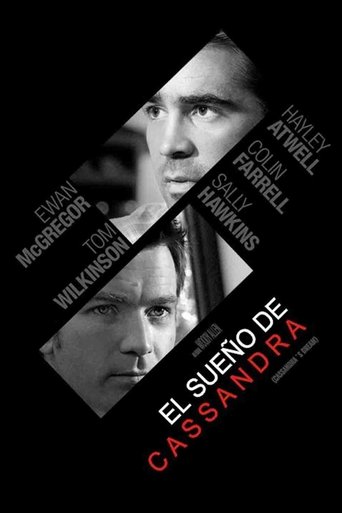
Cassandra's Dream
2007 · Película

El amigo de mi hermana
2011 · Película

Boy
2010 · Película

La fuerza del cariño
1983 · Película

El regreso a la laguna azul
1991 · Película

In the Bedroom
2001 · Película

Cazando Salvajes
2016 · Película

Nada En Común (Nothing in Common)
1986 · Película
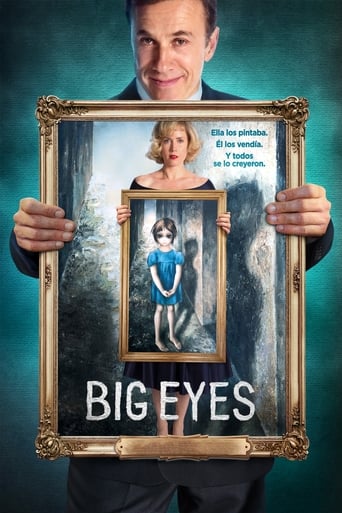
Ojos grandes
2014 · Película

Cuestión de sangre
2021 · Película

Tiempo límite
2003 · Película

Please Give
2010 · Película

Carbon Copy
1981 · Película
Similares

ハワイアン・ドリーム
1987 · Película

Los pequeños Focker
2010 · Película

Delta de Venus
1995 · Película

Dieci minuti
2024 · Película
Luider dan haar schreeuw
2019 · Película

อยากบอกให้รู้ว่ารัก
2015 · Película

Who Did I Marry?
2013 · Película

Mi gran boda griega
2002 · Película

Amor y tesoro
2008 · Película

Olas salvajes
2002 · Película

Илиана. Верь мне
2020 · Película

La Elección
1999 · Película

Jerry Maguire, seducción y desafío
1996 · Película

Cómplices
1996 · Película