


Película · 1973
Malachi's Cove
Dirección: Henry Herbert
Reparto

Donald Pleasence
Malachi

David Bradley
Barty

Veronica Quilligan
Mally

Peter Vaughan
Mr. Gunliffe
Lillias Walker
Mrs. Gunliffe
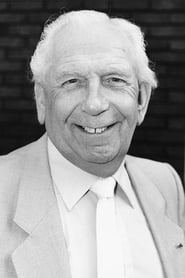
Arthur English
Jack Combes
David Howe
Jake Combes
Kennaley Hoyle
Matt Combes

John Barrett
Polwarth
Alan Hockey
Dr. Petherick

George Malpas
Mr. Eliot

Meg Wynn Owen
Mally's mother
Peter Wyatt
Mr. Carew
David Foxxe
Solicitor's Clerk
Dónde ver
Suscripción
 Netflix
 Netflix Standard with Ads
Ficha técnica
- Idiomas
- English
- Países
- United Kingdom
- Productoras
- Impact Quadrant| Penrith
Críticas
(CASTELLANO) La costa puede ser preciosa, el viento puede azotar con fuerza, las rocas pueden tener toda la dureza del mundo y Donald Pleasence puede aparecer por ahí con su presencia rara y siempre interesante. Pero nada de eso consiguió quitarme la sensación de estar viendo un rollo patatero bastante importante. La película tiene todos los elementos para parecer más intensa de lo que es: una niña huérfana, un abuelo inválido, un pueblo hostil, una cala aislada, algas que se recogen como medio de supervivencia, resentimiento, pobreza, un conflicto con otro chico y una especie de despertar emocional. Sobre el papel suena a drama rural áspero, de esos pequeños y tristes. En la práctica, a mí se me hizo un petardo. Entiendo lo que puede haber visto otra gente en ella. Tiene paisajes bonitos, una atmósfera pobre y húmeda, cierto aire de cuento victoriano cruel y esa idea de una chica medio salvaje, rechazada por todos, peleando por defender lo único que cree suyo. También es verdad que está basada en un relato de Anthony Trollope y que la crítica francesa que me pasaste la mira con cariño, como un pequeño drama sensible, raro, casi rescatado del olvido. Puedo comprenderlo desde fuera. Pero una cosa es comprender sus intenciones y otra muy distinta que te funcione mientras la estás viendo. Y conmigo no funcionó casi nunca. El problema principal es el ritmo. No hablo de que una película sea lenta, porque hay películas lentas maravillosas. Hablo de esa lentitud que no se transforma en tensión, ni en emoción, ni en misterio, ni en belleza suficiente. La historia avanza como arrastrando las mismas algas que recoge la protagonista: pesada, húmeda, con esfuerzo y sin demasiado premio. La rivalidad con el chico, el resentimiento hacia el pueblo, la vida con el abuelo y el aislamiento de la cala deberían ir acumulando dolor, pero muchas escenas parecen quedarse a medio camino, como si la película confiara demasiado en el paisaje y en la tristeza de la situación para sostenerlo todo. Veronica Quilligan tiene fuerza física y una presencia curiosa como Mally, eso sí. Hay algo terco y animal en ella que encaja con ese entorno de barro, espuma y roca. Donald Pleasence también aporta algo simplemente por estar, aunque su personaje queda más como figura áspera y pintoresca que como una verdadera emoción. El problema es que la película no consigue que esos personajes me importen lo suficiente. Sé que sufren, sé que están solos, sé que el pueblo los mira mal, pero todo me llegó con una distancia enorme. Incluso los momentos que deberían resultar conmovedores o dramáticos me dejaron más pendiente de cuánto quedaba que de lo que les estaba pasando. Visualmente tiene cosas defendibles. La costa de Cornualles, o al menos esa idea de costa pobre y peligrosa, le da carácter. Las rocas, las olas, los caminos difíciles y esa labor casi absurda de recoger algas podrían haber construido una película muy física, muy pegada al cansancio y a la supervivencia. Pero la copia que circula, con esa imagen apagada y algo deslucida, tampoco ayuda demasiado. Hay quien dirá que ese aspecto le da más melancolía; a mí me dio más sensación de película vieja mal conservada que de belleza áspera. Y los acentos, las interpretaciones secundarias y cierta pobreza de producción tampoco ayudan a que el conjunto levante el vuelo. Lo que más me pesa es que la historia parece buscar una emoción sencilla y noble, pero tarda tanto en llegar y lo hace de una manera tan elemental que no me compensó el trayecto. La niña marginada, el chico que invade su territorio, el accidente, el gesto de salvación y la posible reconciliación final tienen una estructura de cuento moral bastante clara. El problema es que el cuento, para mí, no respira. No tiene la crueldad suficiente para ser realmente duro, ni la delicadeza suficiente para emocionarme, ni la energía suficiente para entretenerme. Se queda en una zona gris, respetable quizá, pero muy poco estimulante. Al final, más que una joya olvidada, yo vi una rareza envejecida y bastante plomiza. No niego que tenga algún atractivo para quien disfrute de dramas rurales británicos muy sencillos, de historias infantiles con dureza victoriana o de películas pequeñas rescatadas casi por arqueología. Pero mi experiencia fue otra: se me hizo larga, seca, torpe por momentos y emocionalmente bastante pobre. Tiene paisaje, tiene un par de presencias interesantes y tiene una premisa que podría haber dado más. Pero como película me pareció un tostón considerable. Un petardo con algas, viento y mucha cara de sufrimiento. (ENGLISH) The coast may be beautiful, the wind may hit hard, the rocks may have all the harshness in the world and Donald Pleasence may appear with that strange, always interesting presence of his. But none of that removed the feeling that I was watching a fairly heavy bore. The film has all the elements to seem more intense than it is: an orphaned girl, a disabled grandfather, a hostile village, an isolated cove, seaweed collected as a means of survival, resentment, poverty, a conflict with another boy and a kind of emotional awakening. On paper, it sounds like a rough rural drama, small and sad. In practice, for me, it was a drag. I understand what other people may have seen in it. It has pretty landscapes, a poor and damp atmosphere, a certain cruel Victorian-tale feeling and the idea of a half-wild girl, rejected by everyone, fighting to defend the only thing she believes is hers. It is also true that it is based on a story by Anthony Trollope and that the French review you sent looks at it with affection, as a small, sensitive, rare drama, almost rescued from oblivion. I can understand that from the outside. But understanding its intentions is one thing, and having it work while you are watching it is something else entirely. And for me it almost never worked. The main problem is the rhythm. I am not talking about a film being slow, because there are wonderful slow films. I mean that kind of slowness that never turns into tension, emotion, mystery or enough beauty. The story moves as if dragging the same seaweed the protagonist collects: heavy, wet, effortful and without much reward. The rivalry with the boy, the resentment toward the village, life with the grandfather and the isolation of the cove should gradually accumulate pain, but many scenes feel halfway there, as if the film trusted too much in the landscape and the sadness of the situation to hold everything together. Veronica Quilligan does have physical force and a curious presence as Mally. There is something stubborn and almost animal in her that fits that world of mud, foam and rock. Donald Pleasence also brings something simply by being there, although his character remains more a rough, picturesque figure than a real emotional center. The problem is that the film never made me care enough about those characters. I know they suffer, I know they are alone, I know the village looks down on them, but everything reached me from a huge distance. Even the moments that should be moving or dramatic left me thinking more about how much was left than about what was happening to them. Visually, there are some defensible things. The Cornish coast, or at least that idea of a poor and dangerous coast, gives it character. The rocks, the waves, the difficult paths and that almost absurd work of collecting seaweed could have built a very physical film, very close to exhaustion and survival. But the circulating copy, with its faded and rather worn image, does not help much either. Some will say that this look gives it more melancholy; to me it felt more like an old, badly preserved film than rough beauty. And the accents, the supporting performances and a certain poverty of production do not help the whole thing take flight. What weighs on me most is that the story seems to be looking for a simple, noble emotion, but it takes so long to arrive and does so in such an elementary way that the journey was not worth it for me. The marginalized girl, the boy invading her territory, the accident, the act of rescue and the possible final reconciliation have a fairly clear moral-tale structure. The problem is that, for me, the tale does not breathe. It is not cruel enough to be truly harsh, not delicate enough to move me and not energetic enough to entertain me. It remains in a gray zone, perhaps respectable, but very unstimulating. In the end, more than a forgotten gem, I saw an aged and rather leaden curiosity. I do not deny that it may have some appeal for those who enjoy very simple British rural dramas, children's stories with Victorian harshness or small films rescued almost through archaeology. But my experience was different: it felt long, dry, clumsy at times and emotionally quite poor. It has landscape, a couple of interesting presences and a premise that could have offered more. But as a film, I found it a considerable slog. A bore with seaweed, wind and a lot of suffering faces.
Recomendadas

The River
1984 · Película
The Girl in the Book
2015 · Película

Una Pequeña Redención
2019 · Película

Los dos hemisferios de Lucca
2025 · Película

Skin
2009 · Película

La esperanza, esa cosa con plumas
2020 · Película

¿Qué hacemos con Maisie?
2013 · Película

Perfume de violetas
2001 · Película

Septiembre
1987 · Película
Gigi y Nate: Una gran amistad
2022 · Película

Sky
2016 · Película

Rosie
2019 · Película

Homeless to Harvard: The Liz Murray Story
2003 · Película

Cola de tigre
2020 · Película