


Sigue la historia de los Von Erich, una dinastía de luchadores que tuvo un gran impacto en el deporte desde la década de 1960 hasta la actualidad.
Reparto

Zac Efron
Kevin Von Erich

Jeremy Allen White
Kerry Von Erich

Harris Dickinson
David Von Erich

Stanley Simons
Mike Von Erich

Holt McCallany
Fritz Von Erich

Maura Tierney
Doris Von Erich

Lily James
Pam

Grady Wilson
Young Kevin
Valentine Newcomer
Young David

Scott Innes
Ring Announcer

Chavo Guerrero Jr.
The Sheik

Garrett Hammond
Sportatorium Referee #1
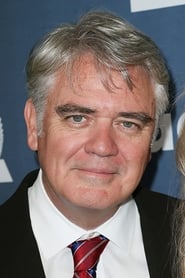
Michael Harney
Bill Mercer

Jullian Dulce Vida
Sound Man
Tráiler
Dónde ver
Suscripción
 Amazon Prime Video
 Movistar Plus+ Ficción Total
 HBO Max
 Amazon Prime Video with Ads
 HBO Max Amazon Channel
Alquiler
 Apple TV Store
 Rakuten TV
 Amazon Video
Compra
Apple TV StoreRakuten TVAmazon VideoFicha técnica
- Título original
- The Iron Claw
- Idiomas
- English
- Países
- United Kingdom, United States of America
- Productoras
- House Productions| BBC Film| A24| Access Entertainment
- Presupuesto
- USD 15,900,000
- Recaudación
- USD 40,130,232
Cifras en dólares, según TMDb.
Críticas
(CASTELLANO) La lucha libre puede parecer el centro de la historia, pero muy pronto queda claro que aquí el verdadero combate está dentro de la familia. Sean Durkin utiliza el mundo del wrestling como escenario para hablar de algo mucho más duro: la presión paterna, la masculinidad entendida como resistencia absoluta, el miedo al fracaso y la forma en que una familia puede quedar atrapada en una idea de fortaleza que termina haciéndole daño. Zac Efron sorprende muchísimo. Su transformación física llama la atención al principio, pero lo importante termina siendo otra cosa: la manera en que interpreta a Kevin desde la contención. Hay una enorme tristeza acumulada en su forma de mirar, de obedecer, de intentar estar a la altura y de querer proteger a los suyos sin saber realmente cómo hacerlo. Holt McCallany resulta fundamental como Fritz. No necesita convertirse en un monstruo evidente para generar rechazo. Lo inquietante es precisamente que su dureza está presentada como disciplina, protección y preparación para un mundo hostil. Quiere hijos fuertes, vencedores, incapaces de quebrarse, y esa idea acaba funcionando como una herencia emocional mucho más pesada que cualquier cinturón de campeón. Los hermanos están muy bien diferenciados. Harris Dickinson, Jeremy Allen White y Stanley Simons consiguen que la relación entre ellos tenga calidez, competencia, admiración y dependencia sin necesidad de convertir cada escena en una declaración explícita. La película funciona mejor cuando simplemente los deja estar juntos, porque ahí se entiende por qué todo lo que afecta a uno termina golpeando a los demás. La llamada “maldición” de los Von Erich es una idea muy potente porque la película nunca necesita tratarla como algo sobrenatural. Puede entenderse como una forma desesperada de poner nombre a una acumulación de desgracias, pero también como una manera de hablar de patrones familiares, expectativas imposibles y dolor transmitido de una generación a otra. Durkin evita convertir la historia en una película deportiva convencional. Los combates importan, están rodados con fuerza y ayudan a entender el mundo en el que viven, pero la victoria nunca es la verdadera meta de la película. Lo que importa es lo que ocurre alrededor: qué significa ganar para ese padre, qué precio tiene convertirse en el hijo adecuado y cuánto puede soportar alguien antes de dejar de reconocer su propia vida. También me gustó la ambientación. El paso del prólogo en blanco y negro al color funciona como separación entre generaciones y da desde el principio la sensación de que los hijos están entrando en una historia que ya había comenzado antes de ellos. La música, la fotografía y el aspecto físico de los luchadores ayudan a construir un mundo muy concreto sin convertirlo en una exhibición nostálgica. Es una película tremendamente triste, pero no creo que busque manipular de forma barata. Su fuerza está en la acumulación, en cómo una familia aparentemente unida va revelando todo el peso que lleva encima. Hay momentos en los que el melodrama está muy cerca, pero las interpretaciones y la sobriedad general evitan que se convierta en simple explotación de la tragedia. El clan de hierro me ha dejado tocado. No hace falta tener ningún interés previo por la lucha libre para entrar en ella, porque en el fondo habla de padres e hijos, hermanos, expectativas, culpa, cariño y de esa educación masculina que confunde fortaleza con no poder mostrar nunca que estás roto. Es dura, muy triste y, precisamente por eso, profundamente humana. (ENGLISH) Professional wrestling may look like the center of the story, but it soon becomes clear that the real fight is taking place inside the family. Sean Durkin uses the wrestling world as a setting for something much harsher: paternal pressure, masculinity understood as absolute endurance, fear of failure, and the way a family can become trapped inside an idea of strength that ends up hurting everyone. Zac Efron is genuinely surprising. His physical transformation is striking at first, but what matters is something else: the restraint with which he plays Kevin. There is enormous sadness stored in the way he looks, obeys, tries to measure up and attempts to protect the people he loves without really knowing how. Holt McCallany is essential as Fritz. He never needs to become an obvious monster to create discomfort. What makes him disturbing is precisely that his harshness is presented as discipline, protection and preparation for a hostile world. He wants strong sons, winners, men incapable of breaking, and that idea becomes an emotional inheritance far heavier than any championship belt. The brothers are very well differentiated. Harris Dickinson, Jeremy Allen White and Stanley Simons give their relationship warmth, competition, admiration and dependence without turning every scene into an explicit declaration. The film works best when it simply allows them to be together, because that is when we understand why anything that affects one of them inevitably hits the others too. The so-called Von Erich “curse” is a powerful idea because the film never needs to treat it as something supernatural. It can be understood as a desperate way of naming an accumulation of misfortune, but also as a way of talking about family patterns, impossible expectations and pain passed from one generation to the next. Durkin avoids turning the story into a conventional sports movie. The matches matter, they are filmed with force and help us understand the world these men inhabit, but victory is never the film’s true destination. What matters is everything around it: what winning means to that father, what it costs to become the right kind of son, and how much a person can endure before losing sight of his own life. I also liked the period atmosphere. The movement from the black-and-white prologue into color works as a separation between generations and immediately creates the feeling that the sons are stepping into a story that began before them. The music, cinematography and physical presence of the wrestlers build a very specific world without turning it into a nostalgic showcase. It is an extremely sad film, but I do not think it tries to manipulate cheaply. Its power comes from accumulation, from the way an apparently united family gradually reveals the weight it is carrying. There are moments when melodrama comes very close, but the performances and the overall restraint keep it from becoming simple exploitation of tragedy. The Iron Claw left me shaken. You do not need any previous interest in professional wrestling to connect with it, because underneath it is about fathers and sons, brothers, expectations, guilt, affection, and a kind of masculine upbringing that confuses strength with never being allowed to show that you are broken. It is harsh, deeply sad and, precisely because of that, profoundly human.
Recomendadas

Foxcatcher
2014 · Película

La ley del más fuerte (Out of the Furnace)
2013 · Película

El Más Grande
2018 · Película

The Indian Runner
1991 · Película

Hellion
2014 · Película

Back Roads
2019 · Película

El Poder Del Perro
2021 · Película

Idaho: El camino de mis sueños
1991 · Película

Legado de violencia
2004 · Película

Los ojos de Tammy Faye
2021 · Película

1985
2018 · Película

Irremediablemente juntos
2014 · Película

Dead Man's Shoes
2004 · Película

James Brown: El rey del soul
2014 · Película
Similares

Amenaza en la Sombra
1973 · Película

El síndrome de China
1979 · Película
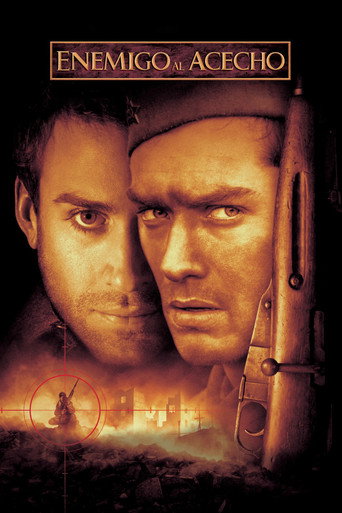
Enemigo al Acecho
2001 · Película

La caída del halcón negro
2001 · Película

Rescatando al soldado Ryan
1998 · Película

Sintonía de amor
1993 · Película

Jamaica Bajo Cero
1993 · Película

Fonda
— · Película

La chica de la aguja
2024 · Película

Buscada
2020 · Película

The Court Jester
2024 · Película

El Jugador
1961 · Película

El hombre que vino de las estrellas
1976 · Película

Criaturas celestiales
1994 · Película