
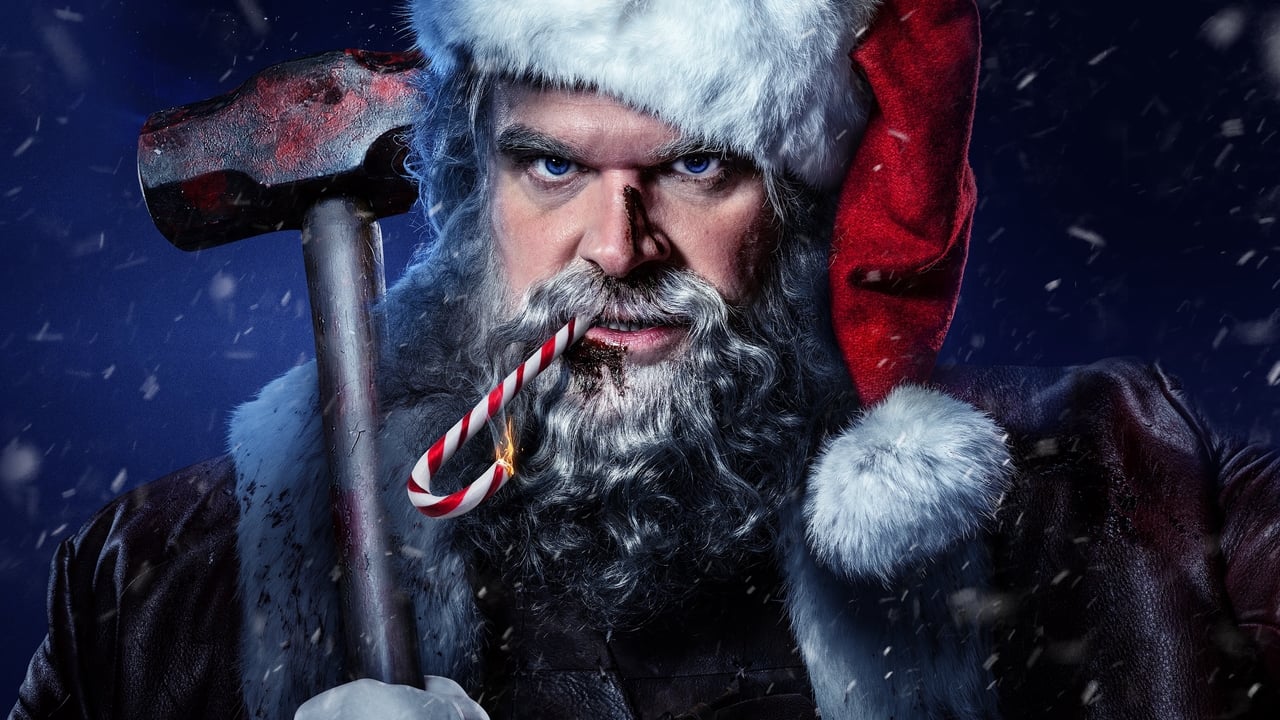

Cuando un equipo de mercenarios irrumpe en Nochebuena dentro de un complejo familiar adinerado y toma como rehenes a todos los que están dentro, no estaban preparados para un defensor sorpresa: Santa Claus (David Harbour) está en el edificio y a punto de demostrar por qué este Santa Claus, no es ningún santo.
Reparto











Dónde ver
Alquiler
 Rakuten TV
 Amazon Video
Compra
 Apple TV StoreRakuten TVAmazon Video
Ficha técnica
- Título original
- Violent Night
- Idiomas
- English, Português, Español
- Países
- Canada, United States of America
- Productoras
- 87North Productions| Universal Pictures| Original Pictures
- Presupuesto
- USD 20,000,000
- Recaudación
- USD 75,734,910
Cifras en dólares, según TMDb.
Críticas
(CASTELLANO) La idea podría haber dado lugar a una tontería monumental: convertir a Papá Noel en protagonista de una película de acción ultraviolenta y esperar que el chiste aguante casi dos horas. Lo sorprendente de Noche de paz es que funciona precisamente porque Tommy Wirkola no se avergüenza nunca de su propia premisa. La abraza, la exagera y la convierte en una mezcla de cuento navideño, comedia negra y festival de violencia que me ha hecho pasarlo estupendamente. David Harbour es fundamental. Su Papá Noel está cansado, bebe demasiado, está harto del consumismo y parece haber perdido buena parte de la fe en aquello que representa. Pero bajo ese desencanto sigue existiendo algo genuino: la necesidad de creer que la Navidad puede significar algo más que regalos y dinero. Harbour consigue que ese contraste entre el tipo enorme, malhumorado y derrotado y la figura más reconocible de la Navidad resulte divertido sin convertirse en una simple parodia. La película encuentra además una idea muy buena en enfrentar ese espíritu navideño con una violencia completamente desatada. Wirkola entiende que el chiste no consiste simplemente en ver a Santa pegando golpes, sino en aprovechar todo el imaginario de las fiestas para convertirlo en parte de la acción. Decoraciones, objetos cotidianos, símbolos navideños y escenarios familiares adquieren una función nueva y bastante más salvaje. Ahí está buena parte de la diversión. Y cuanto más se desmadra, mejor funciona. Las escenas de acción tienen una inventiva que agradecí muchísimo. No me interesó solo la cantidad de violencia, sino la creatividad con la que está planteada. Hay un placer casi de dibujo animado para adultos en ver cómo la película encuentra nuevas formas de combinar brutalidad y humor. Es exagerada, física, sangrienta y, sobre todo, consciente de que el exceso forma parte del espectáculo. Se nota mucho la mano de Tommy Wirkola, el director de Zombis nazis. Tiene el mismo gusto por el gore desvergonzado, la comedia macabra y esa sensación de que, si una idea es absurda, la mejor solución es llevarla todavía más lejos. Esa falta de solemnidad le sienta de maravilla. La película no intenta justificar intelectualmente lo que hace: quiere divertir y sabe exactamente qué herramientas utilizar. También funciona muy bien el homenaje a Solo en casa. La referencia es evidente, pero no se limita a copiarla; la lleva a un territorio mucho más adulto y violento. Lo que en una comedia familiar era slapstick imposible se convierte aquí en una versión sangrienta del mismo mecanismo. El contraste entre inocencia infantil y brutalidad funciona porque la película conoce perfectamente el material que está homenajeando. John Leguizamo entiende también el tono. Su antagonista tiene el grado justo de exageración para encajar en un mundo donde Papá Noel puede convertirse en héroe de acción sin que nadie necesite pedir demasiadas explicaciones. La película está llena de personajes deliberadamente excesivos, y eso ayuda a que el conjunto mantenga una lógica propia. No todo es perfecto. Hay subtramas familiares bastante convencionales, algunos personajes son caricaturas y el metraje podría haberse apretado un poco. Cuando la película se aleja de Harbour y de la acción, pierde energía. También hay momentos sentimentales que funcionan más por el espíritu navideño general que por una gran profundidad dramática. Pero incluso ahí me sorprendió que conservara algo de corazón. Debajo de la sangre, los golpes y el humor negro hay una película que, de forma completamente sincera, cree en la bondad, en la familia y en la posibilidad de recuperar cierta ilusión. Esa combinación entre cinismo y sentimentalismo podría haber sido insoportable; aquí, extrañamente, encaja. Eso explica que me haya parecido una película perfecta para volver a poner en Navidad, aunque desde luego no sea una película infantil. Su estética navideña puede engañar, pero la violencia es demasiado gráfica para confundirla con una aventura familiar convencional. Es una película navideña para adultos que disfruta destruyendo el decorado mientras, en el fondo, sigue defendiendo parte de su espíritu. Noche de paz me ha parecido la caña. David Harbour está perfecto, la violencia es imaginativa, el humor negro funciona y Wirkola entiende que una premisa así solo puede triunfar si se compromete con ella al cien por cien. No es una gran película en el sentido solemne del término, ni pretende serlo. Es algo quizá más difícil: una gamberrada muy bien hecha, tremendamente entretenida y con posibilidades reales de convertirse en una de esas películas que apetece recuperar cada Navidad. (ENGLISH) The idea could easily have turned into a monumental joke: make Santa Claus the hero of an ultra-violent action movie and hope the gag survives for almost two hours. What is surprising about Violent Night is that it works precisely because Tommy Wirkola is never embarrassed by his own premise. He embraces it, exaggerates it and turns it into a mixture of Christmas tale, black comedy and violent spectacle that I found enormously entertaining. David Harbour is essential. His Santa is tired, drinks too much, is fed up with consumerism and seems to have lost much of his faith in what he represents. Yet beneath that disenchantment there is still something genuine: a need to believe that Christmas can mean more than presents and money. Harbour makes the contrast between this huge, grumpy, defeated man and the most recognizable figure of Christmas funny without reducing him to a simple parody. The film also finds a very good idea in setting that Christmas spirit against completely unleashed violence. Wirkola understands that the joke is not simply watching Santa hit people, but using the entire imagery of the holidays as part of the action. Decorations, everyday objects, Christmas symbols and familiar settings take on a new and much more savage function. Much of the fun comes from that. And the more excessive it becomes, the better it works. The action scenes have an inventiveness I appreciated enormously. I was not interested only in the amount of violence, but in the creativity with which it is staged. There is an almost adult-cartoon pleasure in watching the film discover new ways to combine brutality and humor. It is exaggerated, physical, bloody and, above all, fully aware that excess is part of the show. Tommy Wirkola's hand is obvious, especially if you know Dead Snow. He brings the same taste for shameless gore, macabre comedy and the feeling that if an idea is ridiculous, the best solution is to push it even further. That lack of solemnity suits the material perfectly. The film does not try to justify itself intellectually: it wants to entertain and knows exactly which tools to use. The Home Alone homage works very well too. The reference is obvious, but the movie does more than simply copy it; it pushes the idea into a much more adult and violent territory. What functioned as impossible family slapstick there becomes a bloody variation on the same mechanism here. The contrast between childish innocence and brutality works because the film knows exactly what it is paying tribute to. John Leguizamo also understands the tone. His antagonist has just the right level of exaggeration for a world where Santa can become an action hero without anyone demanding too many explanations. The film is full of deliberately oversized characters, and that helps the whole thing maintain its own internal logic. Not everything is perfect. Some family subplots are very conventional, several characters are caricatures and the running time could have been tightened. Whenever the movie moves away from Harbour and the action, it loses energy. There are also sentimental moments that work more because of the general Christmas spirit than because of any great dramatic depth. Even so, I was surprised by how much heart it retains. Beneath the blood, blows and black humor is a film that sincerely believes in kindness, family and the possibility of recovering a little wonder. That mixture of cynicism and sentimentality could have been unbearable; strangely, it fits. That is why it feels like the kind of movie I could happily revisit at Christmas, although it is certainly not a children's film. The seasonal imagery can be misleading, but the violence is far too graphic to confuse it with a conventional family adventure. This is a Christmas movie for adults that enjoys destroying the decorations while still defending part of the spirit behind them. Violent Night was a blast for me. David Harbour is perfect, the violence is inventive, the black humor works and Wirkola understands that a premise like this can only succeed if the film commits to it completely. It is not a great movie in any solemn sense, nor does it want to be. It is something perhaps harder to achieve: a very well-made, hugely entertaining piece of mischief with real potential to become one of those films you want to revisit every Christmas.
Recomendadas

Deadpool
2016 · Película
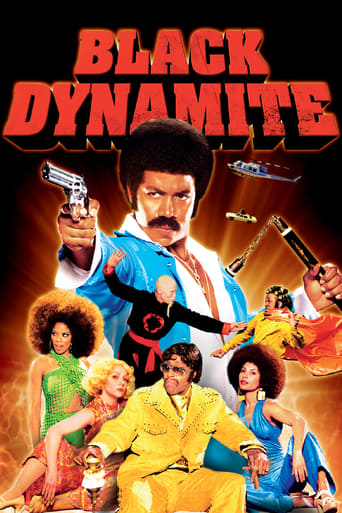
Black Dynamite
2009 · Película

Dogma
1999 · Película

Deadpool 2
2018 · Película

Duro de cuidar 2
2021 · Película
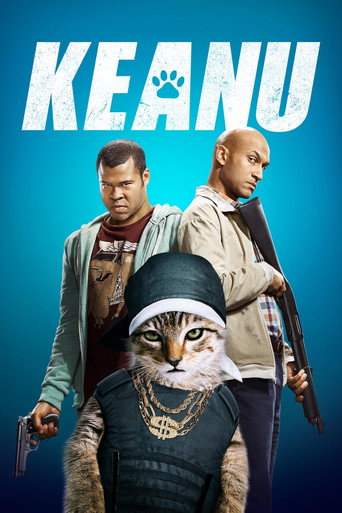
Keanu
2016 · Película

Cotton Comes to Harlem
1970 · Película

Espía por error
2016 · Película

Hombres de Verdad
1987 · Película
Dr. Strange
1978 · Película

La noche anterior
2015 · Película
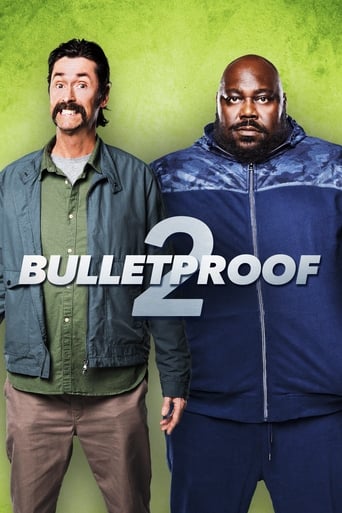
A prueba de balas 2
2020 · Película

Asesinatos accidentales
2018 · Película

Cazadores Del Fin Del Mundo
2025 · Película
Similares

Reunión familiar navideña
2019 · Película
The Doom Generation
1995 · Película

Better Off Dead...
1985 · Película

The Happy Elf
2005 · Película

La novia de mi mejor amigo
2008 · Película

Christmas in Connecticut
1945 · Película

Una Navidad De Locos
2004 · Película

La navidad de Garfield
1987 · Película
La Navidad de la Familia Muppet
1987 · Película

Lucas y el espíritu de la Navidad
2006 · Película

Robbie the Reindeer: Hooves of Fire
1999 · Película

Santa Claus Is Comin' to Town
1970 · Película

The Wash
2001 · Película

Cindy-Lou's Yule Log
2019 · Película