
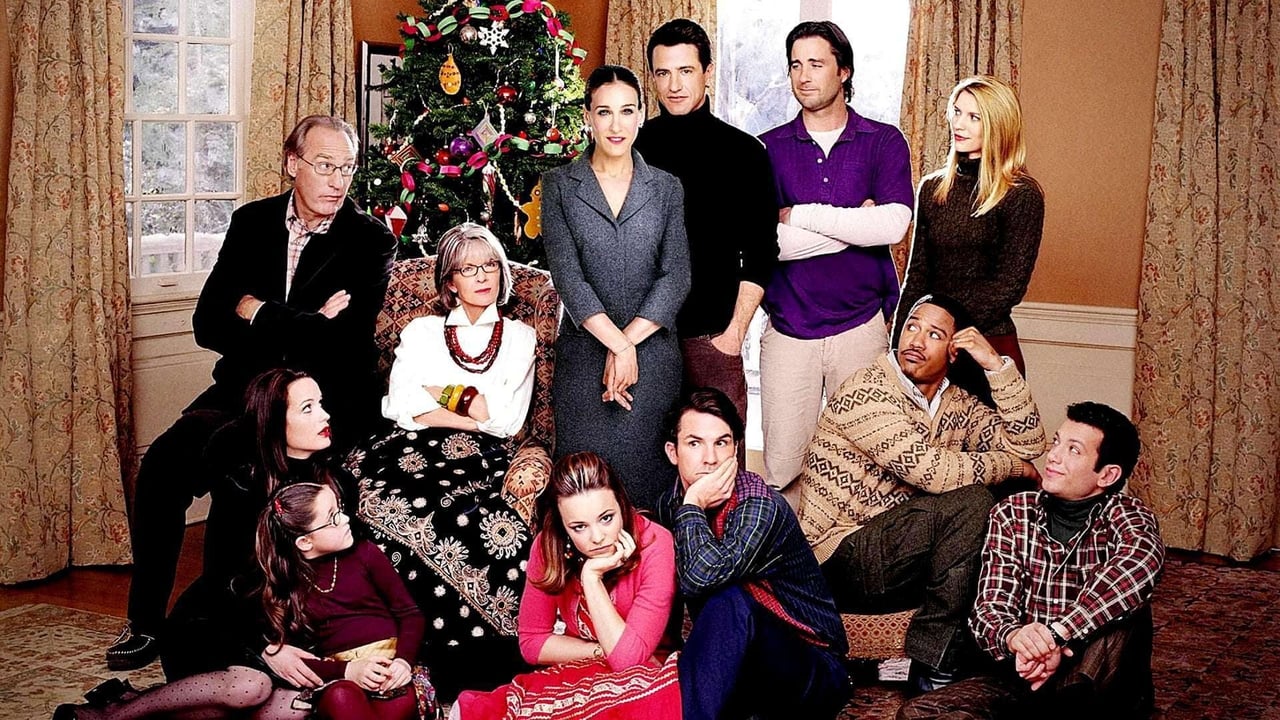

Los Stone, una familia de Nueva Inglaterra, se reúne en vacaciones. El hijo mayor lleva a casa a su novia para que conozca a sus padres, a sus hermanos y hermanas. Los bohemios Stone reciben a su visitante (una ambiciosa y controladora neoyorquina) con una mezcla de aturdimiento, confusión y hostilidad. Antes de que terminen las vacaciones, hay relaciones que se rompen y otras que se crean, se revelan secretos y la familia Stone va a seguir unida por su extraordinaria capacidad de amar. Sybil Stone es la matriarca y base de la familia Stone, una extrovertida mujer de rompe y rasga que sólo quiere lo mejor para sus cinco hijos. Increíblemente guapa, su cara refleja ahora una reciente nota de fragilidad o de fatiga, lo cual sugiere que quizás Sybil esconda un secreto.
Reparto

Dermot Mulroney
Everett Stone
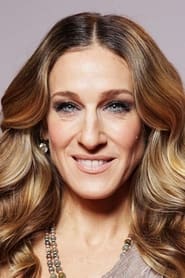
Sarah Jessica Parker
Meredith Morton

Diane Keaton
Sybil Stone
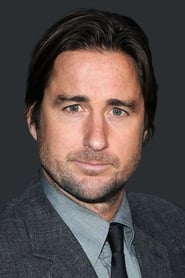
Luke Wilson
Ben Stone

Claire Danes
Julie Morton
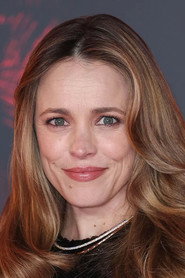
Rachel McAdams
Amy Stone
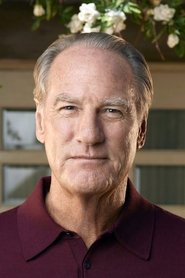
Craig T. Nelson
Kelly Stone

Tyrone Giordano
Thad Stone

Brian J. White
Patrick Thomas

Elizabeth Reaser
Susannah Stone Trousdale
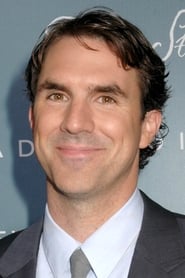
Paul Schneider
Brad Stevenson

Savannah Stehlin
Elizabeth Trousdale

Jamie Kaler
John Trousdale
Robert Dioguardi
David Silver
Dónde ver
Suscripción
 Amazon Prime Video
 Disney Plus
 Movistar Plus+
 Movistar Plus+ Ficción Total
 Amazon Prime Video with Ads
Alquiler
 Apple TV Store
 Rakuten TV
 Amazon Video
Compra
Apple TV StoreRakuten TVAmazon VideoFicha técnica
- Título original
- The Family Stone
- Idiomas
- English
- Países
- United States of America
- Productoras
- Fox 2000 Pictures| The Family Stone| Major Studio Partners| Michael London Productions| Pan Productions| 20th Century Fox
- Presupuesto
- USD 19,000,000
- Recaudación
- USD 92,884,429
Cifras en dólares, según TMDb.
Críticas
(CASTELLANO) Entrar en una familia que ya tiene sus propias reglas puede ser incómodo; hacerlo en Navidad, cuando todo el mundo parece esperar armonía, puede ser directamente hostil. La joya de la familia parte de esa fricción y durante buena parte de su metraje juega con una idea que sí me interesó: la diferencia entre una familia muy segura de sí misma y alguien que llega desde fuera sin entender del todo sus códigos. El problema es que la película me costó bastante desde el principio porque la forma en que la familia recibe a Meredith me pareció cruel. Ella es rígida, nerviosa, torpe socialmente y se equivoca muchas veces, pero eso no convierte automáticamente en simpáticos a quienes disfrutan haciéndola sentir fuera de lugar. La película pretende que parte de esa incomodidad sea divertida, pero conmigo muchas veces produjo el efecto contrario. Sarah Jessica Parker se entrega por completo a esa incomodidad. Construye a Meredith como alguien permanentemente tenso, intentando controlar cada gesto y cada palabra mientras todo a su alrededor parece empujarla a equivocarse. Hay momentos en que el personaje puede resultar irritante, pero precisamente por eso me pareció fácil comprender su ansiedad: está entrando en una familia que la juzga antes de conocerla. Diane Keaton aporta calidez y autoridad, y consigue que el núcleo familiar tenga una energía reconocible. Rachel McAdams se mueve con mucha soltura en un registro más ácido, mientras Luke Wilson aporta una ligereza que la película necesita para no quedarse atrapada en la hostilidad. El reparto es, de hecho, uno de sus puntos fuertes: incluso cuando el guion fuerza situaciones, casi siempre hay alguien capaz de darles algo de humanidad. La película cambia de tono varias veces. Empieza como comedia incómoda, se desplaza hacia el enredo romántico y poco a poco introduce un componente dramático familiar cada vez más evidente. Esa mezcla podría haber sido muy rica, pero a mí me pareció demasiado calculada. Se nota demasiado cuándo toca reír, cuándo toca reconciliar y cuándo toca emocionarse. Ese es probablemente mi mayor problema con la segunda mitad. Hay escenas construidas de forma muy consciente para provocar lágrimas, con música, miradas, silencios y gestos familiares que buscan tocar la fibra. No niego que puedan funcionar para muchos espectadores, pero yo noté demasiado el mecanismo. Cuando una película quiere emocionarme de forma tan evidente, necesito que antes haya construido una relación más fuerte con los personajes. El enredo sentimental tampoco terminó de convencerme. Más que sentir que las relaciones evolucionaban de forma orgánica, tuve la impresión de que el guion iba recolocando a los personajes para que todo encajara dentro de una estructura romántica muy reconocible. Hay química en algunos cruces y momentos agradables, pero el conjunto me pareció demasiado diseñado. También hay algo interesante en el contraste entre la imagen que la familia tiene de sí misma —abierta, moderna, espontánea— y la facilidad con la que puede ser intolerante con alguien que no encaja en su manera de ser. Esa contradicción podría haber dado lugar a una película más incisiva. Aquí aparece, pero el guion termina suavizándola para mantener el tono de comedia dramática navideña. Visualmente no hay demasiado que destacar. Thomas Bezucha dirige con corrección y deja espacio a los actores, pero la puesta en escena es funcional. La casa, la decoración y el ambiente navideño ayudan a crear familiaridad, aunque nunca tuve la sensación de estar ante una película especialmente personal desde la dirección. Lo mejor está en el reparto y en algunos momentos donde la película deja de intentar ser ingeniosa o conmovedora y simplemente observa a una familia imperfecta. Ahí sí aparece algo auténtico: personas que se quieren y al mismo tiempo se hacen daño, que creen conocerse perfectamente y que descubren que no siempre entienden a quienes tienen delante. Pero el resultado final me dejó bastante frío. Tiene algún embrollo eficaz, actores muy conocidos, momentos simpáticos y otros deliberadamente emotivos, pero nada de ello terminó por dejarme una huella especial. La película quiere ser cálida, divertida, romántica y triste al mismo tiempo, y en esa mezcla termina pareciéndome más calculada que espontánea. La joya de la familia no me parece desastrosa, pero sí completamente prescindible. Entiendo perfectamente que pueda funcionar como película navideña recurrente para quien conecte con estos personajes y con su mezcla de humor y sentimentalismo. Yo no lo hice. Me quedo con el reparto y con alguna observación interesante sobre las familias que presumen de tolerancia, pero el conjunto me resultó demasiado convencional y demasiado empeñado en decirme cuándo debía emocionarme. (ENGLISH) Walking into a family that already has its own rules can be uncomfortable; doing it at Christmas, when everyone seems to expect harmony, can become openly hostile. The Family Stone starts from that friction and, for much of its running time, plays with an idea I did find interesting: the difference between a family completely comfortable with itself and someone arriving from outside without understanding its codes. My problem is that the film lost me early because the way the family treats Meredith often felt cruel. She is rigid, nervous, socially awkward and makes plenty of mistakes, but that does not automatically make the people who enjoy making her feel unwelcome sympathetic. The film wants some of that discomfort to be funny, but for me it often had the opposite effect. Sarah Jessica Parker fully commits to that awkwardness. She builds Meredith as someone permanently tense, trying to control every gesture and every word while everything around her seems designed to make her fail. The character can be irritating, but that is exactly why I found her anxiety easy to understand: she enters a family that has judged her before really knowing her. Diane Keaton brings warmth and authority, giving the family a recognizable energy. Rachel McAdams is very comfortable in a sharper register, while Luke Wilson brings the lightness the film needs to avoid becoming trapped in hostility. The cast is actually one of its strongest assets: even when the screenplay forces situations, there is usually someone capable of giving them a little humanity. The film changes tone several times. It begins as uncomfortable comedy, moves toward romantic entanglement and gradually introduces a more overt family drama. That mixture could have been rich, but to me it felt too calculated. You can often feel exactly when you are supposed to laugh, reconcile or become emotional. That is probably my biggest problem with the second half. Several scenes are very consciously built to make the audience cry, using music, looks, silences and family gestures to press the emotional buttons. I do not deny that they may work for many viewers, but I could feel the mechanism too clearly. When a film wants to move me this openly, I need it to have built a stronger connection to the characters first. The romantic complications did not fully convince me either. Rather than feeling that relationships developed organically, I often had the impression that the screenplay was rearranging characters so everything would fit a very recognizable romantic structure. There is chemistry in some pairings and a few pleasant moments, but the overall design felt too visible. There is also something interesting in the contrast between the family's image of itself —open-minded, modern and spontaneous— and how easily it can become intolerant toward someone who does not fit its way of being. That contradiction could have supported a sharper film. It is present here, but the script eventually softens it in order to preserve the Christmas dramedy tone. Visually, there is not much to highlight. Thomas Bezucha directs competently and gives the actors room, but the staging is functional. The house, decorations and Christmas atmosphere create familiarity, although I never felt I was watching a particularly personal piece of filmmaking. The best moments come from the cast and from the few scenes where the film stops trying to be witty or moving and simply observes an imperfect family. That is where something authentic appears: people who love one another and still hurt one another, who believe they know each other perfectly and discover that they do not always understand the person in front of them. But the final result left me fairly cold. There are a few effective complications, a famous cast, some pleasant moments and others deliberately designed to be emotional, yet none of it left much of a mark on me. The film wants to be warm, funny, romantic and sad at the same time, and in that mixture it ended up feeling more calculated than spontaneous. The Family Stone is not a disaster, but I found it completely disposable. I can understand why it might become a recurring Christmas favorite for viewers who connect with these characters and with its blend of humor and sentimentality. I did not. I am left with the cast and with a few interesting observations about families that consider themselves tolerant, but the whole thing felt too conventional and too determined to tell me when I was supposed to feel something.
Recomendadas

Ni en tu casa ni en la mía
2008 · Película

Navidad con los Cooper
2015 · Película

¿Tu Navidad o la mía?
2022 · Película

Sólo amigos
2005 · Película

Un robo muy navideño
2025 · Película

¡Qué duro es el amor!
2021 · Película

El padre de la novia
2022 · Película

¿Tu navidad o la mía? 2
2023 · Película

Una Navidad escandalosa
2023 · Película

Make the Yuletide Gay
2009 · Película

Christmas Around the Corner
2018 · Película

Una Navidad en California: Luces de la ciudad
2021 · Película

Four Christmases and a Wedding
2017 · Película

A Christmas Wish
2019 · Película
Similares

Table for Five
1983 · Película
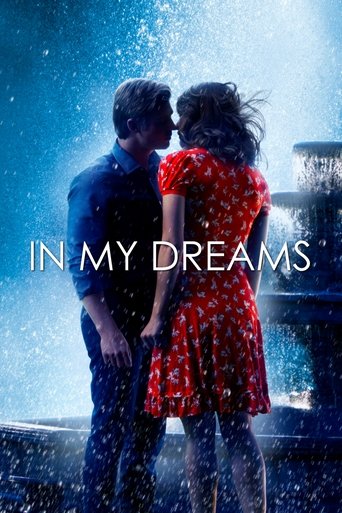
Soñando con el amor
2015 · Película

Silent Night, Lonely Night
1969 · Película

Ariel
1988 · Película

Forrest Gump
1994 · Película
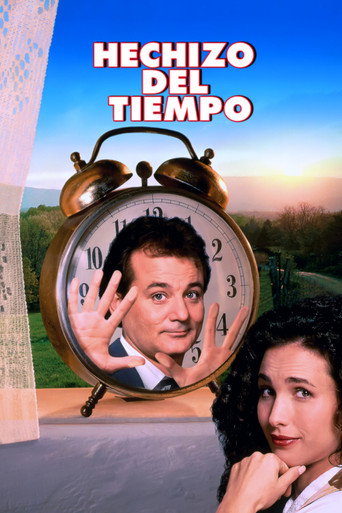
El día de la marmota
1993 · Película

De mendigo a millonario
1983 · Película

Tres son Multitud
2006 · Película

Buenos días, tristeza
1958 · Película

Resurrección satánica
1985 · Película

Makkers, staakt uw wild geraas
1960 · Película

La piel dura
1976 · Película

Les Biches
1968 · Película

The Rules of Attraction
2002 · Película