


En diferentes épocas, una familia pobre, un desarrollador ansioso y una casera harta se unen a la misma casa misteriosa en esta comedia negra animada.
Reparto

Mia Goth
Mabel (voice)

Matthew Goode
Raymond (voice)
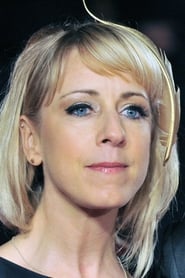
Claudie Blakley
Penelope (voice)
Eleanor De Swaef-Roels
Isobel (voice)
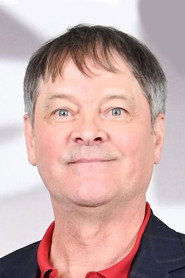
Mark Heap
Mr. Thomas (voice)

Stephanie Cole
Great Aunt Eleanor (voice)
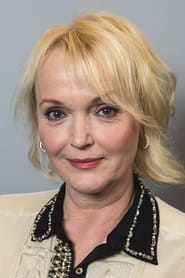
Miranda Richardson
Aunt Clarice (voice)
David Peacock
Uncle Lucien (voice)
Barnaby Pilling
Van Schoonbeek (voice)

Jarvis Cocker
Developer (voice)
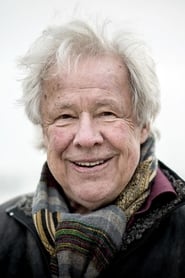
Sven Wollter
Odd Couple (voice)

Yvonne Lombard
Odd Couple (voice)

Bimini
Police Officer #1 (voice)
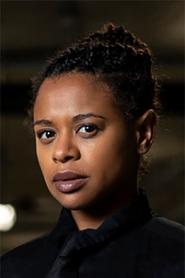
Ayesha Antoine
Police Officer #2 (voice)
Dónde ver
Suscripción
 Netflix
 Netflix Standard with Ads
Ficha técnica
- Título original
- The House
- Idiomas
- English
- Países
- United Kingdom
- Productoras
- Nexus Studios
Críticas
(CASTELLANO) Hay algo perturbador en contemplar un lugar construido para protegernos y comprobar cómo, poco a poco, empieza a dominar a quienes viven dentro. Esa es la idea que más me interesa de La casa, una antología en stop-motion formada por tres relatos muy diferentes que utilizan el mismo espacio para hablar, de distintas maneras, de personas incapaces de desprenderse de aquello que creían que iba a hacerlas felices. No la definiría como una película de terror convencional, y probablemente ahí estuvo parte de mi desconcierto. Llegué a ella después de verla incluida entre recomendaciones de terror y esperaba otra cosa. Aquí prácticamente no hay sustos, no existe esa tensión física que te hace mirar detrás de ti y tampoco pretende mantenerte con el corazón acelerado. Su territorio es otro: lo extraño, lo grotesco, la comedia negra, la fábula y una incomodidad que va creciendo lentamente. La primera historia es la que más se acerca a lo siniestro. Su mundo parece salido de un cuento infantil al que alguien ha ido retirando poco a poco cualquier sensación de seguridad. Los personajes, las habitaciones y el movimiento de las figuras tienen algo deliberadamente artificial, pero precisamente esa artificialidad produce inquietud. El stop-motion resulta perfecto para un relato donde todo parece familiar y, al mismo tiempo, ligeramente incorrecto. La idea central funciona muy bien: el deseo de mejorar la propia vida puede terminar haciendo que alguien deje de ver lo que está perdiendo. La casa representa comodidad, prestigio, ascenso y promesa, pero también obsesión. Lo que debería convertirse en hogar empieza a ocupar todo el espacio, no solo físicamente sino también dentro de quienes la habitan. El segundo relato cambia completamente el tono. Es más grotesco, más absurdo y bastante más cómico. Aquí la obsesión ya no está tanto en vivir mejor como en poseer, reformar, vender y controlar. La vivienda deja de ser un sueño familiar para convertirse en producto, inversión y fuente de ansiedad. Esa parte me parece especialmente curiosa porque utiliza animales antropomórficos y situaciones casi ridículas para hablar de algo muy reconocible: cuando una propiedad que debería darte seguridad termina convirtiéndose en una carga que absorbe todo tu tiempo, tu dinero y tu identidad. El humor negro funciona mejor que el supuesto terror. La tercera historia vuelve a modificar el registro y adopta un tono más melancólico. La casa ya no representa tanto la ambición como la incapacidad de dejar atrás algo a lo que te has aferrado demasiado tiempo. El edificio parece deteriorarse al mismo ritmo que la esperanza de quien insiste en mantenerlo todo como estaba. Las tres partes, por tanto, no están unidas por una trama tradicional, sino por una misma pregunta: ¿en qué momento algo que poseemos empieza a poseernos a nosotros? Visualmente es extraordinaria. El nivel de detalle del stop-motion es probablemente lo mejor de la película. Telas, paredes, muebles, pelo, polvo, objetos minúsculos y movimientos ligeramente imperfectos crean una textura que sería difícil conseguir con animación digital. Hay planos en los que uno puede casi imaginar el tacto de los materiales. Ahora bien, narrativamente no todos los relatos me interesaron por igual. Hay momentos en los que la extravagancia visual parece bastante más desarrollada que los propios personajes. Uno puede admirar muchísimo la técnica y, al mismo tiempo, permanecer algo distante de lo que está ocurriendo. Tampoco compraría demasiado la etiqueta de “gran película de terror”. Tiene elementos macabros, sobrenaturales, grotescos y desagradables, especialmente en su primera parte, pero su intención parece ser inquietar más que asustar. Para mí está mucho más cerca de una fábula surrealista para adultos con humor negro que del terror que puede representar Nunca apagues la luz o Insidious. Eso no supone un defecto en sí mismo. El problema aparece únicamente si uno entra esperando miedo. Vista como una obra de animación extraña sobre deseo, propiedad, obsesión y resistencia al cambio, resulta bastante más interesante. La casa posee una identidad visual magnífica y una idea temática clara que consigue atravesar tres historias enormemente distintas. No me ha dado miedo, pero sí me ha dejado imágenes raras, cierta incomodidad y una reflexión bastante reconocible: a veces dedicamos tanto esfuerzo a conseguir o conservar aquello que creemos que necesitamos que dejamos de preguntarnos si todavía nos hace bien. (ENGLISH) There is something unsettling about watching a place built to protect people gradually begin to control those who live inside it. That is what interests me most about The House, a stop-motion anthology made of three very different stories that use the same space to explore people who become unable to let go of something they once believed would make them happy. I would not describe it as conventional horror, and that probably explains some of my initial confusion. I approached it after seeing it recommended among horror films and expected something very different. There are hardly any traditional scares, little of the physical tension that makes you glance behind you, and no real attempt to keep your heart racing. Its territory is strangeness, grotesque imagery, dark comedy, fable and a slowly growing sense of discomfort. The first story comes closest to genuine horror. Its world feels like a children’s tale from which every trace of safety has gradually been removed. The characters, rooms and movements are deliberately artificial, but that artificial quality is exactly what makes them unsettling. Stop motion is perfect for a story in which everything appears familiar while remaining slightly wrong. Its central idea is strong: the desire to improve one’s life can become so powerful that people stop noticing what they are losing. The house represents comfort, status, advancement and promise, but also obsession. What should become a home begins occupying all available space, not only physically but psychologically. The second story changes the tone completely. It is more grotesque, more absurd and considerably funnier. The obsession is no longer mainly about living better, but about ownership, renovation, selling and control. The property stops being a family dream and becomes a product, an investment and a source of anxiety. I find that section particularly interesting because it uses anthropomorphic animals and ridiculous situations to explore something extremely recognizable: a property that should provide security can instead consume all of someone’s time, money and identity. The dark comedy works far better here than any supposed horror. The third story changes register again and becomes more melancholy. The house now represents less ambition than the inability to leave behind something to which a person has clung for too long. The building seems to deteriorate alongside the hope of someone determined to preserve everything exactly as it was. The three stories are therefore connected not by a conventional plot but by essentially the same question: at what point does something we own begin to own us? Visually, the film is extraordinary. The level of detail in the stop-motion animation is probably its greatest achievement. Fabrics, walls, furniture, fur, dust, tiny objects and slightly imperfect movements create a texture that would be difficult to reproduce with digital animation. Some shots almost make you imagine how the materials would feel beneath your fingers. Narratively, however, the stories did not engage me equally. At times, the visual eccentricity feels considerably more developed than the characters themselves. It is possible to admire the craftsmanship enormously while remaining emotionally distant from what is happening. I also would not fully embrace the label of “great horror movie.” There are macabre, supernatural, grotesque and disturbing elements, particularly in the first chapter, but the film seems more interested in creating unease than genuine fear. For me, it belongs much more naturally beside surreal adult fables and dark comedy than beside the kind of horror represented by Lights Out or Insidious. That is not inherently a weakness. It becomes a problem only if you arrive expecting to be frightened. Seen instead as a strange animated work about desire, property, obsession and resistance to change, it becomes considerably more interesting. The House has a wonderful visual identity and a clear thematic idea capable of connecting three radically different stories. It did not frighten me, but it left me with strange images, a lingering discomfort and a recognizable thought: sometimes we spend so much energy obtaining or preserving what we think we need that we stop asking whether it is still good for us.
Recomendadas

Wendell y Wild
2022 · Película

Minions y sus amigos: Volumen 1
2022 · Película

Papá, soy una zombi
2012 · Película

The Drawn Together Movie: The Movie!
2010 · Película
Las leyendas: El origen
2021 · Película

Max, el frijol invencible
2008 · Película
Los Simpson: Extreme Makeover: Edición Homero
2026 · Película
Strings
2004 · Película

Hellboy Animated: Sword of Storms
2006 · Película

Monster High: Amor Monstruoso
2012 · Película

Hechiceros
1977 · Película

Padre de familia presenta Blue Harvest
2007 · Película

Psiconautas
2015 · Película

La Liga de la Justicia Oscura
2017 · Película
Similares
The Last Whale Singer
2026 · Película

Thanatos Phobos
2026 · Película

A Fair Trade
2026 · Película

Rudolph y Frosty: Navidad en julio
1979 · Película

Zoochosis
— · Película

WALL·E's Treasures & Trinkets
2008 · Película

Un mundo extraño
2022 · Película

Simhall
2014 · Película

Esperando O Quê?
2024 · Película

Moving Parts
2024 · Película
Dulces sueños
2003 · Película

Rave Review
1995 · Película

The Sitter
2007 · Película

Leo
2023 · Película