


Ebony Jackson, una madre soltera, se muda con su familia para empezar de cero en un nuevo hogar, pero algo siniestro ya habita el lugar.
Reparto

Andra Day
Ebony Jackson

Glenn Close
Alberta Jackson

Anthony B. Jenkins
Andre Jackson

Caleb McLaughlin
Nate Jackson

Demi Singleton
Shante Jackson

Aunjanue Ellis-Taylor
Rev Bernice James
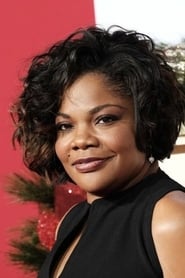
Mo'Nique
Cynthia Henry

Omar Epps
Melvin

Miss Lawrence
Asia
Javion Allen
Neighborhood Kid #1

Todd Anthony
Ahman

Bryant Bentley
Usher
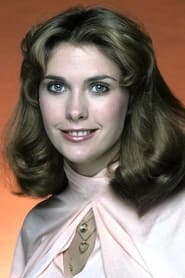
Colleen Camp
Doctor Hoffsteder

Cynthia Dallas
Nurse
Tráiler
Dónde ver
Suscripción
 Netflix
 Netflix Standard with Ads
Ficha técnica
- Título original
- The Deliverance
- Idiomas
- English
- Países
- United States of America
- Productoras
- Tucker Tooley Entertainment| Turn Left Productions| Lee Daniels Entertainment
Críticas
(CASTELLANO) Me dejó una sensación bastante irregular. Tenía elementos para interesarme: una historia de posesión supuestamente inspirada en hechos reales, una familia rota, pobreza, servicios sociales, culpa, religión, una casa que parece tragarse a quienes viven dentro y un reparto potente con Andra Day y Glenn Close. Pero la película nunca encuentra el equilibrio. Empieza con un drama familiar bastante más interesante que el terror posterior, y acaba cayendo en una mezcla de exorcismo, melodrama y espectáculo raro que no siempre funciona. Lo que más me llamó la atención es que la parte social y familiar tiene más fuerza que la sobrenatural. Cuando la película habla de una madre desbordada, de hijos que viven en una casa llena de tensión, de alcohol, pobreza, vigilancia institucional y heridas heredadas, hay algo incómodo y con posibilidad de ser distinto. Ahí se nota a Lee Daniels más seguro, más interesado en cuerpos, discusiones, miradas y violencia doméstica emocional que en construir una película de miedo pura. Andra Day sostiene bastante bien esa parte. Su personaje está escrito con brocha gorda muchas veces, pero ella consigue darle rabia, agotamiento y desesperación creíble. No es una madre idealizada ni una heroína limpia: es una mujer dañada, brusca, contradictoria, capaz de querer y de romper al mismo tiempo. Esa complejidad me parecía mucho más interesante que los trucos de posesión, porque ahí la película sí tenía un conflicto humano reconocible. Glenn Close es otro de los grandes reclamos, claro, aunque la película la usa de una forma extrañísima. Está entregada, no se puede negar, y tiene momentos en los que impone mucho simplemente por presencia. Pero también hay algo en su personaje que roza el exceso, casi la caricatura, como si la película no supiera si quiere hacerla trágica, grotesca, vulnerable o directamente escandalosa. Ni ella puede salvar del todo un conjunto que muchas veces lucha contra su propio tono. El problema llega cuando lo demoníaco empieza a ocupar el centro. No porque me moleste el terror religioso, sino porque aquí aparece de una forma demasiado conocida y poco imaginativa. Voces, cuerpos raros, miradas inquietantes, gritos, oración, posesión infantil, cura improvisado, fe como arma final. Todo eso puede funcionar si está bien construido, pero aquí me pareció demasiado derivativo. La película quiere ser grave, intensa y espiritual, pero varias escenas acaban cerca de lo ridículo. También hay una falta de medida importante. Daniels no es un director tímido, y eso puede ser interesante, pero aquí el exceso no siempre suma. El melodrama se hincha, el terror sube el volumen, los personajes gritan mucho y la película parece confiar en que la intensidad por sí sola va a convertirlo todo en algo profundo. A ratos lo consigue, porque hay imágenes y emociones con fuerza. Pero a ratos se pasa de rosca y convierte lo que debería inquietar en algo aparatoso. La idea de mezclar posesión demoníaca con prejuicios sociales, racismo, pobreza y maternidad dañada podía haber dado una película mucho más especial. De hecho, se intuye esa película mejor escondida debajo. Una versión más centrada en la familia, en los servicios sociales, en el juicio externo sobre una madre negra y en la frontera entre enfermedad, fe y terror habría sido mucho más potente. Pero cada vez que la historia encuentra una veta interesante, vuelve al manual del exorcismo. Tampoco me dio miedo de verdad. Puede tener momentos desagradables, alguna imagen llamativa y cierta incomodidad, pero no construye una amenaza que me atrapara. Lo que más pesa no es el demonio, sino la desgracia acumulada. Y eso provoca una contradicción rara: cuando quiere ser drama, interesa; cuando quiere ser película de posesiones, se vuelve más vulgar. Su mejor parte está en lo físico y familiar, no en los sobresaltos ni en la batalla espiritual. Aun así, no la metería en el saco de los desastres absolutos. Tiene reparto, tiene intención y tiene momentos en los que se nota que quiere hablar de algo más que de una casa encantada. Me parece fallida, sí, pero no vacía. El problema es que sus mejores ideas están rodeadas de clichés, exageraciones y decisiones de tono discutibles. Hay una película digna dentro, pero aparece y desaparece entre gritos, sermones y escenas de terror demasiado vistas. Al final, me queda como una película floja pero con puntos de interés. Mucho mejor cuando mira a sus personajes que cuando mira al demonio. Andra Day y Glenn Close se esfuerzan, el drama familiar tiene materia y el trasfondo social podía haber dado mucho juego, pero el terror de exorcismo es previsible, ruidoso y a veces involuntariamente ridículo. No me pareció un truño sin nada, pero sí una oportunidad desaprovechada: una historia con una buena semilla enterrada bajo demasiada posesión de saldo. (ENGLISH) It left me with a rather uneven feeling. It had elements that interested me: a possession story supposedly inspired by true events, a broken family, poverty, social services, guilt, religion, a house that seems to swallow its inhabitants and a strong cast. But it never finds its balance. It begins with a family drama that is much more interesting than the horror that follows, and ends up falling into a mixture of exorcism, melodrama and odd spectacle that does not always work. When the film speaks about an overwhelmed mother, about children living in a house full of tension, alcohol, poverty, institutional surveillance and inherited wounds, there is something uncomfortable there, and the possibility of something different. There Lee Daniels feels more confident, more interested in bodies, arguments, looks and emotional domestic violence than in pure horror. Andra Day carries that part fairly well. Her character is often written with a very broad brush, but she manages to give her rage, exhaustion and believable desperation. She is not an idealized mother or a clean heroine: she is a damaged, harsh, contradictory woman, capable of loving and breaking at the same time. That complexity seemed much more interesting to me than the possession tricks, because there the film did have a recognizable human conflict. Glenn Close is another of the big attractions, of course, although the film uses her in an extremely strange way. She is fully committed, that cannot be denied, and there are moments in which she imposes herself simply through presence. But there is also something in her character that brushes against excess, almost caricature, as if the film did not know whether it wanted to make her tragic, grotesque, vulnerable or downright scandalous. Not even she can fully save a whole that often fights against its own tone. Not because religious horror bothers me, but because here it appears in a way that is too familiar and unimaginative. Voices, strange bodies, unsettling looks, screams, prayer, child possession, an improvised priest, faith as the final weapon. All of that can work if it is well built, but here it felt too derivative to me. The film wants to be serious, intense and spiritual, but several scenes end up close to ridiculous. There is also a serious lack of measure. Daniels is not a timid director, and that can be interesting, but here excess does not always add anything. The melodrama swells, the horror raises the volume, the characters shout a lot and the film seems to trust that intensity by itself will turn everything into something deep. At times it succeeds, because there are images and emotions with force. But at times it goes too far and turns what should be unsettling into something showy and clumsy. Mixing demonic possession with social prejudice, racism, poverty and damaged motherhood could have produced a much more special film. In fact, you can glimpse that better film hidden underneath. A version more focused on family, social services, the outside judgment placed on a Black mother and the border between illness, faith and terror would have been stronger. But every time the story finds an interesting vein, it returns to the exorcism manual. It did not truly scare me either. It has unpleasant moments, a few striking images and some discomfort, but it does not build a threat that really gripped me. What weighs most is not the demon, but accumulated misery. And that creates a strange contradiction: when it wants to be drama, it is interesting; when it wants to be a possession film, it becomes more vulgar. Its best part is physical and familial, not in the jump scares or the spiritual battle. Even so, I would not place it among absolute disasters. It has a cast, it has intention and it has moments where you can feel that it wants to speak about more than a haunted house. It seems failed to me, yes, but not empty. The problem is that its best ideas are surrounded by clichés, exaggerations and questionable tonal decisions. There is a decent film inside it, but it appears and disappears among screams, sermons and horror scenes we have seen too many times. In the end, it remains a weak film with points of interest. Much better when it looks at its characters than when it looks at the demon. Andra Day and Glenn Close make an effort, the family drama has substance and the social background could have offered a lot, but the exorcism horror is predictable, noisy and sometimes involuntarily ridiculous. It did not seem like a dud with nothing in it, but it did feel like a wasted opportunity: a story with a good seed buried under too much bargain-bin possession.
Recomendadas

El hijo del diablo
2007 · Película

The Evil
1978 · Película

Play Dead: Escapar o morir
2022 · Película

Muerte en Invierno
1987 · Película
El juego de la tentación
2024 · Película

Don't Kill It
2016 · Película

El Exorcista III
1990 · Película

Cosecha Oscura
2023 · Película

Presencias Inexplicables
2020 · Película

Bloodline
2019 · Película

Carretera Forestal
2025 · Película

Bloodline Killer
2024 · Película

Hogar Dulce Hogar: Renacimiento
2025 · Película

El último rito
2021 · Película
Similares
Borderland
2007 · Película

Burnt Offerings
1976 · Película

Espejos siniestros
2008 · Película

Rose รักครั้งสุดท้าย
2013 · Película

Verdad y traición
2025 · Película

L'Instinct de mort
2008 · Película

Hombres frente a frente
1986 · Película

The Alphabet Killer
2008 · Película

Mannen utan ansikte
1995 · Película
The Chaser
2008 · Película

Luciano
1965 · Película
Sweet Country
2018 · Película

Agua sangrienta
2008 · Película

La Noche de los Drones
— · Película