
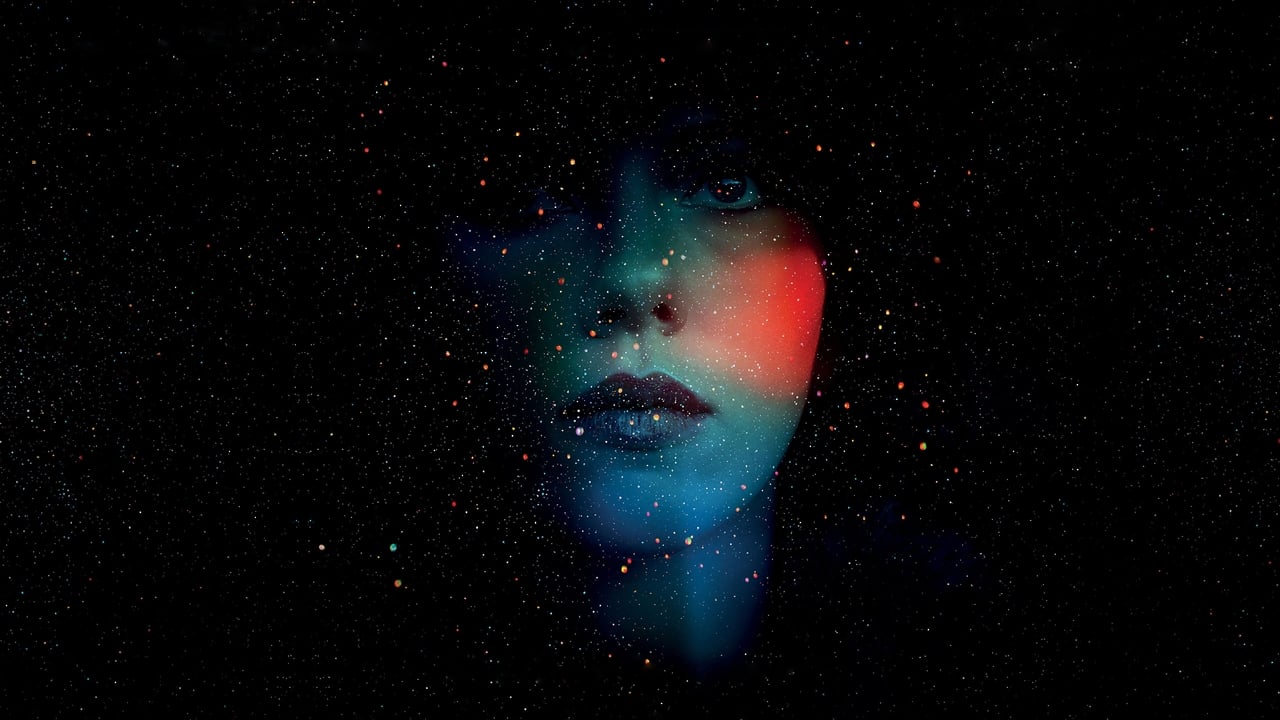

Película · 2014
Bajo la piel
Dirección: Jonathan Glazer
Una misteriosa mujer (Scarlett Johansson) deambula por las calles de Escocia, arrastrando a hombres solitarios y confiados a un destino fatal... Adaptación surrealista de la novela homónima de Michel Faber.
Reparto


Dónde ver
Suscripción
 Filmin
Ficha técnica
- Título original
- Under the Skin
- Idiomas
- English
- Países
- United Kingdom, United States of America, Switzerland
- Productoras
- Film4 Productions| BFI| Nick Wechsler Productions| JW Films| Sigma Films| Silver Reel| Creative Scotland| Seventh Kingdom Productions
- Presupuesto
- USD 13,300,000
- Recaudación
- USD 7,229,933
Cifras en dólares, según TMDb.
Críticas
**Sinceramente no me termino de convencer** Siento como que le falto algo, o que le sobro, quizá para un corto o una película de 80 minutos máximo hubiera estado perfecta.
(CASTELLANO) La ciencia ficción más inquietante no siempre necesita explicar de dónde viene una criatura, qué quiere exactamente o cómo funciona su mundo. Under the Skin entiende eso desde el principio y construye su fuerza a partir de la observación, el silencio y una sensación constante de extrañeza. Su premisa podría reducirse a algo casi cercano a Species: una presencia no humana utiliza apariencia femenina para atraer hombres. Pero Jonathan Glazer lleva esa idea a un terreno mucho más frío, abstracto y perturbador. Lo primero que impresiona es la forma en que mira a los seres humanos desde fuera. Scarlett Johansson interpreta a alguien que parece estudiar gestos, conversaciones, cuerpos y comportamientos como si estuviera aprendiendo una especie desconocida. Al principio esa mirada es clínica, casi depredadora, pero poco a poco empieza a aparecer algo más difícil de definir: curiosidad, desconcierto, vulnerabilidad. Ahí es donde la película deja de ser simplemente una historia de caza y se convierte en una reflexión sobre identidad y pertenencia. Johansson está extraordinaria precisamente porque hace muy poco. Su interpretación depende de pequeñas variaciones en la mirada, la postura y la forma de escuchar. No necesita explicar lo que siente; muchas veces ni siquiera sabemos si realmente siente lo que creemos estar viendo. Esa ambigüedad convierte su rostro y su cuerpo en parte esencial del relato. La película utiliza su belleza como herramienta de seducción, pero luego también la cuestiona: ¿qué significa habitar un cuerpo humano sin ser humano? El diseño visual es uno de los grandes logros. Los espacios oscuros, las superficies negras, las carreteras, la lluvia y los paisajes escoceses producen una mezcla extraña de realismo y pesadilla. Hay escenas que parecen casi documentales y otras que funcionan como imágenes mentales. Esa combinación hace que la película resulte familiar y alienígena al mismo tiempo. La música de Mica Levi es fundamental. No acompaña simplemente las imágenes: parece deformarlas. Sus sonidos repetitivos, ásperos y casi físicos convierten situaciones cotidianas en algo incómodo. Pocas bandas sonoras consiguen que la sensación de amenaza aparezca antes incluso de que sepamos por qué deberíamos sentirla. También me interesa mucho cómo selecciona a sus víctimas. No busca únicamente hombres disponibles, sino personas aisladas, sin vínculos fuertes, gente cuya ausencia podría tardar en notarse. Eso vuelve su conducta todavía más inquietante porque implica aprendizaje social: no solo comprende cómo atraer, sino también cómo identificar la vulnerabilidad. Pero la película empieza a cambiar cuando esa observación deja de ser unilateral. La protagonista comienza a experimentar aspectos de la vida humana que hasta entonces solo había utilizado desde fuera. La amabilidad, la intimidad, el deseo, el cuerpo, la confianza y el miedo dejan de ser simples mecanismos ajenos. Ese desplazamiento es lento, pero es lo que da verdadero peso emocional a una película que al principio parecía deliberadamente helada. Ahí aparece también una lectura muy potente sobre género y poder. Durante buena parte del metraje ella ocupa la posición de depredadora y los hombres son quienes quedan expuestos. Sin embargo, cuanto más se aproxima a la experiencia humana, más descubre que la vulnerabilidad también forma parte de ella. Glazer no convierte esto en una moraleja sencilla; lo deja flotando de una manera incómoda y bastante triste. No todo me funciona igual. El ritmo es muy lento y la repetición de ciertos patrones puede resultar agotadora. La narración es mínima y quien necesite explicaciones claras probablemente termine desesperado. Entiendo perfectamente que algunos espectadores la consideren vacía o pretenciosa. Es una película que exige aceptar que muchas preguntas no van a recibir respuesta. A mí, sin embargo, esa falta de explicación me parece una virtud. Cuanto menos concreta es la mitología, más inquietante resulta. Saber exactamente quiénes son, qué quieren o cómo funciona todo habría convertido la película en una ciencia ficción mucho más convencional. Glazer prefiere mantenernos en la misma posición de incertidumbre que su protagonista: observando algo que no terminamos de comprender. Under the Skin me ha parecido una película extraña, fría y muy bella, pero también más triste de lo que esperaba. Debajo de su superficie de ciencia ficción hay una historia sobre alguien que empieza mirando a los humanos como objetos y termina acercándose demasiado a aquello que intentaba imitar. Scarlett Johansson sostiene todo con una interpretación magnética y mínima, y Glazer consigue que el miedo nazca menos de lo que vemos que de la sensación de no saber del todo qué estamos viendo. (ENGLISH) The most unsettling science fiction does not always need to explain where a creature comes from, exactly what it wants or how its world works. Under the Skin understands that from the beginning and builds its power through observation, silence and a constant sense of strangeness. Its premise could almost be reduced to something close to Species: a non-human presence uses a female appearance to attract men. But Jonathan Glazer takes that idea somewhere much colder, more abstract and more disturbing. What stands out first is the way the film looks at human beings from the outside. Scarlett Johansson plays someone who seems to study gestures, conversations, bodies and behavior as if she were learning an unknown species. At first that gaze is clinical, almost predatory, but gradually something harder to define appears: curiosity, confusion, vulnerability. That is where the film stops being merely a hunting story and becomes a reflection on identity and belonging. Johansson is extraordinary precisely because she does so little. Her performance depends on tiny changes in her eyes, posture and the way she listens. She does not need to explain what she feels; often we are not even sure she feels what we think we are seeing. That ambiguity makes her face and body essential parts of the story. The film uses her beauty as a tool of seduction, then begins to question it: what does it mean to inhabit a human body without being human? The visual design is one of the film's greatest achievements. Dark spaces, black surfaces, roads, rain and Scottish landscapes create a strange mixture of realism and nightmare. Some scenes feel almost documentary-like, while others work like mental images. That combination makes the film feel familiar and alien at the same time. Mica Levi's score is fundamental. It does not simply accompany the images; it seems to distort them. Repetitive, abrasive, almost physical sounds turn ordinary situations into something uncomfortable. Few scores can create a feeling of threat before we even know why we should feel threatened. I am also fascinated by the way she chooses her targets. She is not simply looking for available men, but for isolated people with few strong ties, people whose absence might take longer to be noticed. That makes her behavior even more disturbing because it implies social learning: she understands not only how to attract, but how to identify vulnerability. The film begins to change when that observation stops being one-sided. The protagonist starts experiencing aspects of human life that she had previously used only from the outside. Kindness, intimacy, desire, the body, trust and fear stop being merely foreign mechanisms. That shift is slow, but it gives genuine emotional weight to a film that initially seemed deliberately cold. There is also a powerful reading here about gender and power. For much of the film she occupies the position of predator and men are the exposed ones. Yet the closer she gets to human experience, the more she discovers that vulnerability is part of it too. Glazer does not turn this into a simple moral lesson; he lets it remain uncomfortable and deeply sad. Not everything worked equally well for me. The pace is very slow, and the repetition of certain patterns can become tiring. The narrative is minimal, and anyone who needs clear explanations may end up frustrated. I can completely understand why some viewers might find it empty or pretentious. This is a film that asks you to accept that many questions will remain unanswered. For me, however, that lack of explanation is one of its strengths. The less specific the mythology becomes, the more disturbing it feels. Knowing exactly who they are, what they want or how everything works would turn the film into much more conventional science fiction. Glazer prefers to keep us in the same uncertain position as his protagonist: observing something we never fully understand. Under the Skin struck me as strange, cold and very beautiful, but also sadder than I expected. Beneath its science-fiction surface is a story about someone who begins by looking at humans as objects and ends up moving too close to what she was trying to imitate. Scarlett Johansson holds everything together with a magnetic, minimal performance, while Glazer makes the fear come less from what we see than from the feeling that we never completely understand what we are seeing.
Recomendadas

El hombre que vino de las estrellas
1976 · Película

The Return
1980 · Película

Depredador 2
1990 · Película

Amarga pesadilla
1972 · Película

Agente oculto
2022 · Película

El hombre sin sombra
2000 · Película

Fanny Lye Deliver'd
2019 · Película
El efecto Mandela
2019 · Película

No todo es lo que parece
2004 · Película

El Impostor
2001 · Película

Perros de paja
1971 · Película

Stargate SG-1: Children of the Gods
2009 · Película

Los expedientes secretos X: Quiero creer
2008 · Película

White Bird in a Blizzard
2014 · Película
Similares

Gösta Berlings saga
1924 · Película

Scooby-Doo! La locura del monstruo lunar
2015 · Película

Dejados Atrás 3: El Mundo en Guerra
2005 · Película

Suden vuosi
2007 · Película
Jäniksen vuosi
1977 · Película

Kuu on vaarallinen
1961 · Película

クワイエットルームにようこそ
2007 · Película

Invierno profundo
2010 · Película

Rymdinvasion i Lappland
1959 · Película

Coco Chanel & Igor Stravinsky
2009 · Película

Sorcerer
1977 · Película

Remembrance
1996 · Película

Espía a la caza
2023 · Película
Láska s vůní pryskyřice
1985 · Película