

Película · 2005
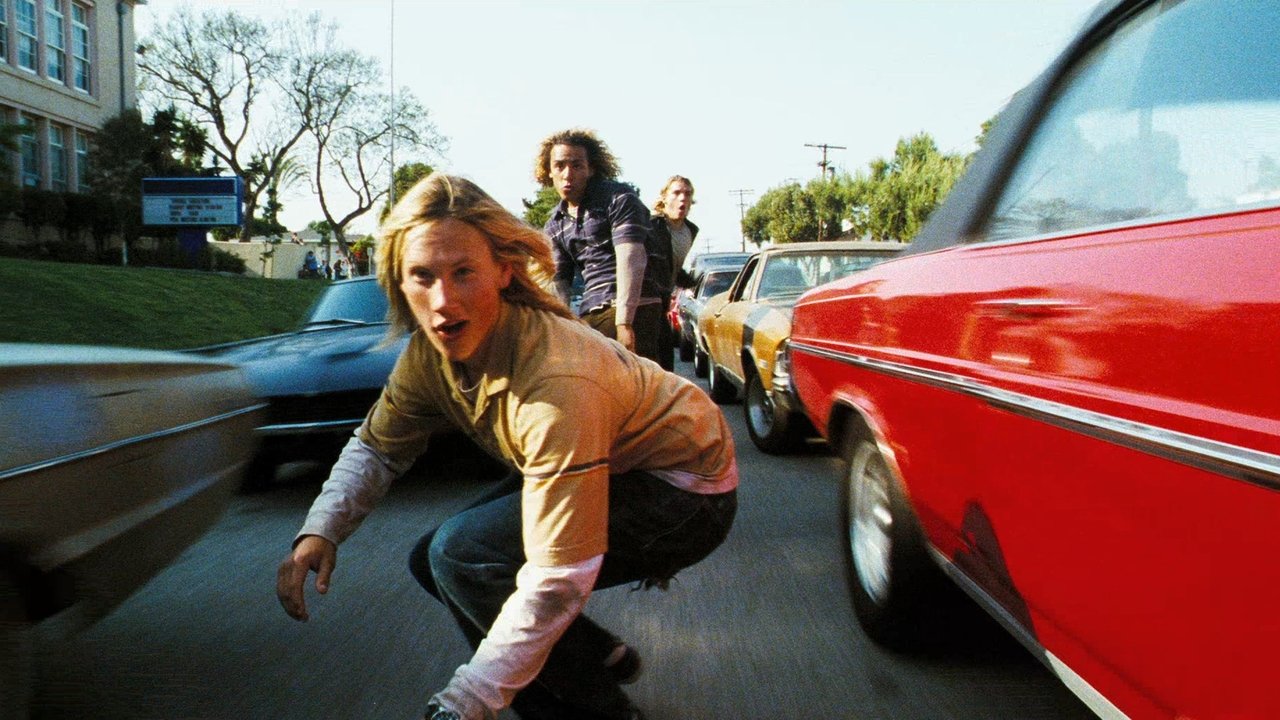
Los Amos de Dogtown
Dirección: Catherine Hardwicke
Años 70. Narra la historia de los legendarios Z-Boys, un grupo de jóvenes surferos y skaters del barrio de Dogtown, en Los Ángeles, que practicaban el surf en la playa de Venice. Cuando los Z-Boys difundieron este deporte, se hicieron enormemente populares en California.
Reparto











Dónde ver
Suscripción
 Netflix
 Netflix Standard with Ads
Alquiler
 Apple TV Store
 Amazon Video
Compra
Apple TV StoreAmazon VideoFicha técnica
- Título original
- Lords of Dogtown
- Idiomas
- English, Español
- Países
- Germany, United States of America
- Productoras
- Columbia Pictures| Linson Entertainment| Indelible Pictures| Senator International
- Presupuesto
- USD 25,000,000
- Recaudación
- USD 13,411,957
Cifras en dólares, según TMDb.
Críticas
(CASTELLANO) Lo que más me llegó fue la tristeza que hay debajo de toda esa energía. Tiene sol, música, cuerpos jóvenes, tablas bajando por calles imposibles, piscinas vacías convertidas en templos y libertad salvaje. Pero también tiene algo melancólico: la impresión de estar viendo a unos chicos tocar el cielo durante un rato y, al mismo tiempo, empezar a perder algo que no sabían que tenían. No es perfecta, pero sí una película con alma, ritmo y una historia real que deja un poso bonito y triste. Me gustó mucho cómo recupera ese mundo de California de los setenta, con la playa, la música, la suciedad del barrio, los talleres, los locales medio derruidos y esa mezcla de pobreza, rebeldía y estilo que acaba convirtiéndose en cultura. No es solo una película sobre un deporte. Es una película sobre un momento en el que unos chavales, casi sin darse cuenta, cambian algo. Patinan porque es lo que tienen, porque la calle es su sitio, porque el mar no siempre les pertenece y porque en esas piscinas secas encuentran una forma de volar sin despegarse del suelo. Ahí está lo mejor: la sensación física. Las escenas de skate tienen una energía muy contagiosa. Se nota la velocidad, el riesgo, el golpe posible, el cuerpo al límite. La cámara les da belleza sin convertirlos en postal limpia. Hay sudor, polvo, heridas, caídas, gritos, competición y una especie de euforia adolescente que la película transmite muy bien. Entiendo que para quien no tenga interés en el skate pueda parecer limitada, pero a mí me interesó porque lo que cuenta va más allá de la tabla. Habla de pertenecer a algo antes de que ese algo se convierta en negocio. También funciona la amistad, aunque sea una amistad imperfecta, llena de ego, celos y traiciones pequeñas. Al principio el grupo parece una familia improvisada: chicos unidos por el barrio, la tabla, la necesidad de escapar y ese mentor destrozado que representa el impulso inicial y la primera decepción adulta. Pero cuando llegan la fama, las marcas, el dinero y la mirada de fuera, todo empieza a romperse. La película muestra bien ese paso doloroso en el que una pasión compartida deja de ser solo un juego y se convierte en carrera, imagen, contrato y rivalidad. El reparto joven está muy bien. No todos los personajes tienen la misma profundidad, pero transmiten verdad, hambre y fragilidad. Emile Hirsch tiene esa mezcla de rabia, carisma y autodestrucción que le da mucha fuerza a Jay. John Robinson encaja como el chico más limpio, más icónico, casi convertido en imagen antes de entender del todo lo que eso significa. Victor Rasuk aporta energía y nobleza. Y Heath Ledger, con ese punto desastrado, pasado de rosca y patético, compone un adulto que parece querer proteger a los chicos mientras también los usa, los envidia y se hunde con ellos. La música de los setenta ayuda muchísimo. No está puesta solo para decorar la época, sino para empujarla. Hace que todo tenga pulso: las carreras, los robos de piscinas, la playa, las fiestas, el descubrimiento del éxito y esa sensación de que el mundo se abre de golpe para unos chavales que venían de un lugar bastante pequeño. La banda sonora convierte la película en una especie de recuerdo eléctrico, como si cada canción ayudara a fijar una imagen: una tabla rozando el cemento, una mirada de desafío, una caída, una risa, una despedida. Entiendo algunas críticas que la ven demasiado convencional o demasiado fiel a la fórmula de amistad, éxito, desengaño y madurez. Es verdad que la estructura no sorprende demasiado. También podría profundizar más en el lado oscuro y en las heridas que dejó convertir una cultura callejera en industria. A veces parece que la película prefiere la leyenda al análisis, la emoción al detalle incómodo. Pero no me molestó mucho, porque su fuerza está precisamente en contar el nacimiento de un mito desde el recuerdo, no desde la disección fría. Lo que sí me parece importante es que no idealiza del todo. Hay belleza, sí, pero también abandono, familias rotas, adultos perdidos, jóvenes empujados por una fama para la que nadie les preparó y una tristeza que va apareciendo poco a poco. La parte final me dejó esa sensación de “qué rápido pasa todo”: la juventud, la amistad, el éxito, la sensación de invencibilidad. Lo que empezó como una forma de libertad termina convertido en una frontera más. Al final, me parece una película bonita, triste y entretenida. Quizá no sea tan profunda como podría haber sido, quizá se quede en una versión algo romantizada de unos hechos reales, pero tiene energía, cariño y una melancolía que me llegó. Me gustó que mire a esos chavales no como santos ni genios conscientes, sino como adolescentes que encontraron un lenguaje propio antes de que el mundo viniera a comprarlo. Una historia de amistad, talento, caída y madurez con olor a asfalto caliente, música setentera y piscinas vacías. (ENGLISH) What reached me most was not only the skateboarding, but the sadness underneath all that energy. The film has sun, music, young bodies, boards flying down impossible streets, empty pools turned into temples and a very clear feeling of wild freedom. But it also has something melancholic: the impression of watching some kids touch the sky for a while and, at the same time, begin to lose something they did not know they had. It is not a perfect film, but it does have soul, rhythm and a true story that leaves a beautiful, sad aftertaste. I really liked the way it recovers that world of seventies California, with the beach, the music, the dirty neighborhood, the workshops, the half-ruined places and that mixture of poverty, rebellion and style that ends up becoming culture. It is not only a film about a sport. It is a film about a moment in which some kids, almost without realizing it, change something. They skate because it is what they have, because the street is their place, because the sea does not always belong to them and because in those dry pools they find a way to fly without leaving the ground. That is where the best part lies: the physical sensation. The skate scenes have very contagious energy. You feel the speed, the risk, the possible blow, the body pushed to the limit. The camera gives those movements beauty without turning them into a clean postcard. There is sweat, dust, wounds, falls, shouting, competition and a kind of teenage euphoria that the film conveys very well. I understand that for someone with no interest in skateboarding it may seem limited, but it interested me because what it tells goes beyond the board. It speaks of belonging to something before that something becomes a business. The friendship also works, even if it is an imperfect friendship, full of ego, jealousy and small betrayals. At first the group feels like an improvised family: kids united by the neighborhood, the board, the need to escape and that broken mentor who represents both the initial push and the first adult disappointment. But when fame, brands, money and outside attention arrive, everything begins to break. The film shows that painful step well, when a shared passion stops being just a game and becomes career, image, contract and rivalry. The young cast is very good. Not all the characters have the same depth, but they convey truth, hunger and fragility. Emile Hirsch has that mixture of rage, charisma and self-destruction that gives Jay a lot of strength. John Robinson fits as the cleaner, more iconic boy, almost turned into an image before fully understanding what that means. Victor Rasuk brings energy and nobility. And Heath Ledger, with that messy, excessive and pathetic edge, creates an adult who seems to want to protect the boys while also using them, envying them and sinking with them. The seventies music helps enormously. It is not there only to decorate the period, but to push it forward. It gives everything a pulse: the races, the pool raids, the beach, the parties, the discovery of success and that feeling that the world suddenly opens up for some kids who came from a fairly small place. The soundtrack turns the film into a kind of electric memory, as if every song helped fix an image: a board scraping cement, a challenging look, a fall, a laugh, a goodbye. I understand some of the criticisms that see it as too conventional or too faithful to the formula of friendship, success, disillusionment and maturity. It is true that the structure is not very surprising. It also could have gone deeper into the darker side of the protagonists, into what happened afterward, into the real wounds left by that transformation from street culture into industry. Sometimes it feels as if the film prefers legend to analysis, emotion to uncomfortable detail. But that did not bother me much, because its strength is precisely in telling the birth of a myth through memory, not through cold dissection. What seems important to me is that it does not completely idealize things. There is beauty, yes, but also abandonment, broken families, lost adults, young people pushed by a fame for which nobody prepared them and a sadness that gradually appears. The final stretch left me with that feeling of “how quickly everything passes”: youth, friendship, success, the sensation of being invincible. What began as a form of freedom ends up becoming another border. In the end, it seems to me a beautiful, sad and entertaining film. Perhaps it is not as deep as it could have been, perhaps it remains a somewhat romanticized version of true events, but it has energy, affection and a melancholy that reached me. I liked the way it looks at those kids not as saints or conscious geniuses, but as teenagers who found their own language before the world came to buy it. A story of friendship, talent, fall and maturity with the smell of hot asphalt, seventies music and empty pools.
Recomendadas

Thrashin'
1986 · Película
The Last Black Man in San Francisco
2019 · Película

Adore, la piel del deseo
2013 · Película

Drift
2013 · Película

Historia Americana X
1998 · Película

Cómo Tener Sexo
2023 · Película

Squatters
2014 · Película

Los reyes del mundo
2022 · Película

El club de los vándalos
2024 · Película

Zabriskie Point
1970 · Película

Mentes peligrosas
1995 · Película

Los reyes de Baltimore
2020 · Película

I Shot Andy Warhol
1996 · Película

Last Summer
1969 · Película
Similares

Szabadság, szerelem
2006 · Película

La Fin des étés
1964 · Película
These Vagabond Shoes
2009 · Película

The Weight of Water
2001 · Película

Shattered Glass
2003 · Película

The Dead Girl
2006 · Película

El camino del guerrero
2006 · Película

30/30 Vision: Three Decades of Strand Releasing
2019 · Película

Katyń
2007 · Película

రావు బహదూర్
2026 · Película

Las vueltas de la vida
2006 · Película

Enfin veuve
2007 · Película

Soleil battant
2017 · Película

The Dam Busters
1955 · Película