
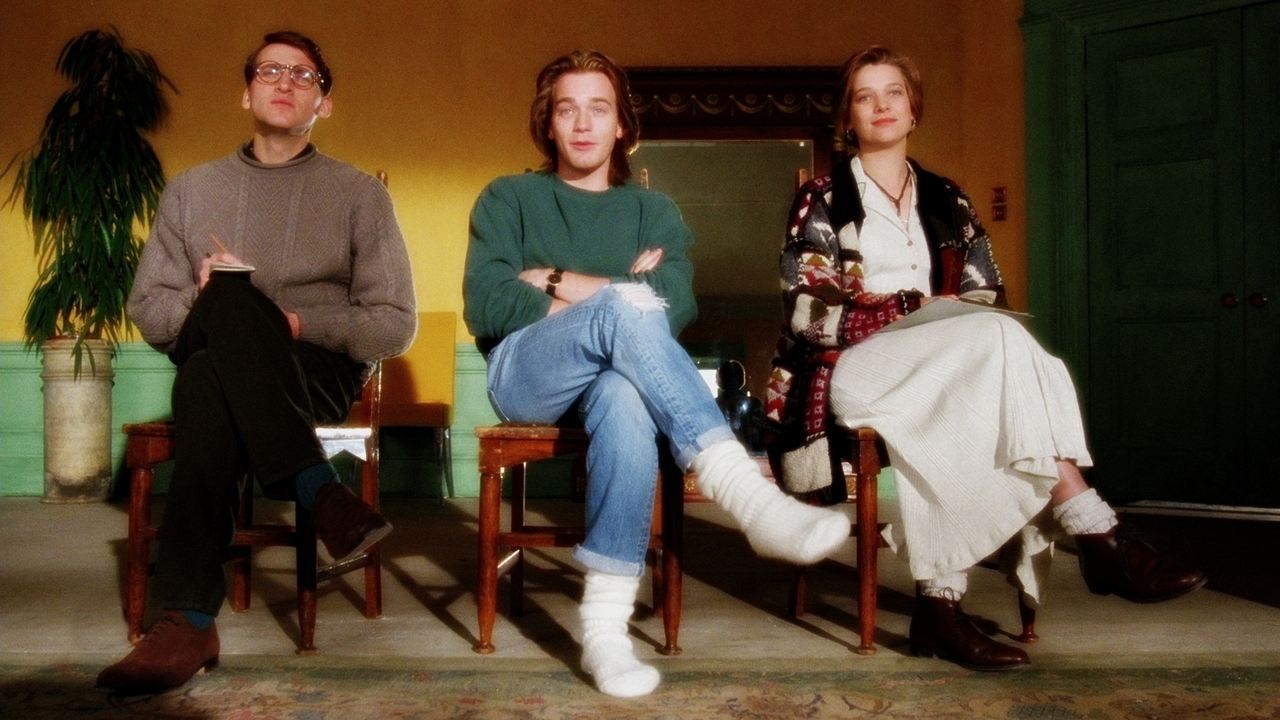

Tres compañeros de piso encuentran una maleta llena de dinero en la habitación de un nuevo y misterioso inquilino, que acaba de morir por sobredosis. En vez de llamar a la policía, deciden quedarse con el dinero, una decisión que implica no sólo deshacerse del cadáver, sino también que cada uno de ellos confíe en los otros dos.
Reparto

Ewan McGregor
Alex Law

Christopher Eccleston
David Stephens

Kerry Fox
Juliet Miller

Ken Stott
Detective Inspector McCall
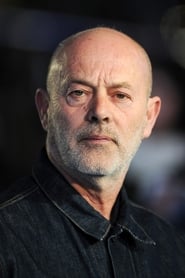
Keith Allen
Hugo

Colin McCredie
Cameron
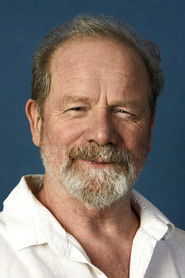
Peter Mullan
Andy
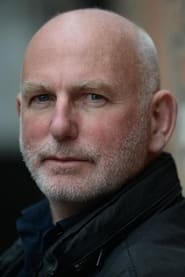
Gary Lewis
Visitor
Frances Low
Doctor
Robert David MacDonald
Lumsden
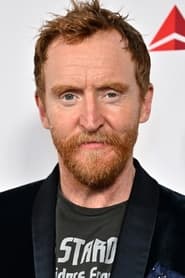
Tony Curran
Travel Agent

John Hodge
DC Mitchell
Leonard O'Malley
Tim
Victoria Nairn
Visitor
Dónde ver
Suscripción
 Amazon Prime Video
 Filmin
 Amazon Prime Video with Ads
Ficha técnica
- Título original
- Shallow Grave
- Idiomas
- English
- Países
- United Kingdom
- Productoras
- The Glasgow Film Fund| Figment Films| Film Four International
- Presupuesto
- USD 2,500,000
- Recaudación
- USD 19,779,614
Cifras en dólares, según TMDb.
Críticas
(CASTELLANO) Hay películas que uno descubre, admira y acaba dejando atrás, y otras que se quedan unidas para siempre a un momento concreto de su vida. Esta pertenece para mí al segundo grupo. La vi hace muchos años en casa y desde entonces permanece entre mis favoritas. Volver mentalmente a ella es recordar no solo una historia magnífica, sino la sensación de haber encontrado una película distinta, insolente y llena de energía. Lo extraordinario es que parte de una idea muy sencilla: tres amigos que comparten piso encuentran algo capaz de cambiarles la vida y deciden conservarlo. Lo importante, sin embargo, no es tanto lo que han encontrado como lo que ese descubrimiento hace con ellos. El dinero introduce una grieta casi imperceptible entre Alex, Juliet y David, y Boyle observa cómo va ensanchándose hasta contaminarlo todo. Personas que convivían, bromeaban y parecían conocerse perfectamente empiezan a mirarse de otra manera. Cada gesto admite una segunda interpretación. Cada silencio puede esconder algo. La amistad deja paso a la vigilancia. Ahí está para mí el corazón de Tumba abierta: la transformación de la confianza en paranoia. John Hodge construye un guion que entiende perfectamente que el verdadero peligro no procede únicamente del exterior, sino de la sospecha que se instala dentro del grupo. Lo fascinante es comprobar lo poco que hace falta para que tres amigos comiencen a preguntarse qué serían capaces de hacerse unos a otros. Y todo está contado con una seguridad formal extraordinaria para tratarse del primer largometraje de Danny Boyle. Ya aparecen muchas de las características que posteriormente explotaría en Trainspotting: la cámara nerviosa, los cambios de ritmo, los encuadres agresivos, el humor negro, una cierta insolencia visual y, sobre todo, una utilización de la música que no funciona como simple acompañamiento. Brian Tufano fotografía unos interiores que progresivamente parecen menos hogar y más territorio hostil, mientras el montaje de Masahiro Hirakubo convierte miradas, espacios y movimientos en elementos de tensión. El comienzo sigue pareciéndome bestial. La cámara atravesando Edimburgo mientras suena “Shallow Grave”, de Leftfield, tiene una energía extraordinaria. No presenta simplemente una ciudad: anuncia una película que viene lanzada. Y la banda sonora entera está pensada con una precisión que siempre me ha encantado. Simon Boswell firma la música original, pero Boyle combina esa partitura con Leftfield, Nina Simone o Andy Williams de una manera que demuestra algo que luego sería fundamental en su cine: sabe que una canción colocada en el momento exacto puede transformar completamente una escena. Yo incluso acabé comprándome el disco, algo que dice bastante de hasta qué punto la música quedó asociada para mí a la película. También resulta fascinante verla hoy sabiendo lo que vendría después. Era el debut cinematográfico de Boyle y la primera gran interpretación protagonista de Ewan McGregor, todavía antes de que su siguiente colaboración, Trainspotting, los convirtiera en nombres fundamentales del cine británico de los noventa. McGregor ya posee aquí esa mezcla de arrogancia, descaro, energía y capacidad para resultar simultáneamente divertido e irritante que explotaría poco después. Pero la película funciona precisamente porque Kerry Fox y Christopher Eccleston impiden que todo gire alrededor de él. Los tres forman un triángulo perfectamente desequilibrado: cada uno reacciona de manera distinta ante la culpa, el miedo y la posibilidad de quedarse con aquello que desean. Y quizá ahí reside una de sus mayores virtudes: ninguno necesita convertirse en un personaje particularmente ejemplar para que la película resulte apasionante. Roger Ebert veía precisamente ahí uno de sus problemas; para mí ocurre lo contrario. No necesito querer ser amigo de Alex, Juliet o David. Me interesa observarlos. Boyle los introduce en una especie de experimento moral y deja que la presión revele quiénes son realmente. Hay además algo casi perversamente divertido en comprobar cómo aquello que inicialmente parece una oportunidad extraordinaria acaba destruyendo precisamente lo que hacía posible disfrutarla. El dinero promete libertad pero produce encierro; promete seguridad pero provoca miedo; debería unirlos mediante un secreto compartido y termina convirtiéndolos en adversarios. Esa contradicción sostiene toda la película. La he querido desde que la vi y el tiempo no ha conseguido rebajar ese recuerdo. Para mí sigue siendo una pasada. (ENGLISH) Some films are discovered, admired and eventually left behind, while others become permanently attached to a particular moment in your life. For me, this belongs firmly to the second group. I watched it many years ago at home, and it has remained one of my favourite films ever since. Thinking about it means remembering not only an excellent thriller, but also the feeling of discovering something unusually energetic, audacious and different. Its brilliance begins with an extremely simple idea: three friends sharing a flat discover something capable of transforming their lives and decide to keep it. What matters, however, is not merely what they have found but what the discovery does to them. Money introduces an almost invisible crack between Alex, Juliet and David, and Danny Boyle watches that crack widen until it poisons virtually everything. People who lived together, joked together and seemed to know each other intimately gradually begin to look at one another differently. Every gesture acquires a possible second meaning. Every silence may conceal an intention. Friendship becomes surveillance. That is the real centre of Shallow Grave for me: the transformation of trust into paranoia. John Hodge's screenplay understands that the greatest danger does not simply come from somewhere outside the flat. It develops inside the group, in the suspicion each person begins to feel towards the others. The fascinating question is how quickly friendship can change once people start wondering what their friends might be prepared to do. What makes this even more remarkable is the confidence of the filmmaking considering that this was Danny Boyle's feature debut. Many elements that would later explode in Trainspotting are already visible: restless camerawork, sudden changes of rhythm, aggressive compositions, jet-black humour, visual cheekiness and, above all, an exceptional understanding of music as part of cinematic storytelling. Brian Tufano's cinematography gradually makes the flat feel less like a home and more like contested territory, while Masahiro Hirakubo's editing turns looks, spaces and movement into sources of tension. The opening remains fantastic. The camera races through Edinburgh while Leftfield's “Shallow Grave” pounds underneath it, creating an immediate surge of energy. It does not merely establish the city; it announces a film arriving at full speed. The entire soundtrack is similarly well judged. Simon Boswell provides the original score, while Boyle brings in Leftfield, Nina Simone and Andy Williams with the instinct for music that would later become one of his trademarks. These songs are never simply decoration. Their placement changes the atmosphere and sometimes even the meaning of the images. I loved the soundtrack enough to buy the album, and that music remains inseparable from the film in my memory. It is also fascinating to revisit the film knowing what followed. This was Boyle's first feature and Ewan McGregor's first major starring film role, before their next collaboration, Trainspotting, turned both into defining figures of 1990s British cinema. McGregor already possesses the arrogance, irreverence, energy and ability to be simultaneously funny and irritating that would become so distinctive. Yet the film works because Kerry Fox and Christopher Eccleston prevent him from dominating it completely. The three actors form a wonderfully unstable triangle, each character responding differently to guilt, fear and temptation. One of the film's strengths, in fact, is that none of them needs to be particularly admirable. Roger Ebert regarded the difficulty of identifying with them as a weakness; I feel almost exactly the opposite. I do not need to want Alex, Juliet or David as friends. I want to observe them. Boyle places them inside a moral experiment and gradually increases the pressure until their personalities reveal themselves. There is something darkly amusing, too, about the central contradiction. What initially appears to offer extraordinary freedom ends up destroying precisely the relationships that might have allowed them to enjoy it. Money promises freedom and creates confinement; promises security and generates fear; gives them a secret that should unite them and instead turns them into opponents. I loved it when I first saw it, and time has done nothing to diminish that memory. For me, it remains exhilarating.
Recomendadas

The Trouble with Jessica
2024 · Película

Bromas que matan
1999 · Película

Malas influencias
1990 · Película

Repugnante
2013 · Película

Trainspotting: La Vida en el Abismo
1996 · Película

Autosuficiencia
2024 · Película

Mi Vecino el Asesino
2012 · Película

Un pequeño favor
2018 · Película

Las Heathers
1989 · Película

Trainspotting 2
2017 · Película

Panic
2000 · Película

¡No vayas a colgar!
2016 · Película

Noche de juegos
2018 · Película

Cheap Thrills
2013 · Película
Similares

Arma Mortal 3
1992 · Película

Harry, el sucio
1971 · Película

El síndrome de China
1979 · Película

¿Quién engañó a Roger Rabbit?
1988 · Película

Juegos de guerra
1983 · Película

Juegos macabros
1972 · Película

Perros de paja
1971 · Película

Mulholland Drive: Sueños, misterios y secretos
2001 · Película

Adams æbler
2005 · Película

Arlington Road
1999 · Película

El piso 13
1999 · Película

El tercer hombre
1949 · Película

VICE News Presents: 'Epstein Didn't Kill Himself'
2024 · Película
Buyer Beware
2026 · Película