


Serie · 1983
V: La miniserie original
Creación: Kenneth Johnson
Una raza extraterrestre llega a la Tierra, desplegando sus naves sobre las ciudades más importantes del planeta, con intenciones aparentemente pacíficas. Pero, una vez aquí, un reportero (Marc Singer) descubre que en realidad son una especie de reptiles con aspecto humano, comedores de ratones... que pretenden colonizar el planeta y usar a los hombres como alimento. La salvación de la humanidad, entonces, estará en manos de unos cuantos valientes que formarán la Resistencia.
Reparto

Jane Badler
Diana

Michael Durrell
Robert Maxwell

Faye Grant
Julie Parrish

Peter Nelson
Brian
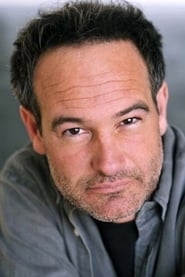
David Packer
Daniel Bernstein

Neva Patterson
Eleanor Dupres
Tommy Petersen
Josh Brooks

Marc Singer
Mike Donovan

Blair Tefkin
Robin Maxwell

Michael Wright
Elias Taylor

Robert Englund
Willie

Bonnie Bartlett
Lynn Bernstein

Leonardo Cimino
Abraham Bernstein

Richard Herd
John
Temporadas
1 temporadas · 2 episodios · NBC
Dónde ver
Suscripción
 MyOutdoor TV Amazon Channel
Compra
 Amazon Video
 Apple TV Store
 Google Play Movies
 Fandango At Home
Ficha técnica
- Título original
- V
- Idiomas
- English
- Países
- United States of America, Canada
- Productoras
- Warner Bros. Television| Kenneth Johnson Productions
- En producción
- No
- Formato
- Miniseries
Críticas
(CASTELLANO) He visto *V* tantas veces que ya he perdido la cuenta. Veinte pueden ser perfectamente. Y aun así vuelvo. La vi en España después de su emisión original estadounidense y me fascinó desde el principio. Las gigantescas naves suspendidas sobre las ciudades, los uniformes rojos, Diana, Donovan, Julie, la Resistencia... Aquello tenía todos los ingredientes de una gran historia de ciencia ficción. Pero con los años entendí que los extraterrestres eran casi lo de menos. *V* habla del fascismo. Los Visitantes llegan sonriendo. Ofrecen amistad. Prometen conocimiento. Saben utilizar los medios. Crean enemigos. Señalan a un colectivo. Consiguen colaboradores. Y poco a poco lo que parecía una bienvenida empieza a adquirir otra forma. La iconografía nazi está por todas partes: uniformes, símbolos, propaganda, jóvenes organizados alrededor de los Visitantes, persecución de científicos, familias que prefieren mirar hacia otro lado, colaboradores y resistentes. Por eso hay una escena que siempre se me ha quedado grabada: ese anciano enseñando a los jóvenes a pintar la V. V de Victoria. Un gesto diminuto frente a un poder inmenso. Pero también una transmisión de memoria. Alguien que ya sabe lo que ocurre cuando una sociedad decide que “eso aquí no puede pasar” enseñando a otra generación que precisamente por eso hay que reaccionar. Ahí está el corazón de *V*. Kenneth Johnson tomó una historia sobre el ascenso del fascismo y la convirtió en una invasión extraterrestre porque la televisión estadounidense quería ciencia ficción. Y eso hizo la idea todavía más poderosa. Un niño podía verla por las naves y los lagartos. Un adulto podía ver detrás otra cosa completamente distinta. Yo primero vi una invasión. Después entendí una ocupación. También sigo admirando cómo está hecha. Hablamos de televisión de 1983 y aun así las naves, maquillajes, efectos ópticos, miniaturas y escenas de acción siguen teniendo una presencia física que muchas producciones posteriores no consiguieron. Claro que hoy se ven trucos. Han pasado más de cuarenta años. ¿Y qué? Nunca me sacan de la historia. Además, *V* sabe crear personajes. Marc Singer tiene exactamente la presencia que necesitaba Mike Donovan. Faye Grant convierte a Julie en mucho más que “la chica de la Resistencia”. Y Jane Badler creó con Diana uno de esos personajes que forman parte de la iconografía televisiva de los ochenta. Pero lo que más me gusta es el conjunto. Periodistas. Científicos. Familias. Ancianos. Jóvenes. Colaboradores. Resistentes. Personas normales tomando decisiones cuando la normalidad desaparece. Porque *V* no pregunta únicamente qué haríamos si llegaran extraterrestres. Pregunta algo bastante peor: qué haríamos si alguien llegara prometiendo seguridad, progreso y orden mientras, poco a poco, empezara a quitarnos todo lo demás. No necesito perdonarle los años. La sigo viendo porque sigue gustándome. Muchísimo. Porque me entretiene. Porque me emociona. Porque sigue pareciéndome inteligente. Y porque algunas imágenes forman ya parte de mi memoria. Las naves. Los uniformes rojos. La Resistencia. Y una V pintada en una pared. La habré visto veinte veces. Habrá una veintiuna. (ENGLISH) I have watched *V* so many times that I have lost count. Twenty is entirely possible. And I still go back to it. I first saw it in Spain after its original American broadcast, and it fascinated me immediately. The enormous ships hovering over cities, the red uniforms, Diana, Donovan, Julie, the Resistance... It had everything I wanted from a great science-fiction story. But over the years I understood that the aliens were almost beside the point. *V* is about fascism. The Visitors arrive smiling. They offer friendship. They promise knowledge. They understand the media. They create enemies. They single out a group. They recruit collaborators. And gradually, what looked like a welcome starts becoming something very different. The Nazi imagery is everywhere: uniforms, symbols, propaganda, young people organizing around the Visitors, persecution of scientists, families choosing to look away, collaborators and resistance fighters. That is why one particular moment has always stayed with me: an old man teaching younger people to paint the V. V for Victory. A tiny gesture against enormous power. But also an act of passing on memory. Someone who already understands what happens when a society convinces itself that “it could never happen here” teaching another generation why resistance matters. That is the heart of *V*. Kenneth Johnson took a story about the rise of fascism and turned it into an alien invasion because American television wanted science fiction. And that made the idea even more powerful. A child could watch it for the spaceships and lizards. An adult could see something entirely different underneath. At first I saw an invasion. Later I understood an occupation. I also continue to admire how well it was made. This was television in 1983, yet the ships, makeup, optical effects, miniatures and action sequences still possess a physical presence that many later productions never achieved. Of course you can see some of the tricks today. More than forty years have passed. So what? They never remove me from the story. And *V* knows how to create characters. Marc Singer gives Mike Donovan exactly the presence he needs. Faye Grant makes Julie far more than simply “the woman in the Resistance.” And Jane Badler created in Diana one of those characters permanently embedded in 1980s television iconography. But what I love most is the ensemble. Journalists. Scientists. Families. Old people. Young people. Collaborators. Resistance fighters. Ordinary people making decisions when ordinary life disappears. Because *V* is not merely asking what we would do if aliens arrived. It asks something far more uncomfortable: what would we do if someone arrived promising security, progress and order while gradually taking everything else away? I do not need to forgive its age. I still watch it because I still love it. Because it entertains me. Because it moves me. Because I still find it intelligent. And because some of its images are now part of my memory. The ships. The red uniforms. The Resistance. And a V painted on a wall. I may have watched it twenty times. There will be a twenty-first.
Recomendadas

Battlestar Galactica: La Miniserie
2003 · Serie

Ahsoka
2023 · Serie

Andor
2022 · Serie
Firefly
2002 · Serie
El fin de la infancia
2015 · Serie

Titanes del Pacífico: Tierra de nadie
2021 · Serie

Farscape
1999 · Serie
Roughnecks: Starship Troopers Chronicles
1999 · Serie

Invasión
2005 · Serie

Star Trek: Nuevos y Extraños Mundos
2022 · Serie

Threshold
2005 · Serie
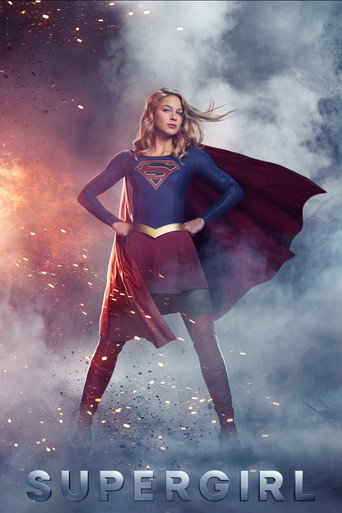
Supergirl
2015 · Serie

Obi-Wan Kenobi
2022 · Serie

El libro de Boba Fett
2021 · Serie
Similares

Ivanhoe
1997 · Serie

Baddies Caribbean Auditions
2024 · Serie

Talk to Me
2007 · Serie

놀아주는 여자
2024 · Serie

Un amor predestinado
2023 · Serie

Knights of God
1987 · Serie

Colette, une femme libre
2004 · Serie

Operación Tyrant
2024 · Serie

American Crime Story
2016 · Serie

Malaterra
2015 · Serie
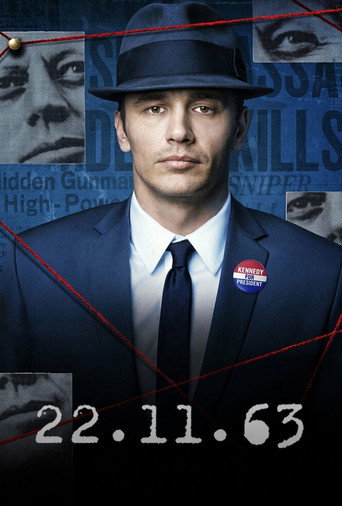
22.11.63
2016 · Serie
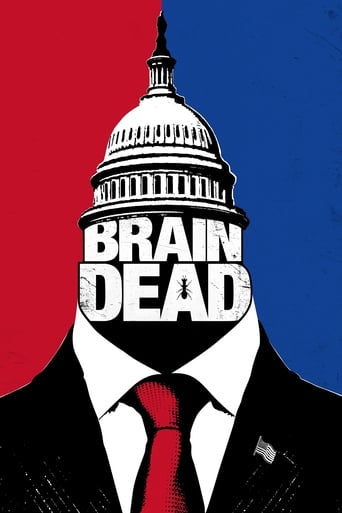
BrainDead
2016 · Serie

The Jewel in the Crown
1984 · Serie

The Listeners
2024 · Serie