

En esta historia que reimagina la Revolución Francesa, el futuro inventor de la guillotina descubre una enfermedad que mueve a la aristocracia a asesinar al pueblo.
Reparto

Amir el Kacem
Joseph Guillotin

Marilou Aussilloux
Elise de Montargis

Lionel Erdogan
Albert Guillotin

Isabel Aimé González Sola
Katell

Julien Frison
Donatien de Montargis
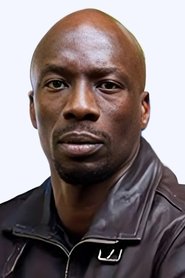
Mamadou Doumbia
Oka

Dimitri Storoge
Edmond de Pérouse

Amélia Lacquemant
Madeleine de Montargis

Coline Beal
Ophélie

Laurent Lucas
Charles de Montargis

Philippine Martinot
Marie de Montargis

Gaia Weiss
Marianne

Matthias Jacquin
Jean

Nina Tantimonaco
Naïs
Temporadas
1 temporadas · 8 episodios · Netflix
Dónde ver
Suscripción
 Netflix
 Netflix Standard with Ads
Ficha técnica
- Título original
- La Révolution
- Idiomas
- Français
- Países
- France
- Productoras
- John Doe Productions
- En producción
- No
- Formato
- Scripted
Críticas
(CASTELLANO) La idea era buenísima: coger la Francia prerrevolucionaria, convertir la famosa “sangre azul” de la aristocracia en algo literal y monstruoso, y mezclar historia, conspiración, epidemia y terror. Sobre el papel, La Revolución tenía ingredientes de sobra para ser una especie de Kingdom francesa. Precisamente por eso me ha dejado una sensación bastante agridulce. Visualmente funciona muy bien. La dirección artística, el vestuario, las localizaciones y la fotografía construyen una Francia oscura, húmeda y enfermiza, muy lejos de cualquier recreación histórica pulcra. La serie entiende que no está contando la Revolución francesa tal como ocurrió, sino una ucronía fantástica, y utiliza esa libertad para convertir el privilegio de clase en una enfermedad casi física. La metáfora de la sangre azul es obvia, pero también eficaz: la aristocracia aparece literalmente corrompida desde dentro. El problema es que tarda demasiado en explotar su propia premisa. Durante buena parte de los ocho episodios hay conspiraciones, investigaciones, secretos familiares y preparativos, pero la sensación de horror y de violencia que prometía el concepto aparece con cuentagotas. Esperaba algo más visceral, más feroz, con una amenaza capaz de desatar el caos mucho antes. La comparación con Kingdom sale sola: aquella serie coreana entendía perfectamente que podía hablar de poder, clases sociales y decadencia mientras mantenía una tensión brutal. Aquí la parte política y conspirativa pesa tanto que durante varios episodios parece frenar al género en vez de alimentarlo. Eso no significa que no tenga cosas interesantes. Joseph Guillotin funciona como puerta de entrada a un mundo en el que ciencia, superstición y poder empiezan a confundirse, y la serie tiene personajes capaces de transmitir auténtica amenaza. Donatien, en particular, tiene una presencia desagradable y casi cadavérica que encaja perfectamente con esa aristocracia convertida en algo inhumano. La sangre azul, además de ser una buena imagen, resulta visualmente repulsiva, justo como debería. Cuando la violencia termina por desatarse, La Revolución mejora de forma clara. El tramo final tiene más energía, más peligro y por fin la sensación de que todo aquello que se llevaba preparando podía desembocar en algo grande. Mi problema es que llega demasiado tarde. Me pasé buena parte de la temporada esperando precisamente ese estallido. Y entonces se termina. Ese es probablemente el defecto que más pesa en conjunto. La historia no está construida como una miniserie cerrada, sino como el primer capítulo de algo mucho mayor. Sus responsables llegaron a plantear un recorrido de tres temporadas, pero Netflix la canceló tras la primera. El resultado es especialmente frustrante porque justo cuando parece haber encontrado el ritmo y ensanchar de verdad su mundo, la serie se queda sin continuación. La recepción crítica fue bastante coherente con esa sensación: muchos destacaron su producción, su ambición y su mezcla de géneros, mientras otros señalaron la torpeza narrativa, la previsibilidad o lo mucho que exige antes de ofrecer una recompensa. Creo que ahí está la clave. No me parece una mala serie; al contrario, tiene una idea con muchísimo potencial y está realizada con cuidado. Pero da la impresión de haber reservado demasiado para un futuro que nunca llegó. Con más ritmo, más horror y una voluntad de ir antes al cuello, podría haber sido algo realmente especial. Tal como quedó, es una propuesta atractiva y visualmente potente, pero demasiado lenta y, peor aún, incompleta. (ENGLISH) The idea was excellent: take pre-revolutionary France, turn the aristocracy's famous “blue blood” into something literal and monstrous, and mix history, conspiracy, disease and horror. On paper, La Révolution had everything it needed to become a kind of French Kingdom. That is exactly why it left me with such mixed feelings. Visually, it works very well. The production design, costumes, locations and cinematography create a dark, damp and diseased France, far removed from a polished period drama. The series understands that it is not retelling the French Revolution as it happened but creating a fantasy alternate history, and it uses that freedom to turn class privilege into something almost physically corrupting. The blue-blood metaphor is obvious, but it is also effective: the aristocracy is literally rotting from within. The problem is how long it takes to exploit its own premise. For much of the eight episodes there are conspiracies, investigations, family secrets and preparations, but the horror and violence promised by the concept arrive only in small doses. I expected something more visceral and savage, with the threat throwing society into chaos much earlier. The comparison with Kingdom feels unavoidable: that Korean series knew how to talk about power, class and decay while maintaining relentless tension. Here, the political intrigue often weighs so heavily that it slows the genre elements instead of feeding them. That does not mean there is nothing interesting. Joseph Guillotin works well as an entry point into a world where science, superstition and power begin to blur together, and several characters project genuine menace. Donatien in particular has an unpleasant, almost corpse-like presence that perfectly suits an aristocracy turning into something inhuman. The blue blood itself is also suitably disgusting. When the violence finally breaks loose, La Révolution improves noticeably. The final stretch has more energy, more danger and finally creates the feeling that everything being prepared might lead somewhere genuinely explosive. My problem is that it arrives too late. I spent too much of the season waiting for exactly that release. And then it ends. That is probably the flaw that weighs most heavily on the whole series. This was not built as a closed miniseries but as the beginning of something much larger. Its creators had envisioned a three-season story, yet Netflix cancelled it after the first. That makes the ending especially frustrating because just as the series seems to find its rhythm and truly expand its world, there is nowhere left for it to go. The critical response makes sense in that context. Many praised the production values, ambition and genre blend, while others criticised the clumsy storytelling, predictability and how much patience it demands before offering a payoff. That is exactly where I land. I do not think it is a bad series; on the contrary, the premise has enormous potential and the production is clearly accomplished. It simply feels as if too much was saved for a future that never arrived. With more pace, more horror and a greater willingness to go for the throat earlier, it could have been something special. As it stands, it is an attractive, atmospheric and ambitious series, but also too slow and, worst of all, unfinished.
Recomendadas

Versailles
2015 · Serie

Cortesanas
2017 · Serie

The Serpent Queen
2022 · Serie

Outlander
2014 · Serie
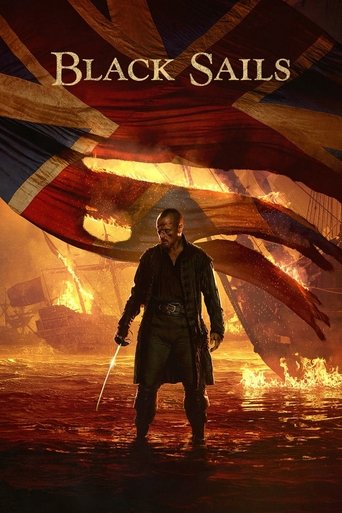
Piratas: Velas Negras
2014 · Serie

La casa Guinness
2025 · Serie

El Reino
2013 · Serie

Dime más mentiras
2022 · Serie
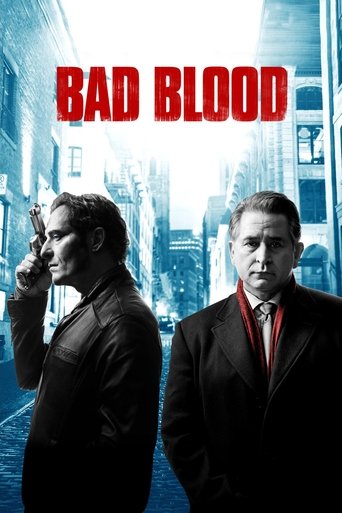
Bad Blood
2017 · Serie
The Turn
2014 · Serie
Historia de dos ciudades
2026 · Serie

Los Tudor
2007 · Serie

La Corona Vacía
2012 · Serie

Perfil falso
2023 · Serie
Similares
Daniel Boone
— · Serie

县委大院
2022 · Serie

Osmanlı'da Derin Devlet
2013 · Serie
Chateau Meiland
2019 · Serie

El Cid
2020 · Serie

G.B.H.
1991 · Serie

赴刃
2025 · Serie

御渊令
2025 · Serie

燃情
2025 · Serie

千金女贼
2015 · Serie

一念倾心
2025 · Serie
Show Me a Hero
2015 · Serie

乱世佳人
2012 · Serie

El Reino
2021 · Serie