


El joven Malik El Djebena (Tahar Rahim), un francés de origen árabe, ingresa en prisión para cumplir una pena de seis años. Aunque al principio la vida en la cárcel le resulta muy dura porque está completamente solo, se adapta rápidamente y, gracias a su carisma, se gana poco a poco la simpatía de los miembros de la mafia corsa, que tienen sobornados a los guardias y controlan todo lo que pasa en prisión.
Reparto

Tahar Rahim
Malik El Djebena
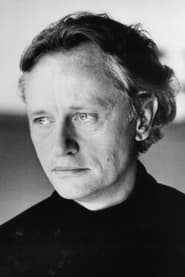
Niels Arestrup
César Luciani

Adel Bencherif
Ryad

Reda Kateb
Jordi

Hichem Yacoubi
Reyeb

Jean-Philippe Ricci
Vettori

Gilles Cohen
Prof
Pierre Leccia
Sampierro

Antoine Basler
Pilicci
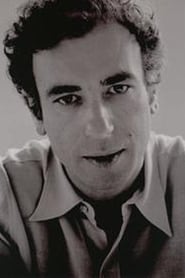
Foued Nassah
Antaro

Jean-Emmanuel Pagni
Santi

Frédéric Graziani
Prison Warden

Leïla Bekhti
Djamila
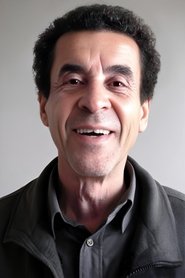
Rabah Loucif
Malik's Lawyer
Tráiler
Dónde ver
Suscripción
 Movistar Plus+ Ficción Total
 HBO Max
 Acontra Plus
 HBO Max Amazon Channel
Alquiler
 Amazon VideoAcontra Plus
Compra
Amazon VideoFicha técnica
- Título original
- Un prophète
- Idiomas
- العربية, Corsican, Français
- Países
- France, Italy
- Productoras
- Why Not Productions| Chic Films| Page 114| UGC| France 2 Cinéma| BiM Distribuzione| Celluloid Dreams
- Presupuesto
- USD 13,000,000
- Recaudación
- USD 17,874,044
Cifras en dólares, según TMDb.
Críticas
(CASTELLANO) Aprender a sobrevivir hasta terminar dominando el tablero Lo más interesante no es tanto descubrir qué va a hacer Malik como observar en qué se va convirtiendo. Cuando entra en prisión tiene diecinueve años, apenas sabe leer y escribir, está completamente solo y parece demasiado frágil para el mundo al que acaba de llegar. Cuando sale, la situación es prácticamente la contraria. Entre ambos momentos, Jacques Audiard construye una transformación lenta, dura y bastante convincente que es, para mí, la verdadera fuerza de Un profeta. La cárcel no aparece simplemente como escenario, sino como un sistema completo de aprendizaje y poder. Malik comprende pronto que sobrevivir exige observar, callar, aprender idiomas, detectar jerarquías y saber cuándo obedecer. César Luciani, interpretado formidablemente por Niels Arestrup, lo utiliza primero porque sabe que el chico no tiene a nadie que lo proteja. Pero ahí empieza también la paradoja de su relación: cada trabajo que César le encarga hace a Malik más útil, más experimentado y, finalmente, más independiente. Tahar Rahim sostiene magníficamente esa evolución porque evita convertirla en una transformación repentina. Malik no entra siendo un delincuente genial ni se convierte de repente en un gran jefe criminal. Aprende. Mira. Comete errores. Descubre cómo funcionan los corsos, los árabes, los negocios dentro y fuera de prisión y, sobre todo, cómo utilizar las relaciones que va construyendo. Su inteligencia se revela poco a poco, y eso hace mucho más creíble que llegue un momento en que la relación de poder con César empiece a invertirse. Audiard tampoco embellece demasiado la violencia. Cuando aparece, suele ser incómoda, física y bastante desagradable. La célebre primera misión de Malik establece desde muy pronto hasta dónde está dispuesto a llevar la película y deja una marca que continúa reapareciendo de una forma casi fantasmal. Ese pequeño componente onírico resulta curioso porque convive con un entorno extremadamente realista sin romperlo del todo. La película puede estar hablando del crimen organizado y, de repente, introducir una imagen que parece salir de la conciencia o de la culpa del protagonista. La duración se nota, y quizá ahí esté parte de la distancia que sentí respecto al entusiasmo enorme que siempre ha rodeado a la película. Son casi dos horas y media y hay momentos en los que la narración se vuelve densa, con nombres, alianzas y movimientos dentro de una estructura criminal que exigen bastante atención. Nunca me pareció mala ni aburrida en sentido estricto, pero tampoco salí con la sensación de haber visto la obra maestra incontestable que sugieren algunos de sus premios y críticas. Sí me parece muy bueno, en cambio, cómo termina cerrando el arco de Malik. Durante buena parte de la película pensé que la evolución de su relación con César tendría que acabar necesariamente en un enfrentamiento definitivo. Sin entrar en lo que ocurre exactamente, la resolución resulta más interesante porque demuestra que Malik ya no necesita medirse con él en sus propios términos. El poder ha cambiado de manos antes incluso de que nadie tenga que proclamarlo. Y el último momento lo resume perfectamente. Malik entró en la cárcel sin nada y sale acompañado por una estructura que él mismo ha construido. Ya no es el joven utilizado por los corsos, sino alguien al que otros siguen. La prisión, de la forma más perversa posible, ha sido su escuela. Entiendo por qué Un profeta recibió tantos premios y por qué sigue teniendo tanto prestigio. Está muy bien interpretada, Audiard controla el ambiente con enorme seguridad y el crecimiento de Malik está construido con paciencia e inteligencia. A mí me ha gustado más que fascinado. No terminé hipnotizado por ella, pero sí reconozco que pocas películas criminales explican tan bien cómo un hombre puede aprender las reglas de un sistema diseñado para aplastarlo y terminar utilizándolas para ocupar un lugar completamente distinto dentro de él. (ENGLISH) Learning to survive until you control the board The most interesting thing is not so much discovering what Malik is going to do as watching what he gradually becomes. When he enters prison, he is nineteen, can barely read or write, is completely alone and seems far too fragile for the world he has just entered. When he leaves, the situation is almost the exact opposite. Between those two moments, Jacques Audiard constructs a slow, brutal and remarkably convincing transformation that, for me, is the real strength of A Prophet. Prison is not merely a setting but an entire system of learning and power. Malik quickly understands that survival requires observation, silence, learning languages, recognizing hierarchies and knowing when to obey. César Luciani, superbly played by Niels Arestrup, initially uses him precisely because the young man has nobody to protect him. But that is also where the paradox of their relationship begins: every job César gives him makes Malik more useful, more experienced and eventually more independent. Tahar Rahim carries that evolution beautifully because he avoids making it feel sudden. Malik does not enter prison as a criminal mastermind, nor does he suddenly become one. He learns. He watches. He makes mistakes. He discovers how the Corsicans, the Arabs, the businesses inside and outside prison work and, most importantly, how to use the relationships he gradually builds. His intelligence reveals itself little by little, which makes it far more believable when the balance of power between him and César begins to shift. Audiard does not beautify the violence either. When it arrives, it tends to be uncomfortable, physical and genuinely unpleasant. Malik's notorious first mission establishes very early how far the film is prepared to go and leaves a mark that continues to return in an almost ghostly form. That small dreamlike element is interesting because it coexists with an extremely realistic environment without completely breaking it. The film can be dealing with organized crime and suddenly introduce an image that seems to emerge from Malik's conscience or guilt. The running time can be felt, and perhaps that explains some of the distance I felt from the enormous enthusiasm that has always surrounded the film. At almost two and a half hours, there are moments when the narrative becomes dense, with names, alliances and movements within the criminal structure demanding considerable attention. I never thought it was bad or truly boring, but neither did I come away convinced that I had seen the unquestionable masterpiece suggested by some of its awards and reviews. What I do think works extremely well is the way Malik's arc is completed. For much of the film, I assumed that the evolution of his relationship with César would necessarily lead to a definitive confrontation. Without revealing exactly what happens, the resolution is more interesting because it demonstrates that Malik no longer needs to challenge him on his own terms. Power has already changed hands before anybody needs to announce it. And the final moment sums it up perfectly. Malik entered prison with nothing and leaves surrounded by a structure he has built himself. He is no longer the young man being used by the Corsicans but someone others now follow. Prison, in the most perverse possible way, has become his school. I understand why A Prophet received so many awards and why it retains such prestige. It is superbly acted, Audiard controls the atmosphere with enormous confidence, and Malik's growth is constructed with patience and intelligence. I liked it more than I was fascinated by it. I did not leave hypnotized, but I do recognize that few crime films explain quite so well how a man can learn the rules of a system designed to crush him and eventually use them to occupy an entirely different place within it.
Recomendadas

The Valachi Papers
1972 · Película

Quien a hierro mata
2019 · Película

Gangster No. 1
2000 · Película

Atrapen al gringo
2012 · Película

Bronx
2020 · Película

Mesrine: Killer Instinct
2008 · Película

Los atracadores
2016 · Película

Borgo
2024 · Película

The Grissom Gang
1971 · Película

Le Cercle Rouge
1970 · Película

BAC Nord: Brigada Anticriminal
2021 · Película

Venganza
2019 · Película

Maestro del crimen
2017 · Película

El beso del dragón
2001 · Película
Similares

K-PAX
2001 · Película
Pena de muerte
1995 · Película

Azules Turquesas
2019 · Película

El Padrino
1972 · Película

Una Eva y dos Adanes
1959 · Película

El Padrino II
1974 · Película

Atraco Perfecto
1956 · Película

Milagro por un día
1961 · Película
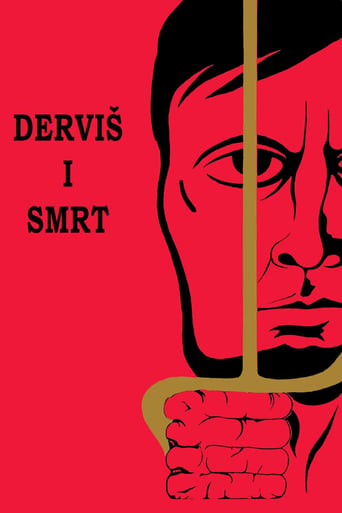
Derviš i smrt
1974 · Película

De paseo a la muerte
1990 · Película

Mala Noche
1987 · Película

12 Hombres en Pugna
1957 · Película

Things to Do in Denver When You're Dead
1995 · Película

The Hole
2001 · Película