
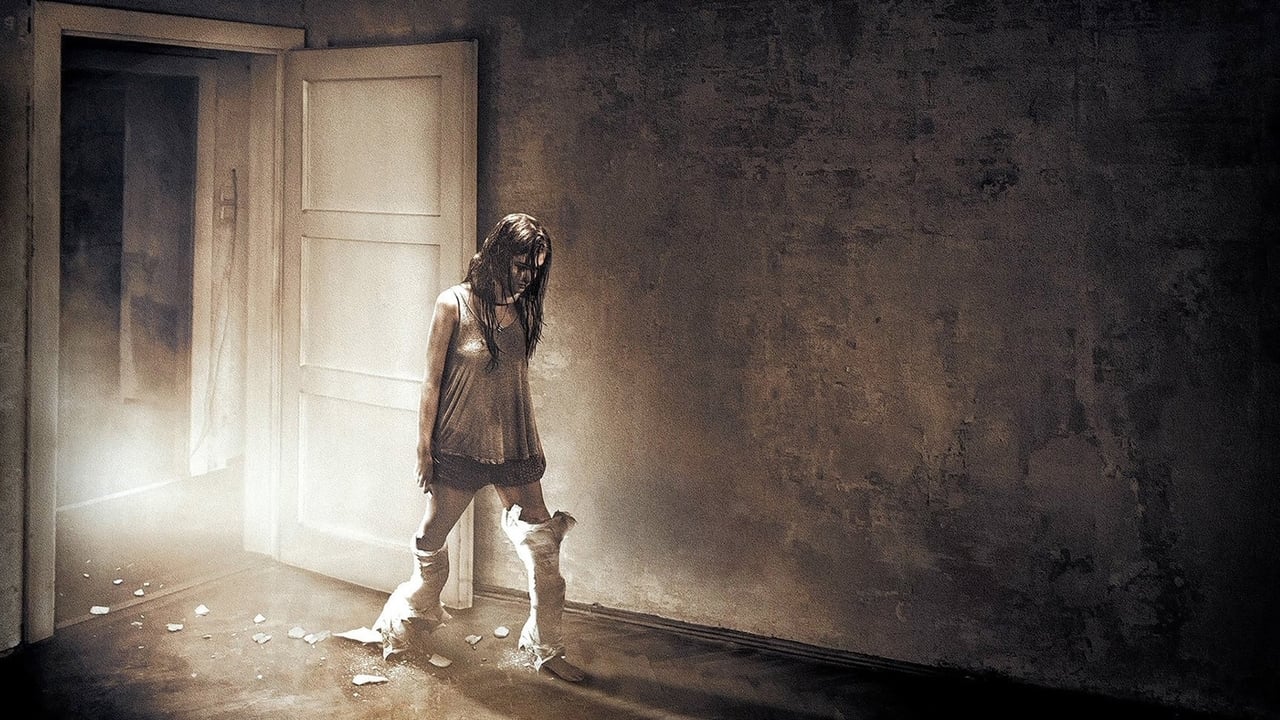

Elise Rainier acepta a regañadientes utilizar su capacidad de ponerse en contacto con los muertos a fin de ayudar a una adolescente que se ha convertido en el blanco de una peligrosa entidad sobrenatural.
Reparto

Stefanie Scott
Quinn Brenner

Lin Shaye
Elise Rainier
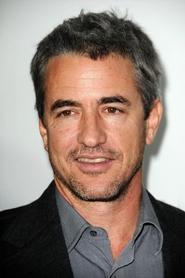
Dermot Mulroney
Sean Brenner

Leigh Whannell
Specs

Angus Sampson
Tucker

Steve Coulter
Carl

Hayley Kiyoko
Maggie
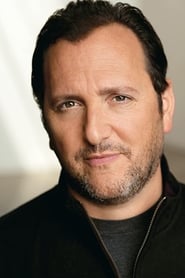
Tom Gallop
Dr. Henderson

Tate Berney
Alex Brenner

Corbett Tuck
Danielle

Tom Fitzpatrick
Bride in Black

Jeris Poindexter
Harry

Ele Keats
Lillith Brenner

James Wan
Theater Director
Dónde ver
Suscripción
 Lionsgate+ Amazon Channel
Alquiler
 Rakuten TV
 Amazon Video
Compra
Rakuten TVAmazon VideoFicha técnica
- Título original
- Insidious: Chapter 3
- Idiomas
- English
- Países
- Canada, United States of America
- Productoras
- Blumhouse Productions| Entertainment One
- Presupuesto
- USD 10,000,000
- Recaudación
- USD 120,453,155
Cifras en dólares, según TMDb.
Críticas
(CASTELLANO) Cambiar de familia podía haber sido una forma fácil de estirar una saga que ya había cerrado bastante bien su primer gran arco. Sin embargo, esta tercera entrega encuentra una razón más interesante para existir: mirar hacia atrás y colocar a Elise Rainier en el centro de una historia que hasta ahora la había utilizado como guía, experta y figura de seguridad. Ese cambio funciona porque Lin Shaye siempre había tenido algo especial. Elise entra en una habitación y parece entender cosas que los demás ni siquiera pueden percibir. Aquí descubrimos una versión más vulnerable, cansada y emocionalmente herida del personaje, y eso hace que deje de ser únicamente “la parapsicóloga que sabe qué hacer” para convertirse en alguien con sus propios miedos. Para mí, ahí está lo mejor de la película. Insidious: Capítulo 3 es menos potente como ejercicio puro de terror que las dos primeras, pero tiene más interés como película sobre Elise. Leigh Whannell, que toma el relevo de James Wan en la dirección, no posee todavía la misma precisión visual, pero entiende muy bien al personaje que ha escrito desde el comienzo de la saga. La nueva protagonista, Quinn, también funciona. Stefanie Scott consigue que resulte cercana sin convertirla en la típica adolescente diseñada únicamente para sufrir. Hay una vulnerabilidad real en ella y, sobre todo, una ausencia emocional que da sentido a buena parte de sus decisiones. La película utiliza esa necesidad de contacto como motor del terror, y eso le aporta algo más que una simple colección de apariciones. La relación de Quinn con su madre pesa mucho aunque no esté presente físicamente. Ese vínculo convierte varios momentos sobrenaturales en algo más emotivo de lo habitual en la saga. Me gusta especialmente que Insidious recuerde que El Más Allá no tiene por qué ser únicamente un territorio de amenaza; también puede contener memoria, pérdida, afecto y la necesidad de volver a sentir cerca a alguien que ya no está. Cuando la película se apoya en eso, funciona bastante bien. Cuando se limita a repetir pasillos oscuros, ruidos repentinos y figuras apareciendo en el encuadre, se nota más la ausencia de Wan. Whannell es competente y conoce perfectamente el universo que está manejando, pero todavía no tiene ese talento para convertir una esquina vacía en algo inquietante sin necesidad de hacer demasiado. Los sustos siguen funcionando, aunque son más evidentes. Hay golpes sonoros, apariciones repentinas y momentos construidos con mecanismos que ya conocemos. No me ha acelerado el corazón como la primera Insidious ni me ha producido la misma sensación de estar rodeado por presencias, pero sí mantiene suficiente mal rollo para que nunca parezca una película ajena a la saga. También es una entrega más emocional y algo menos extraña. El universo de Insidious sigue ahí, pero la película se permite dedicar más tiempo al duelo, a la culpa y a la necesidad de seguir adelante. Ese tono más humano le sienta bien, aunque inevitablemente reduzca parte de la intensidad. Lin Shaye aprovecha muchísimo ese espacio. Es difícil pensar en otra actriz que pudiera haber convertido a Elise en un personaje tan querido. Tiene una mezcla curiosa de fragilidad, excentricidad y autoridad: puedes creer que tenga miedo y, al mismo tiempo, confiar en que será la única capaz de entrar en una habitación cuando todos los demás quieren salir corriendo. La criatura central me parece menos memorable que las amenazas de las dos primeras películas. Funciona dentro del relato y tiene momentos desagradables, pero no posee el impacto visual inmediato de algunas figuras anteriores. Ahí la tercera entrega pierde bastante fuerza: cuando pienso en Insidious, hay imágenes de las primeras películas que se me vienen inmediatamente a la cabeza; aquí me quedan más los personajes que el monstruo. Y quizá eso resuma bastante bien la película. No es la entrega que más miedo me ha dado, pero sí una que aporta contexto, cariño por Elise y una historia suficientemente humana como para justificar su existencia. Insidious: Capítulo 3 no alcanza la fuerza de las dos primeras, pero tampoco me parece la precuela innecesaria que podría haber sido. Tiene buenos sustos, una protagonista que funciona, momentos emotivos muy logrados y, sobre todo, convierte a Elise en algo más que la experta que llega para explicar lo inexplicable. Al final, lo que más me llevo no es una nueva criatura ni un gran sobresalto, sino entender un poco mejor por qué Elise es quien es y cómo empezó a rodearse de las personas que acabarían acompañándola. Para una tercera película que mira hacia atrás en vez de avanzar, eso me parece más que suficiente. (ENGLISH) Changing families could easily have become a convenient way of stretching a franchise whose first major story had already reached a satisfying point. Instead, this third entry finds a more interesting reason to exist: it looks backward and places Elise Rainier at the center of a story that had previously used her mainly as a guide, expert and reassuring presence. That choice works because Lin Shaye always had something special. Elise enters a room and seems to understand things everyone else can barely perceive. Here we meet a more vulnerable, tired and emotionally wounded version of her, which allows the character to become much more than “the paranormal expert who knows what to do.” For me, that is the film’s greatest strength. Insidious: Chapter 3 is less powerful as pure horror than the first two films, but more interesting as a movie about Elise. Leigh Whannell takes over directing duties from James Wan and does not yet have the same visual precision, but he clearly understands the character he has been writing since the beginning of the series. The new protagonist, Quinn, also works well. Stefanie Scott makes her sympathetic without turning her into a generic teenager designed only to suffer. There is real vulnerability in her and, more importantly, an emotional absence that gives meaning to many of her choices. The film uses that longing for contact as part of its horror, which gives the story something more than a collection of apparitions. Quinn’s relationship with her mother carries significant emotional weight even through absence. That bond gives several supernatural moments more feeling than is usual for the franchise. I like that Insidious remembers that the Further does not need to represent only danger; it can also contain memory, loss, affection and the desire to feel close to someone who is no longer there. Whenever the film leans into that, it works well. When it simply returns to dark hallways, sudden noises and figures appearing inside the frame, James Wan’s absence becomes more noticeable. Whannell is competent and knows this universe extremely well, but he does not yet have Wan’s ability to turn an empty corner into something frightening without apparently doing very much. The scares still work, although they are easier to anticipate. There are loud shocks, sudden appearances and sequences built from mechanisms we already know. It did not make my heart race the way the first Insidious did, nor did it give me the same sensation of being surrounded by presences, but it maintains enough unease to feel completely at home within the series. It is also a more emotional and slightly less strange entry. The Insidious universe is still there, but the film spends more time on grief, guilt and the difficulty of moving forward. That more human tone suits the story, although it inevitably reduces some of the intensity. Lin Shaye makes excellent use of that extra space. It is difficult to imagine another actress turning Elise into such a likable figure. She has an unusual combination of fragility, eccentricity and authority: you can believe that she is afraid and, at the same time, trust that she will be the only person willing to enter a room everyone else wants to escape. The central supernatural threat is less memorable to me than those from the first two films. It works within the story and has some disturbing moments, but it lacks the immediate visual impact of earlier figures. This is where the third entry loses considerable force: when I think of Insidious, images from the first films immediately come to mind; here I remember the characters more strongly than the monster. And perhaps that summarizes the film perfectly. It is not the installment that frightened me the most, but it does add context, affection for Elise and a sufficiently human story to justify its existence. Insidious: Chapter 3 does not reach the strength of the first two films, but neither does it feel like the unnecessary prequel it could easily have become. It has effective scares, a sympathetic protagonist, genuinely emotional moments and, above all, it transforms Elise into more than the expert who arrives to explain the inexplicable. In the end, what stays with me most is not a new creature or one huge scare, but understanding Elise a little better and seeing how she began to surround herself with the people who would eventually accompany her. For a third film that chooses to look backward instead of moving forward, that is more than enough.
Recomendadas

La noche del demonio: Capítulo 2
2013 · Película

La noche del demonio: La última llave
2018 · Película

La noche del demonio: La puerta roja
2023 · Película

La noche del demonio
2011 · Película

La noche del demonio: Están entre nosotros
2026 · Película

Actividad Paranormal 2
2010 · Película

Juegos Diabólicos 2
1986 · Película

El Conjuro 3: El diablo me obligó a hacerlo
2021 · Película

Viernes 13, Parte VI: Jason vive
1986 · Película

Jack en la caja maldita 2: El despertar
2022 · Película

Halloween: La noche final
2022 · Película

El bufón 2
2025 · Película

Halloween
2018 · Película

Trick
2019 · Película
Similares

Campamento Sangriento
1983 · Película

Tourist Trap
1979 · Película

El intermediario del diablo
1980 · Película

La Casa de los Horrores
1981 · Película

Psychofanka
2025 · Película

Plain Folks
2026 · Película

The Mangler
1995 · Película

Nocturne in White
2026 · Película

Espejos siniestros
2008 · Película

Its Name Was Mormo
2024 · Película

Rápidos y furiosos
2009 · Película

Rose รักครั้งสุดท้าย
2013 · Película

Demente
1992 · Película

Doble Impacto Mortal
2002 · Película