
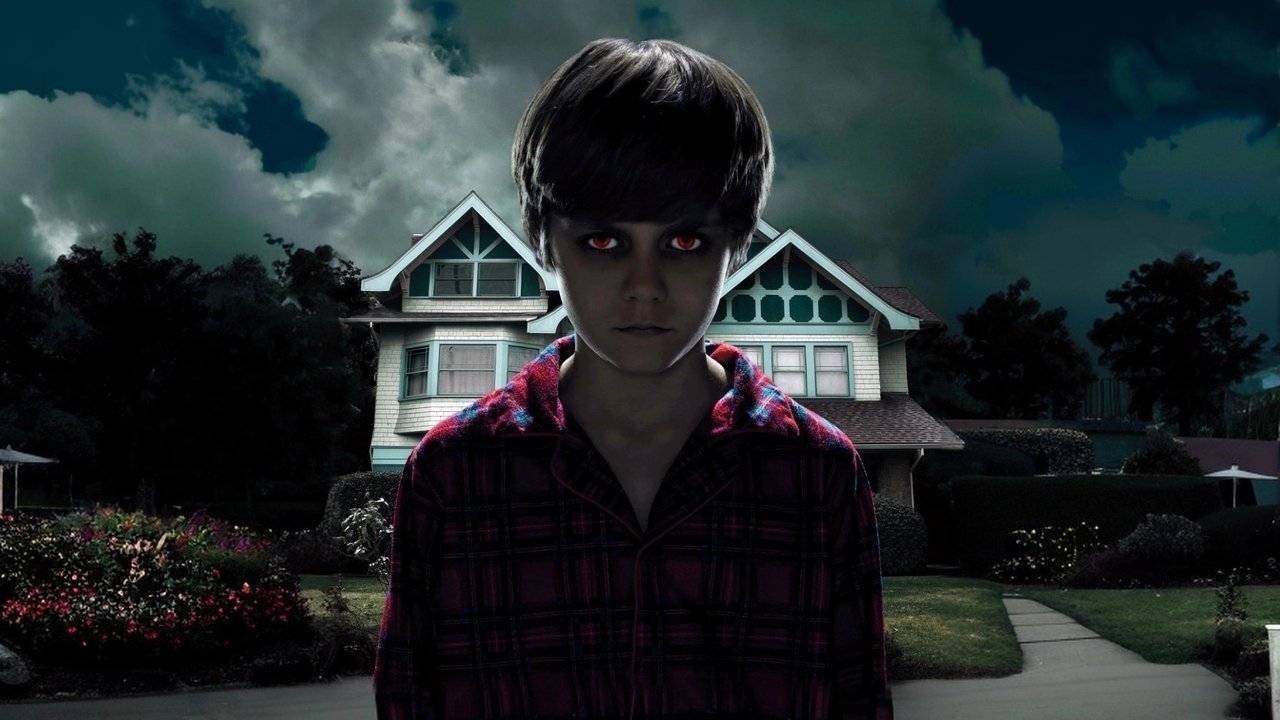

Una familia descubre que los espíritus oscuros han invadido su hogar después de que su hijo inexplicablemente cae en un sueño sin fin. Cuando llegan a un profesional para obtener ayuda, aprenden que las cosas son mucho más personales de lo que pensaban.
Reparto

Patrick Wilson
Josh Lambert

Rose Byrne
Renai Lambert

Lin Shaye
Elise Rainier

Ty Simpkins
Dalton Lambert

Barbara Hershey
Lorraine Lambert

Leigh Whannell
Specs

Angus Sampson
Tucker

Andrew Astor
Foster Lambert

Corbett Tuck
Nurse Adele / Doll Girl #2

Heather Tocquigny
Nurse Kelly

Ruben Pla
Dr. Sercarz

John Henry Binder
Father Martin

Joseph Bishara
Lipstick-Face Demon

Philip Friedman
Old Woman
Dónde ver
Suscripción
 Lionsgate+ Amazon Channel
Alquiler
 Rakuten TV
 Amazon Video
Compra
Rakuten TVAmazon VideoFicha técnica
- Título original
- Insidious
- Idiomas
- English
- Países
- Canada, United States of America
- Productoras
- Alliance Films| IM Global| Haunted Movies| FilmDistrict
- Presupuesto
- USD 1,500,000
- Recaudación
- USD 100,106,454
Cifras en dólares, según TMDb.
Críticas
(CASTELLANO) La casa parece normal hasta que deja de serlo. Ese cambio progresivo, casi imperceptible, es una de las grandes virtudes de Insidious: no necesita empezar lanzando monstruos a la pantalla, porque primero consigue que cada pasillo, cada escalera y cada habitación se conviertan en lugares donde uno espera que algo aparezca. James Wan entiende muy bien cómo funciona el miedo anticipado. Muchas veces no da miedo lo que aparece, sino precisamente lo que todavía no ves. Una habitación vacía, un ruido que parece venir de otra parte o una figura que quizá esté ahí, al fondo, bastan para que empieces a mirar toda la pantalla buscando algo. Y esa espera, cuando está bien medida, puede resultar mucho más inquietante que cualquier susto repentino. Y conmigo funciona de verdad. Hubo momentos en los que noté el corazón acelerado y varias escenas con presencias alrededor de la familia me pusieron literalmente los pelos de punta. Ese tipo de reacción física es exactamente lo que busco en una película de terror: no limitarme a reconocer que una escena está bien construida, sino sentir que el cuerpo responde antes que la cabeza. La casa ayuda muchísimo. Tiene ese aspecto de gran vivienda familiar antigua, con escaleras, madera, habitaciones amplias y rincones que parecen demasiado profundos. Incluso me recordó por momentos a la casa de Embrujadas, aunque aquí todo está fotografiado para convertir lo familiar en algo amenazante. Cuanto más reconocible parece el espacio, más inquietante resulta cuando deja de sentirse seguro. Otro gran acierto es que la película no se apoya en la sangre. Wan juega con apariciones, figuras inmóviles, sombras, sonidos y composiciones del plano. Algunos espíritus simplemente están ahí, quietos, observando, y eso me parece mucho más perturbador que cualquier criatura que corra hacia cámara. La sensación de que la familia está rodeada de presencias que ocupan su propio hogar genera una invasión total. Lin Shaye es fundamental. Elise Rainier cumple dentro de Insidious una función parecida a la de los Warren en The Conjuring: llega cuando nadie entiende qué está ocurriendo, sabe leer lo paranormal y aporta la sensación de que por fin ha entrado alguien capaz de enfrentarse a aquello. Pero tiene una personalidad propia, más cercana a la médium y a la parapsicóloga clásica, con algo de la Tangina de Poltergeist. Shaye tiene además ese rostro de actriz de carácter que parece haber nacido para el género. Puede resultar inquietante en otros papeles, pero aquí consigue exactamente lo contrario: cuando aparece, transmite confianza. En medio de una película donde cada habitación parece esconder algo, su presencia proporciona una especie de orden. Patrick Wilson también funciona muy bien como eje humano. Tiene esa cualidad de actor que hace creíble la vida cotidiana antes de que lo sobrenatural la rompa. Rose Byrne aporta la vulnerabilidad y el agotamiento necesarios sin convertir el miedo en histeria constante. La familia resulta suficientemente cercana como para que la amenaza importe. La película también posee una personalidad extraña que me gusta mucho. A medida que se adentra en terrenos más abiertamente fantásticos, se vuelve más excéntrica, casi como una pesadilla que mezcla terror clásico, casas encantadas, espiritismo y una imaginería muy particular. No todo es igual de elegante, y entiendo que para algunos espectadores ese cambio pueda resultar excesivo. Ahí está su principal debilidad. Cuando trabaja con insinuación, espacios y sonidos es más precisa; al mostrar más y expandir sus reglas, pierde parte del misterio. Cuanto más concreto se vuelve el horror, menos espacio queda para que la imaginación haga el trabajo. Aun así, incluso en sus momentos más aparatosos mantiene una energía visual que la distingue de muchas películas del género. Wan no parece interesado simplemente en encadenar sustos, sino en construir un pequeño universo de pesadilla con sus propias imágenes, sonidos y reglas. También agradezco el humor puntual de los ayudantes de Elise. Sirve para liberar un poco la tensión sin destruirla. Esa combinación de horror serio con personajes algo excéntricos evita que la película se vuelva monótona. Insidious mezcla materiales muy reconocibles y no pretende ocultarlo. Hay ecos de Poltergeist, del cine de casas encantadas y de décadas de relatos sobre médiums y presencias. Pero coger elementos conocidos no equivale a utilizarlos mal. Wan los reorganiza con suficiente personalidad como para que la película tenga identidad propia. Lo importante, al final, es sencillo: me ha asustado. No de una forma intelectual ni porque admire únicamente su técnica, sino con esa reacción inmediata del corazón que se acelera y la piel que se eriza. Puede volverse más irregular cuando abandona la sugestión, pero durante buena parte del metraje consigue algo mucho más difícil que inventar un monstruo nuevo: hacer que mires una habitación aparentemente vacía y desees que siga estándolo. (ENGLISH) A house can look perfectly normal until, little by little, it stops feeling that way. That gradual shift is one of Insidious’s greatest strengths: it does not need to begin by throwing monsters at the screen, because first it turns every hallway, staircase and room into a place where you expect something to appear. James Wan understands anticipatory fear extremely well. Often, what frightens us is not what appears but what we still cannot see. An empty room, a noise that seems to come from somewhere else or a figure that may be standing in the background is enough to make you start searching the entire screen. And when that waiting is properly measured, it can be far more unsettling than any sudden scare. And it genuinely works on me. There were moments when I could feel my heart racing, and several scenes involving presences around the family literally gave me goosebumps. That kind of physical reaction is exactly what I want from a horror film: not merely recognizing that a scene is well made, but feeling my body respond before my mind does. The house helps enormously. It has the look of a large, old family home, with wooden stairs, wide rooms and corners that seem a little too deep. At times it even reminded me of the house from Charmed, although here everything is photographed to turn the familiar into something threatening. The more recognizable the space feels, the more disturbing it becomes when it stops feeling safe. Another major strength is that the film does not depend on blood. Wan plays with apparitions, motionless figures, shadows, sound and framing. Some spirits are simply there, standing still and watching, and I find that far more disturbing than any creature running toward the camera. The sense that the family is surrounded by presences occupying their own home creates a feeling of total invasion. Lin Shaye is essential. Elise Rainier fulfills a role within Insidious somewhat similar to the Warrens in The Conjuring: she arrives when nobody understands what is happening, knows how to read the paranormal and gives the feeling that someone capable has finally entered the situation. But she has a personality of her own, closer to the classic medium and parapsychologist, with a little of Tangina from Poltergeist. Shaye also has that unmistakable character-actor face that seems made for the genre. In other roles she can be unsettling, but here she achieves almost the opposite: when she appears, she brings reassurance. In a movie where every room seems capable of hiding something, her presence creates a kind of order. Patrick Wilson also works very well as the human anchor. He has that quality of making ordinary family life believable before the supernatural starts breaking it apart. Rose Byrne brings vulnerability and exhaustion without turning fear into constant hysteria. The family feels close enough for the danger to matter. The film also has a strange personality that I really like. As it moves into more openly fantastical territory, it becomes more eccentric, almost like a nightmare mixing classical horror, haunted houses, spiritualism and a very particular visual imagination. Not all of it is equally elegant, and I understand why that shift can feel excessive to some viewers. That is also its main weakness. The first half feels more precise because it works through suggestion, space and sound. Once the film decides to show more and expand its rules, some of the mystery disappears. The more concrete the horror becomes, the less room there is for the imagination to do the work. Even so, its more elaborate moments still have a visual energy that separates it from many genre films. Wan does not seem interested in merely linking one scare to another, but in building a small nightmare universe with its own images, sounds and rules. I also appreciate the occasional humor from Elise’s assistants. It releases some tension without destroying it. That combination of serious horror and slightly eccentric characters keeps the film from becoming monotonous. Insidious uses very familiar materials and never pretends otherwise. There are echoes of Poltergeist, haunted-house cinema and decades of stories about mediums and supernatural presences. But using familiar elements is not the same as using them badly. Wan rearranges them with enough personality to give the film a distinctive identity. What matters most is simple: it scared me. Not in an intellectual way, and not only because I admire the technique, but through that immediate physical response of a racing heart and skin prickling. It becomes more uneven when it leaves suggestion behind, but for much of its running time it achieves something far harder than inventing a new monster: making you stare into an apparently empty room and hope it stays empty.
Recomendadas

La noche del demonio: Capítulo 2
2013 · Película

La noche del demonio: Capítulo 3
2015 · Película

La noche del demonio: La última llave
2018 · Película

Actividad Paranormal 2
2010 · Película

La noche del demonio: La puerta roja
2023 · Película

Presencias Inexplicables
2020 · Película

The Evil
1978 · Película

Carretera Forestal
2025 · Película

El Conjuro
2013 · Película

Actividad Paranormal
2009 · Película

13 fantasmas
2001 · Película

No te sueltes
2024 · Película

Juegos diabólicos
1982 · Película
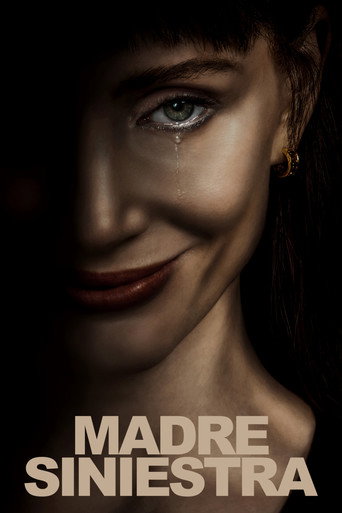
Madre siniestra
2026 · Película
Similares

The Severed Sun
2025 · Película

La chambre froide
— · Película

OUIJA
2025 · Película

El granero Parte 2
2022 · Película

Jessicarved
2022 · Película

El Sexto Sentido
1999 · Película

007: Vive y deja morir
1973 · Película

Mama Minta Hotspot
2024 · Película

Pesadilla en la calle del infierno
1984 · Película

Kill Bill: Vol. 2
2004 · Película

The Hole
2001 · Película

Pumpkin Patch
2025 · Película

The Investigation: A Haunting in Sherwood
2020 · Película
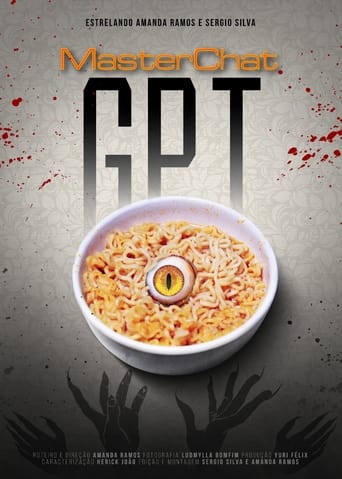
MasterChat GPT
2024 · Película