
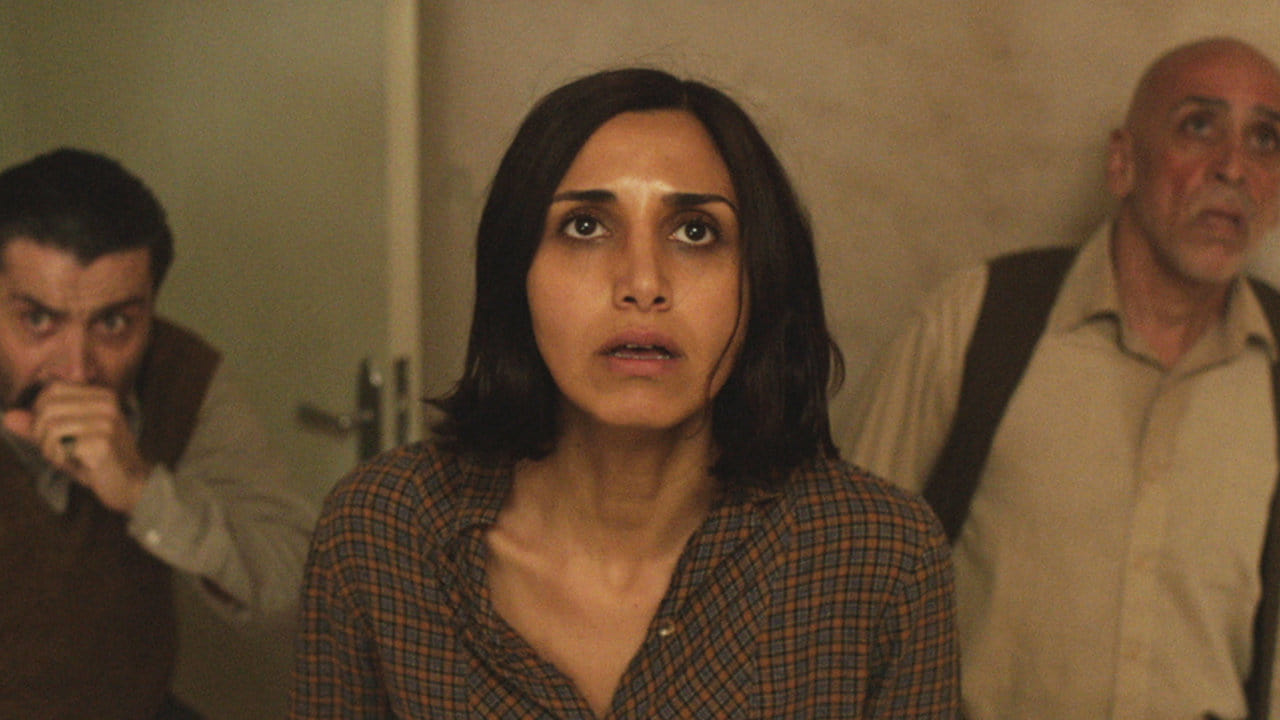

Reparto

نرگس رشیدی
Shideh

اوین منشادی
Dorsa
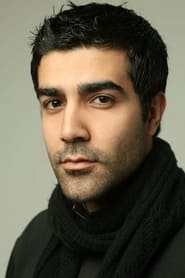
Bobby Naderi
Iraj

Ray Haratian
Mr. Ebrahimi
حمید دجاوادان
Mr. Fakur

Bijan Daneshmand
Director

Behi Djanati Atai
Pargol
آرام قاسمی
Mrs. Ebrahimi
سوسان فرروخنیا
Mrs. Fakur

آرش مرندی
Dr. Reza
Nabil Koni
Mr. Bijari

Sajjad Delafrooz
Secretary
Houshang Ranjbar
Police Officer
Amir Ranjbar
Young Soldier
Dónde ver
Suscripción
 Netflix
 Netflix Standard with Ads
Alquiler
 Apple TV Store
Compra
Apple TV StoreFicha técnica
- Título original
- زیر سایه
- Idiomas
- فارسی
- Países
- Jordan, United Kingdom
- Productoras
- Wigwam Films| Creativity Capital| MENA Film
Críticas
(CASTELLANO) Lo primero que funciona en Bajo la sombra es la sensación de encierro. No solo por el apartamento, sino por todo lo que rodea a Shideh y a su hija: la guerra, los bombardeos, las restricciones sociales y una ciudad donde incluso salir a la calle puede convertirse en otro problema. Antes de que aparezca nada sobrenatural, la película ya ha conseguido que el ambiente resulte incómodo. Babak Anvari sitúa la historia en Teherán durante la guerra Irán-Irak y aprovecha ese contexto con mucha inteligencia. El terror no llega desde un lugar separado del mundo real; aparece dentro de una vida que ya está llena de miedo. Las sirenas, los ataques, los vecinos que abandonan el edificio y la amenaza constante de que un misil lo atraviese construyen una tensión que no necesita fantasmas para funcionar. Cuando empiezan las apariciones, la película cambia sin abandonar esa opresión. Las voces, los movimientos dentro de la casa, la sensación de que algo entra y sale cuando quiere y la obsesión de la niña con su muñeca convierten el apartamento en un espacio cada vez más hostil. Me produjo bastante angustia precisamente porque la presencia sobrenatural nunca parece someterse a reglas claras. No hay una habitación segura ni un lugar desde el que observar el peligro con distancia. La relación entre madre e hija es fundamental. Shideh está agotada, enfadada y cada vez más obsesionada con entender lo que ocurre, mientras Dorsa empieza a encerrarse en sus propios miedos y a distanciarse de ella. La película aprovecha esa fractura para que el terror no sea únicamente externo: cuanto peor se entienden, más vulnerable parece hacerse también la casa. Narges Rashidi sostiene muy bien el peso de la película. Shideh no es una madre idealizada, sino una mujer frustrada por las limitaciones que le impone su entorno, resentida por oportunidades perdidas y obligada a mantener el control mientras todo parece desmoronarse. También me gusta que el contexto político no sea simple decoración. Las restricciones que afectan a Shideh, especialmente por ser mujer, forman parte de la misma sensación de encierro que después utiliza el terror. Fuera existe una sociedad que la vigila y limita; dentro hay una presencia que invade su hogar. Entre ambos espacios apenas queda posibilidad de escapar. Ahí está una de las mejores ideas de la película: la casa debería ser el único lugar seguro en medio de una guerra, pero termina convirtiéndose en otra amenaza. Cuando cae la noche y empiezan las voces, las figuras y las apariciones, la sensación es que tampoco allí pueden protegerse. El terror funciona mejor cuando Anvari sugiere más de lo que muestra. Una silueta, un ruido, una tela moviéndose o una presencia apenas visible pueden resultar mucho más inquietantes que una criatura expuesta completamente. No me parece, sin embargo, una película completamente redonda. El desarrollo es pausado y algunas partes tardan demasiado en avanzar. Hay escenas de tensión muy buenas, pero también momentos en los que la atmósfera pesa más que lo que realmente está ocurriendo. Y aunque el tramo final mantiene la angustia, no terminó de golpearme con la misma fuerza que otras películas de terror psicológico. Aun así, tiene personalidad, una ambientación poco habitual y varias imágenes realmente inquietantes. No necesita una gran cantidad de sangre ni una sucesión constante de sustos para provocar miedo. Bajo la sombra me ha gustado. No me ha parecido extraordinaria, pero sí una película de terror inteligente, opresiva y muy bien ambientada. (ENGLISH) The first thing Under the Shadow does well is create a feeling of confinement. Not only because of the apartment itself, but because of everything surrounding Shideh and her daughter: war, air raids, social restrictions and a city where even stepping outside can become another source of danger. Before anything supernatural appears, the film has already made its world uncomfortable. Babak Anvari sets the story in Tehran during the Iran-Iraq War and uses that context intelligently. The horror does not arrive from somewhere separate from reality; it emerges inside a life already saturated with fear. Sirens, attacks, neighbours abandoning the building and the constant possibility of a missile striking it create tension without requiring a ghost. Once the apparitions begin, the film changes without losing that oppressive atmosphere. Voices, movement inside the house, the sense that something can come and go whenever it wants, and the child's obsession with her doll gradually turn the apartment into hostile territory. I found it genuinely unsettling because the supernatural presence never seems governed by clear rules. The mother-daughter relationship is essential. Shideh becomes increasingly exhausted, angry and obsessed with understanding what is happening, while Dorsa retreats into her own fears and begins to distance herself from her mother. The film uses that fracture cleverly: the more strained their relationship becomes, the more vulnerable the house itself seems. Narges Rashidi carries the film extremely well. Shideh is not written as an idealised mother but as a woman frustrated by the limitations imposed on her, bitter about lost opportunities and forced to maintain control while everything around her begins to collapse. I also like that the political context is not decorative. The restrictions imposed on Shideh, particularly as a woman, are part of the same feeling of entrapment later used by the horror. Outside, society watches and limits her; inside, an unseen presence invades her home. Between the two, there is almost nowhere to escape. That is one of the film's strongest ideas. The apartment should be the only safe place in the middle of a war, yet it gradually becomes another threat. Once night falls and the voices, figures and apparitions begin, the feeling is that there is no protection anywhere. The horror works best when Anvari suggests rather than shows. A silhouette, a sound, a moving piece of fabric or a barely visible presence can be far more disturbing than a creature fully exposed. I do not think it is completely successful, however. The pacing is slow and some sections take too long to move forward. There are excellent moments of tension, but also stretches where atmosphere carries more weight than the events themselves. And although the final section remains oppressive, it did not hit me as strongly as some other psychological horror films. Even so, the film has identity, an unusual setting and several genuinely disturbing images. It does not need excessive violence or a constant stream of scares to create fear. I liked Under the Shadow. I would not call it exceptional, but it is an intelligent, oppressive and strongly atmospheric horror film.
Recomendadas

Invocación
2025 · Película

La casa del fin de los tiempos
2013 · Película

Su casa
2020 · Película

Aguanta la respiración
2024 · Película

Bunker
2023 · Película
No dejes a los niños solos
2026 · Película
Buen chico
2026 · Película

Menéndez: el día del Señor
2020 · Película

Huesera
2023 · Película

Strait-Jacket
1964 · Película

Las horas pasadas
2017 · Película

Mārama
2026 · Película

The Eyes of My Mother
2016 · Película

Baby Blues
2008 · Película
Similares

Snuff
1976 · Película

Safe Passage
1994 · Película

The Daytrippers
1997 · Película

麦秋
1951 · Película

Fallen
2006 · Película

İblis
2020 · Película

Somos lo que hay
2010 · Película

Zapomenuté světlo
1996 · Película

Vinterveien
1993 · Película

El largo día acaba
1992 · Película

¿Dónde está la casa de mi amigo?
1987 · Película

Tyson
1995 · Película

Damned by Dawn
2009 · Película

De pura raza
1991 · Película