


Stevie, un chico de 13 años que vive en el Los Ángeles de los años 90, pasa el verano lidiando con los problemas de su vida doméstica y divirtiéndose con su nuevo grupo de amigos, que ha conocido en una tienda de skate.
Reparto

Sunny Suljic
Stevie

Katherine Waterston
Dabney

Lucas Hedges
Ian

Na-kel Smith
Ray

Olan Prenatt
Fuckshit

Gio Galicia
Ruben

Ryder McLaughlin
Fourth Grade

Alexa Demie
Estee
Fig Camila Abner
Angela

Liana Perlich
Teresa
Ama Elsesser
Zoe
Judah Estrella Borunda
Sam
Mecca Allen
Sara

Aramis Hudson
Skate Shop Customer
Dónde ver
Suscripción
 Movistar Plus+ Ficción Total
 HBO Max
 HBO Max Amazon Channel
 Diamond Films Plus Amazon Channel
Alquiler
 Apple TV Store
 Rakuten TV
 Amazon Video
Compra
Apple TV StoreRakuten TVAmazon VideoFicha técnica
- Título original
- mid90s
- Idiomas
- English
- Países
- United States of America
- Productoras
- A24| Waypoint Entertainment
- Presupuesto
- USD 1,700,000
- Recaudación
- USD 9,303,022
Cifras en dólares, según TMDb.
Críticas
(CASTELLANO) Aquellos días que solo después entendemos que eran importantes Hay algo especialmente auténtico en la forma en que Jonah Hill observa a estos chavales. No intenta convertir su adolescencia en una época maravillosa ni construir una postal idealizada de los noventa. Hay amistad, skate, música y libertad, pero también violencia, humillaciones, alcohol, necesidad desesperada de pertenecer y decisiones bastante estúpidas. Precisamente por eso En los 90 termina funcionando como recuerdo: porque los buenos momentos y los malos aparecen mezclados, como suelen hacerlo cuando pensamos en nuestra propia adolescencia. Es inevitable que recuerde a Kids. La manera de seguir a los chicos por las calles, escuchar conversaciones que parecen surgir espontáneamente y observar comportamientos sin explicarlos demasiado conecta claramente con aquel cine de Larry Clark y Harmony Korine. Pero Jonah Hill es bastante menos nihilista. Aquí hay oscuridad y situaciones muy duras, aunque siempre queda debajo cierta ternura hacia los personajes. Sunny Suljic transmite perfectamente la vulnerabilidad y la necesidad de pertenecer de Stevie. Los demás también tienen esa mezcla de crueldad, compañerismo, inseguridad y pose que resulta reconocible. La película entiende además muy bien la sensación adolescente de ser invulnerable: beben, se golpean y hacen estupideces sin pensar seriamente en sus consecuencias, hasta que algunas empiezan a ser demasiado reales. La música es magnífica y el formato de imagen, el grano y la fotografía de Christopher Blauvelt hacen que todo parezca provenir de una cinta encontrada años después. No se limita a reconstruir los noventa; intenta recuperar la textura de recordarlos. Y el final es probablemente lo mejor. Fourth Grade reúne las imágenes que ha grabado durante aquellos días y las convierte en un pequeño vídeo. No hace falta saber qué será de todos ellos. Verlos reír, patinar y hacer el idiota basta para transformar de repente todo lo vivido en recuerdo. Ese cierre resume perfectamente la película. Crecer también consiste en descubrir, casi siempre demasiado tarde, que determinados días aparentemente normales acabarán siendo algunos de los que recordaremos durante toda la vida. Áspera, imperfecta y por momentos triste, pero también cálida, auténtica y profundamente nostálgica. (ENGLISH) The days we only realize mattered once they are gone There is something remarkably authentic in the way Jonah Hill observes these kids. He does not turn adolescence into a wonderful period or create an idealized postcard of the nineties. There is friendship, skateboarding, music and freedom, but also violence, humiliation, alcohol, a desperate need to belong and some incredibly stupid decisions. That is precisely why Mid90s ultimately works as a memory: the good moments and the bad ones are mixed together, just as they usually are when we look back on our own adolescence. It inevitably brings Kids to mind. The way the film follows the boys through the streets, listens to conversations that seem almost spontaneous and observes their behaviour without constantly explaining it connects clearly with the cinema of Larry Clark and Harmony Korine. But Jonah Hill is far less nihilistic. There is darkness here and some genuinely harsh situations, yet underneath it all remains a certain tenderness towards the characters. Sunny Suljic perfectly captures Stevie's vulnerability and desperate need to belong. The others also have that recognizable mixture of cruelty, loyalty, insecurity and posturing. The film understands the teenage feeling of being indestructible as well: they drink, fight and do stupid things without seriously considering the consequences, until some of those consequences become frighteningly real. The music is excellent, while the aspect ratio, grain and Christopher Blauvelt's cinematography make everything feel as though it came from a tape discovered years later. The film does not simply reconstruct the nineties; it tries to recreate the texture of remembering them. And the ending is probably its finest moment. Fourth Grade gathers the footage he has been shooting and turns it into a small film about those days. We do not need to know what eventually happens to everyone. Watching them laugh, skate and mess around is enough to transform everything we have just seen into memory. That ending perfectly captures what the film is doing. Growing up also means realizing, usually too late, that some apparently ordinary days will become the ones we remember for the rest of our lives. Rough, imperfect and sometimes sad, but also warm, authentic and deeply nostalgic.
Recomendadas
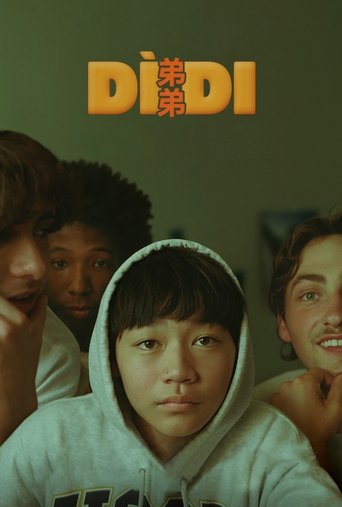
Dìdi (弟弟)
2024 · Película

Skate Kitchen
2018 · Película

Thrashin'
1986 · Película

Los Amos de Dogtown
2005 · Película

Los dueños de la calle
1991 · Película
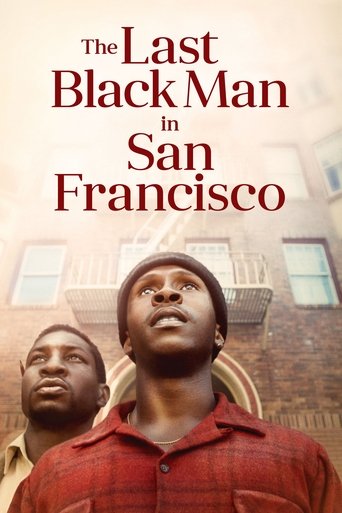
The Last Black Man in San Francisco
2019 · Película

Yo, Tonya
2017 · Película

The Wild Life
1984 · Película

Tan genial como yo
2013 · Película

Las mujeres verdaderas tienen curvas
2002 · Película

La Noche De Las Nerds
2019 · Película

Over the Edge
1979 · Película

Totally F***ed Up
1994 · Película

Pete Davidson: Turbo Fonzarelli
2024 · Película
Similares

Miguel quiere pelear
2023 · Película

Skønheden og udyret
1983 · Película

プラトニック・セックス
2001 · Película

Modern Girls
1986 · Película
The Wild Life
1984 · Película

Seven Minutes in Heaven
1986 · Película

Devon
2024 · Película
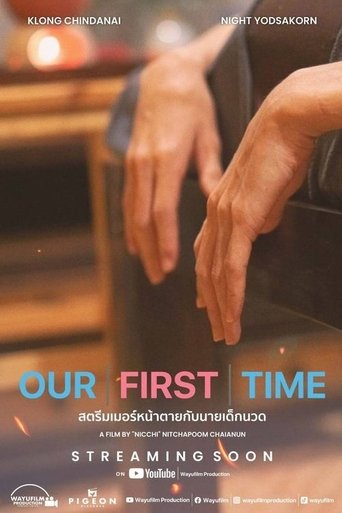
สตรีมเมอร์หน้าตายกับนายเด็กนวด
2023 · Película

The Conrad Boys
2006 · Película

Ada Apa dengan Cinta?
2002 · Película
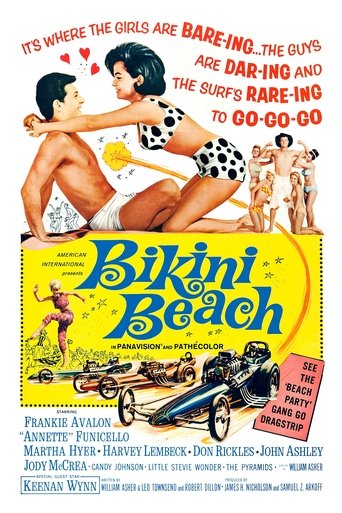
Bikini Beach
1964 · Película

In My Life
2009 · Película

TEMPOS
2021 · Película

The Circus Lion
— · Película